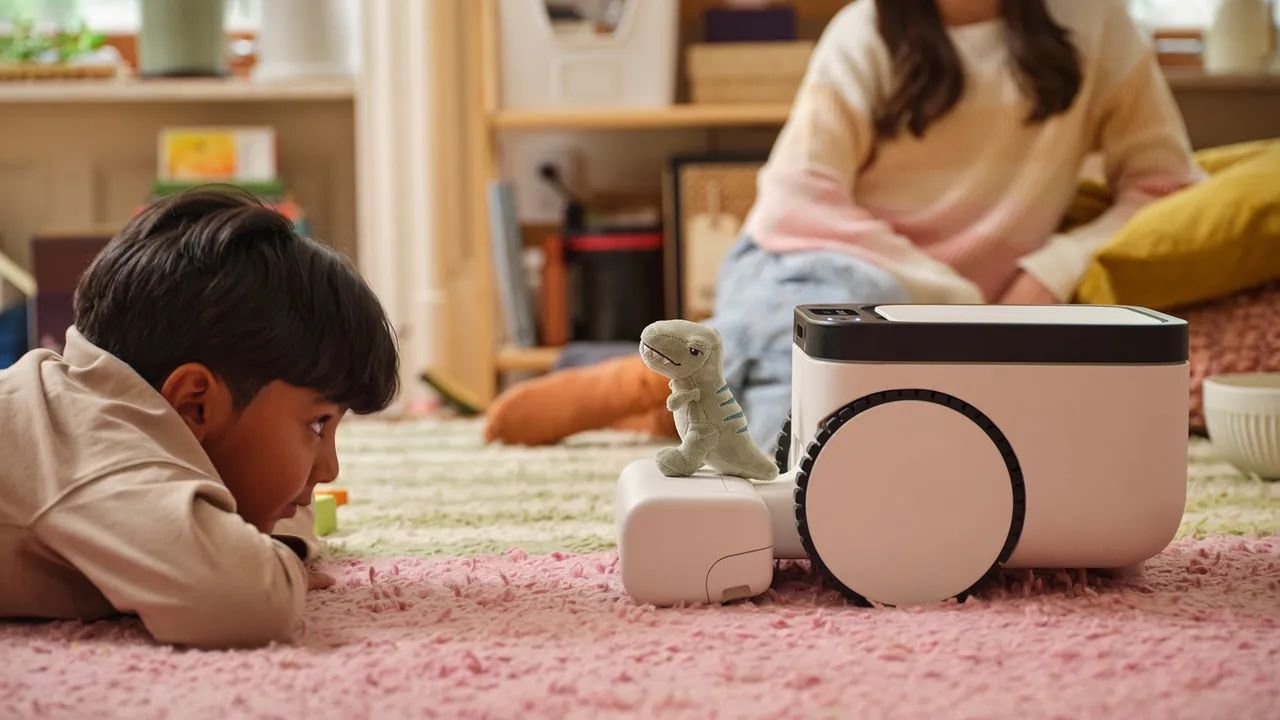
Matic Robot Vacuum Gets Voice Control Amid Chinese Ban
Weeks before IFA 2026 begins, significant drama is unfolding in the consumer tech industry. It all started with the Trump administration’s ban on “advanced robotic devices” in the US market. The restriction primarily targeted humanoid and four-legged robots. However, as noted by The Verge, the ban also extends to everyday products like robot vacuum cleaners, pool cleaners, window-cleaning robots, and lawn mowers.
As reported by Forbes, the FCC cited “national security and privacy risks” as the reason behind the ban. The FCC spokesperson told CNET that the problem lies with the cameras and sensors these devices come equipped with, noting that some units even have microphones built into their base stations to enable voice commands.
Just when it seemed the story had reached its conclusion, one of the few popular US-based vacuum cleaner manufacturers, Matic, used that opening to announce its biggest update yet. First reported by Bloomberg, Matic announced a major software update called Matic Cues that adds advanced voice and gesture control to its robot vacuum and mop. To put that into context, one can point a finger towards an area that needs to be cleaned or say “Hey Matic, please clean the living room”, and the robot vacuum will do the required.
The vacuum relies on five onboard cameras instead of the lidar sensors most competitors use. 9to5Mac tested the feature ahead of launch and called the voice control “really good,” noting that Matic Cues understands commands in more than 70 languages. The update reaches existing owners over the air, no new hardware required.
Not everything happens on the device, though. Gizmodo reported that the natural language processing behind the voice commands runs through Google Gemini in the cloud, while obstacle avoidance and gesture recognition stay local. As for now, there are no new hardware changes accompanying this specific software release. That said, the robot and the dock cost $1,245, well above what most foreign-made competitors charge for similar specs.
What’s interesting here is that the FCC regulations don’t apply to Matic, given the fact that the hardware and technology embedded inside are all designed and assembled in the United States. However, among robot vacuums that lead the US market, the overwhelming majority are manufactured in China. In fact, the entire top five, Roborock, Ecovacs, Dreame, Xiaomi, and Narwal, are all Chinese companies.
While the FCC maintains that the rule applies universally and denies targeting Chinese manufacturers, Wired reported that its impact lands almost exclusively on Chinese firms, simply because that’s where the bulk of robot vacuum manufacturing currently takes place. “The FCC might frame this as a national security and privacy issue; the other side of the story is Trump’s ‘Made in America’ and ‘Owned by America’ agenda that has driven the move,” a source within Roborock tells me. At the time of writing, I await comments from other Chinese manufacturers.
So, does that make the vacuum cleaner in your home obsolete? Not at all. My source at CTA (Consumer Technology Association) tells me that nothing changes for vacuums already sitting in American living rooms. The ban only touches new equipment authorizations, not devices already purchased, FCC-approved, or already on store shelves.
What makes this ban significant is the shift companies are making from AI-powered devices toward embodied AI. Earlier, IFA CEO Leif Lindner confirmed in an interview with me that embodied AI will be the biggest trend at this year’s IFA. It’s unclear whether any of this year’s lineup will even make it to the US market.
But for robot vacuum manufacturers with US-based production, the news works in their favor. Don’t be surprised to see a string of new American robovac companies exhibiting at IFA, looking to carry that momentum into CES. For now, Matic has played its cards right. Whether Matic Cues is enough to pull people away from Chinese brands and toward US-made alternatives remains to be seen.