Gen Z Seeks to Optimize Sleep and Is Willing to Pay for ‘SleepMaxxing’
Nick Smart is always searching for ways to improve his overall wellness.
When the 29-year-old College Station, Texas, man discovered a cooling mattress topper could regulate body temperature, he thought it would be perfect for him and his wife to catch up on sleep while caring for their 11-week-old son, Emmett.
“This could really help us get better sleep, deeper sleep,” Smart said.
Smart isn’t alone. Generation Z — those born between 1997 and 2012 — sleeps more than any other generation, a 2024 survey showed. And some Gen Zers and millennials are shelling out big bucks on sleep aids and supplements to meet their personal health goals, according to new data from Truemed, an online marketplace that lets consumers spend health savings account and flexible spending account funds on eligible items.
Truemed’s analysis of more than 1 million HSA and FSA orders from January 2025 through May 2026 showed Gen Z spent more on sleep-related products than on all other categories except supplements.
Smart has previously used his HSA to buy wellness-related items, including a red-light therapy device to recover from a torn pectoral muscle. He credited the device with accelerating his recovery.
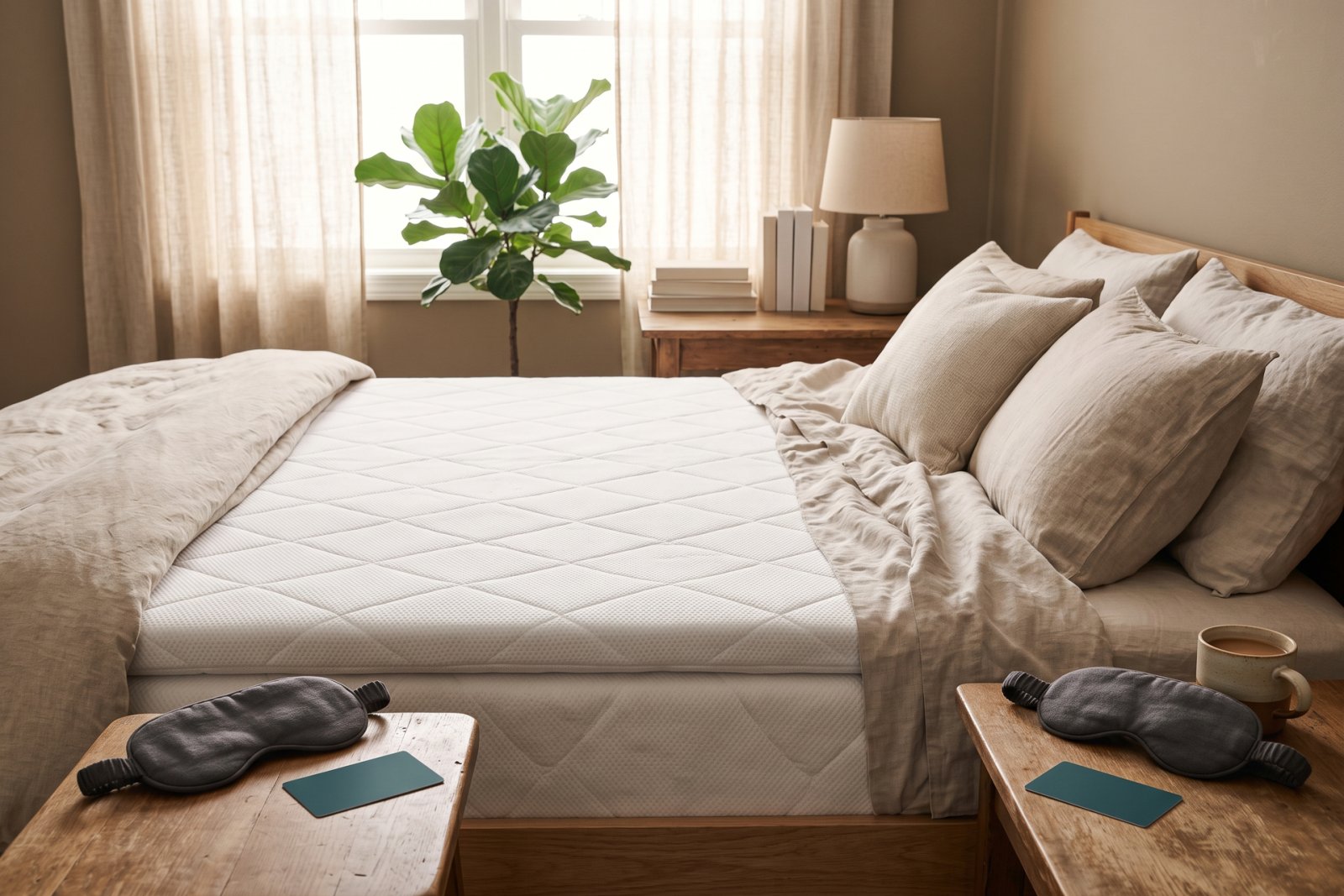
When Smart and his wife struggled to get adequate sleep following the birth of their son earlier this year, he searched for sleep-related products and discovered a cooling mattress topper that cost about $2,400. The topper measures a user’s breathing and heart rate and adjusts the temperature through the night.
He said the topper has helped his wife stay cool during occasional postpartum hot flashes.
He might not have bought the topper if he had to spend money budgeted for daily living expenses. But because he accumulated enough in his HSA through corporate jobs at Chevron and an artificial intelligence oil and gas startup, he figured, why not use those dollars on a product that qualified as an eligible HSA expense?
“There’s a whole movement in how can I get the best sleep possible,” said Smart, referring to a viral trend called SleepMaxxing on social media. “I want to wake up and feel refreshed, not feel like garbage trying to play catch up all day long.”
Can You Use Your HSA to Buy Sleep or Wellness Products?
Because younger adults often grapple with cost-of-living pressures, many are turning to HSAs to pay for care or purchase products intended to bolster their health.
HSAs are commonly used by workers who get health insurance through an employer. As of mid-2025, a national survey showed U.S. consumers had 40 million HSAs with $159 billion in deposits, a 16% increase from a year earlier.
The accounts are especially popular among younger generations who entered the workforce as high-deductible insurance plans became common. About 55% of Gen Z adults and millennials have HSAs, according to HealthEquity’s healthcare affordability pulse report.
HSAs can save consumers on taxes in three ways. Consumers can accumulate HSA balances through payroll deductions and employer contributions before income taxes. They can invest HSA funds to accumulate tax-free gains. When they withdraw funds, the proceeds are tax-free if used for qualified health expenses.
The Internal Revenue Service details what counts as a qualified expense. Consumers can generally use HSA balances for medical care such as doctor and hospital visits, prescription medications, dental and vision care, menstrual products, mental health services, and medical equipment and supplies, according to Fran Scott, HealthEquity’s director of compliance.
If consumers want to use HSA balances on exercise equipment, nutrition, or items such as sleep aids, they might need a letter of medical necessity from a doctor before making a purchase. Nutritional supplements might not be eligible unless recommended by a medical practitioner as treatment for a diagnosed medical condition, according to Scott.
Before making a purchase, HealthEquity recommends consumers confirm that a service or product is HSA-eligible as detailed by the IRS or through a letter of medical necessity from a doctor.
What Experts Think About SleepMaxxing
While some products, such as a quality mattress, can help someone get a better night’s rest, sleep medicine experts caution against expecting immediate results from supplements or following trends pitched by social media influencers.
“You have influencers and others who are trying to provide medical information for clicks versus what’s been established and what’s been studied,” said Dr. David Kuhlmann, a sleep expert and spokesman for the American Academy of Sleep Medicine, or AASM.
One popular SleepMaxxing trend Kuhlmann doesn’t endorse is taping or placing an adhesive over the mouth to force breathing through the nose. While some smaller studies have explored mouth taping, there’s little evidence to suggest it should be standard practice to improve sleep.
Still, many Americans are looking for ways to get restful sleep. A recent AASM survey found 45% of adults said family responsibilities had a major or moderate impact on their ability to regularly sleep well. The survey said 39% cited job stress, 36% cited housing costs, and 35% cited work schedules as factors that impaired their ability to regularly sleep well.
One in three adults experiences excessive daytime sleepiness, which has been linked to cognitive impairment, work-related accidents, drowsy driving, and mental health concerns such as depression, according to the AASM.
Steps for More Restful Sleep
AASM recommends the following steps:
- Go to bed when you’re sleepy and wake up at the same time each day.
- Take 30 to 60 minutes before bed to decompress. That means avoiding screen time, work email, or stressful conversations.
- Exercise regularly or stay active to help ease stress, but avoid vigorous workouts right before bed.
- Eat a balanced diet with fruits and vegetables, grains, and protein.
AASM also recommends talking to a health care practitioner if your sleep is disrupted by stress, health problems, or constant worry.
“Sleep is something that you can’t just buy or get all your actionable information online,” Kuhlmann said. “If you have any questions, go to a good medical resource or an accredited sleep center.”
Reporting by Ken Alltucker, USA TODAY. USA TODAY Network via Reuters Connect.