Climate Change to Cost London Up to £36 Billion a Year by 2050s
Climate change could cost London as much as £36 billion ($50 billion) a year by the 2050s, the Mayor of London’s office said in a report.Lost working hours, disruption to businesses and damage to infrastructure caused by extreme weather in a warmer climate are likely to reduce the capital’s GDP over the coming decades, according to the report, published by the mayor and the city’s councils.
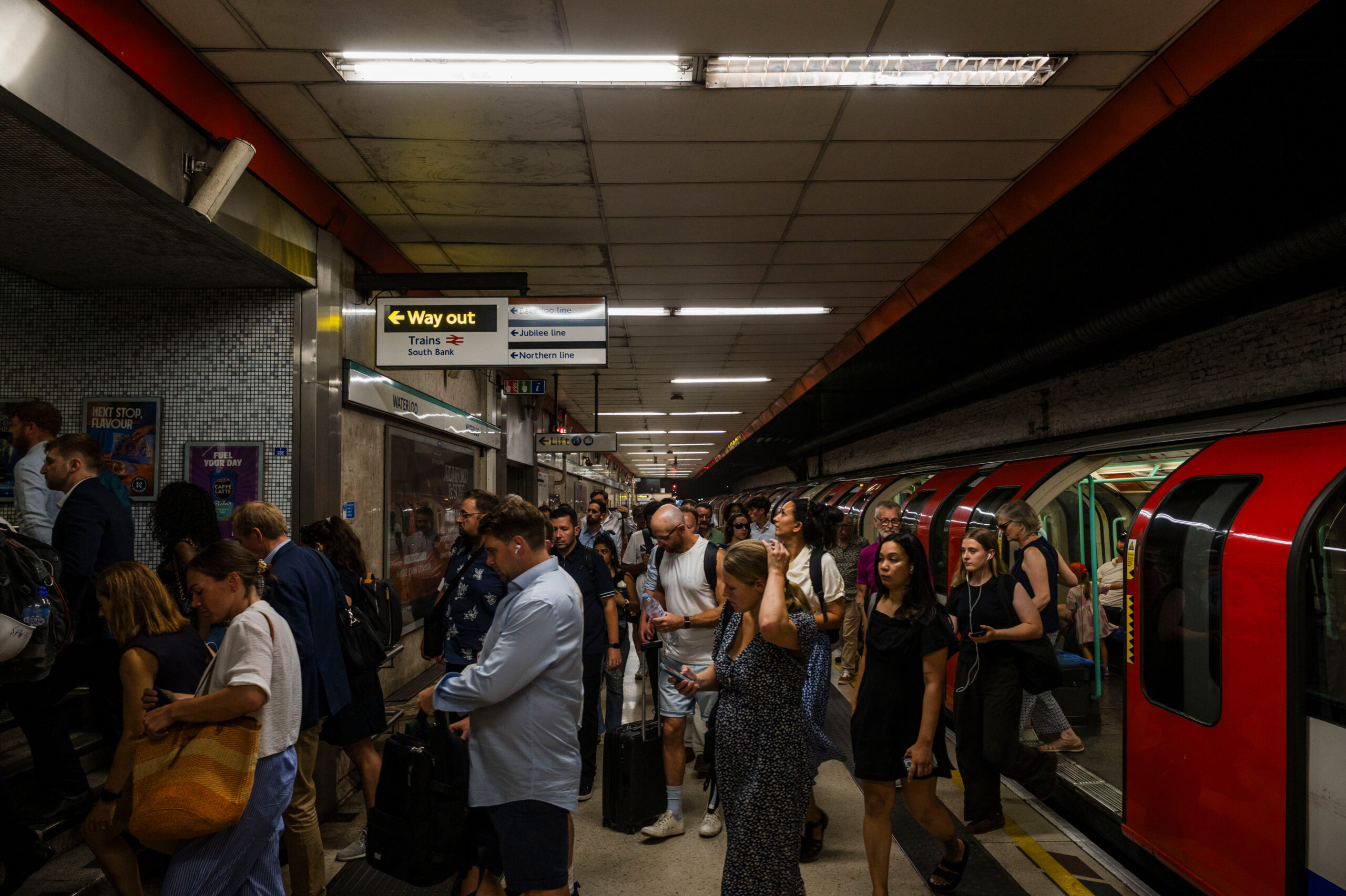
Businesses need to adapt to climate change, the report said, by adjusting working hours, allowing employees to work from home and relaxing dress codes and uniform rules. The city’s authorities will prioritize protecting and improving parks, advertising public cool spaces during hot weather and expanding access to public toilets and water, as well as adding shading to public spaces. The report also called on Transport for London, which operates the city’s underground train network, to add air conditioning to new tube trains and look for new ways to keep carriages and platforms cool.
Climate change “is already threatening Londoners’ lives, disrupting vital services and costing our economy hundreds of millions of pounds,” Sadiq Khan, the Mayor of London, said in a statement on Thursday. “We must create cooler homes and buildings, greener and shadier neighbourhoods, and infrastructure that can withstand a hotter climate.”
This summer, five successive heat waves and weeks without meaningful rain have put significant pressure on the UK’s public services, water systems and infrastructure. Hospitals have suffered overheating and large parts of the country are in drought. One heat wave this June cost the British economy £1.15 billion, research published in July found, as outdoor workers were forced to cut back their hours and the heat worsened health problems. Some of the highest temperatures have been felt in the capital, where urban streets and a naturally warmer, drier climate exacerbated the national trend.
Middle-aged Londoners are at greater risk of death from heat than people of the same age around the country, according to the report. Temperatures do not need to reach record levels to cause extra deaths – roughly 90% occur when temperatures are between 24C and 32C.
Rising temperatures affect businesses by disrupting transport services, reducing customer footfall and decreasing staff productivity, said John Dickie, chief executive officer of BusinessLDN, a nonprofit representing London-based businesses, responding to the report. “This new research underscores the vital role that investment in climate resilience plays in supporting London’s economy,” he said in a statement.
Homes and public buildings should also be retrofitted to help them better cope with heat, the report said. Modifying the most vulnerable homes is likely to cost between £9 billion and £45 billion, but would save as much as 1.8 times the cost through better productivity, health and sleep.
In 2022, when temperatures in the UK hit 40C for the first time, economic losses included buckled lines on railways, failures at data centers used by hospitals which required £1.4 million of extra spending to resolve, and a 50% rise in water consumption. Overall that summer’s heat waves were estimated to cost the city £1.5 billion.
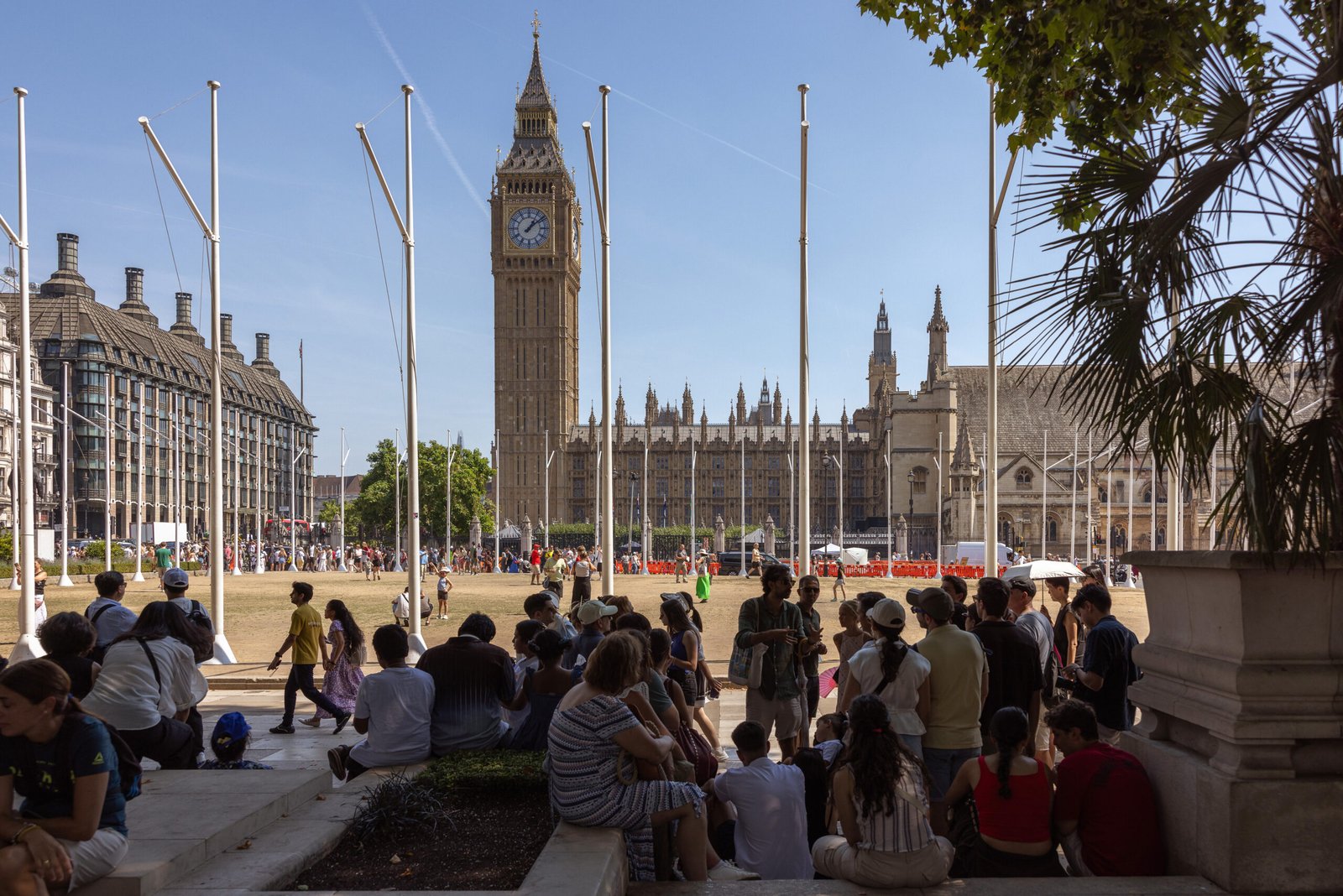
Photograph: Tourists shelter in the shade near the Houses of Parliament during a heat wave in central London, UK, on Friday, Aug. 14, 2026. There are growing signs that the extreme temperatures are keeping shoppers away from the high street, hitting agricultural production, hampering builders and sapping productivity. Photo credit: Betty Laura Zapata/Bloomberg
Related:
Copyright 2026 Bloomberg.
Topics
Trends
Climate Change
London
Interested in Climate Change?
Get automatic alerts for this topic.