Want a board seat? Xero’s CFO says being a good operator isn’t enough
Being good at the CFO role doesn’t necessarily mean you’re ready for a board seat, according to Claire Bramley, CFO at accounting software firm Xero.
Bramley, who recently joined Upwork’s board after previously serving on the Ansys board, said CFOs looking for their first board role need to show they can step outside of finance and think strategically about the entire business. She also added that the resume that gets someone a CFO job should look different from the one they use to pursue a board seat.
Speaking with CFO.com fresh off the stage at the Xerocon conference in Denver on Aug. 20, Bramley also discussed how Xero is measuring AI ROI inside finance, her expanded responsibilities as interim chief people officer and how the company tries to avoid building technology customers don’t use.
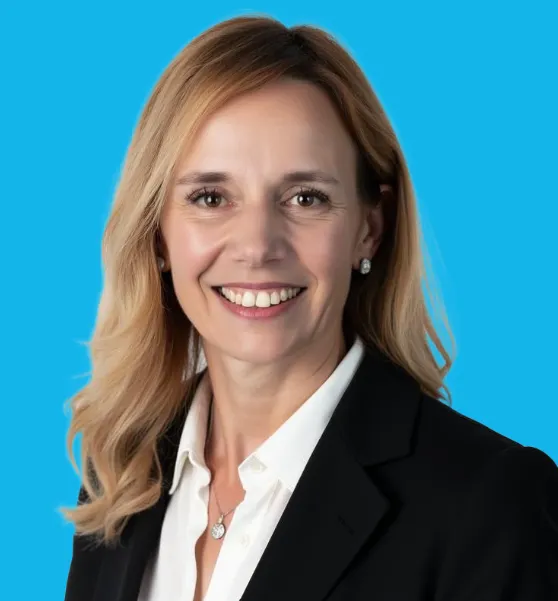
Claire Bramley
Optional Caption
Permission granted by Xero
CFO and interim chief people officer, Xero
First CFO Position: 2021
Notable previous employers:
This interview has been edited for brevity and clarity.
ADAM ZAKI: You recently joined Upwork’s board. What advice would you give CFOs who are looking to land their first paid board seat?
CLAIRE BRAMLEY: Although boards are looking for finance experts, where you really add value is when you are an enterprise leader who can take a step back and show that you can think strategically. Just because you’re a good operating CFO doesn’t make you a good board member.
It’s about what skills, advice and experience you can bring to the table that are going to help the CEO and leadership team move forward. You have to focus on being an enterprise-wide leader and on strategy, while also bringing your finance and governance experience to the table to support the board.
People say your resume looks different when you apply for a board role than when you’re applying for an operating role, and it’s true because what they’re looking for is very different.
The other thing I’ve done when joining boards, whether it was Ansys before or now Upwork, is make sure I feel that connection to the CEO and the rest of the board. It’s important not only that they want you to join, but that you feel you can bring value and connect with the management team and the board. That puts you in an environment where you feel comfortable adding value and contributing.
It has to work both ways. You have to make sure you’re picking the right board because it’s a big decision, and sometimes you can be on a board for a long time. Don’t take the decision lightly. Is this a company you connect with that has the values you have?
Has serving as interim chief people officer changed the way you think about workforce investment, including decisions around upskilling and investing in people?
It all comes back to how we bring our people along on the journey. How are we enabling them through AI training and development? How are we developing our leaders? How do we support Xero employees to be the best version of themselves? Ultimately, that enables growth, innovation and profitability.
The interconnection between the CFO and chief people officer roles feels very natural. I feel like I’m doing both jobs all the time, and it’s made me a better leader because I’m always thinking about how we enable things to happen.
I don’t think it’s changed my perspective because, as a leader, I’ve always valued the importance of the people on the team. It takes a team and a village to get things done. The only way you get revenue is because the team is able to sell, and the only way you get profitability is because the team is delivering in the most efficient and effective way.
I’m much more involved in ensuring that is happening and that the structure and support are in place. So it’s less about changing how I think about return on investment and more about being involved in how we make it happen.
Xerocon is a significant investment. How do you think about the ROI of bringing this many people together for a large in-person event, and what role does finance play in measuring that return?
It is difficult to put just one number on it. What I do with my team is get clear on the objective and what we’re trying to achieve. From one event, you’re not expecting to achieve one number. You’re trying to build relationships. You’re trying to educate existing and future customers about the product and the journey we’re on, and we’re looking to get feedback and input from them as we move through that journey.
We look at the options and ask whether one big event bringing everyone together makes sense. Is it more efficient and effective to do it that way versus doing lots of smaller events, roundtables and connection points? Over the years, we’ve seen the power of bringing people together and having them feed off and learn from each other. It brings a greater return than doing lots of smaller events across the country.
Personally, I met with four or five different partners yesterday and asked them: Give me feedback about Xero. Give me feedback about what you love and what you don’t love so much. As a leader of the company, I can understand that perspective. They’re also saying to us, get us into a room with like-minded customers so we can learn from each other.
The pace of technology and everything happening right now is so fast that they want help. They want us to enable them, support them and educate them, but they also want us to listen to them. These events are a great way to do all of the above, and it’s actually quite an efficient and effective way to do that.
A lot of CFOs are being asked to speak publicly more often as their roles expand. What advice would you give CFOs who may not be comfortable with public speaking?
One thing I would always say is preparation. You need to be prepared, but not overly prepared because then it doesn’t come across as natural. Know what you want to say and what the objective is. It comes back to: Why are we here? Why now?
This morning was a Xero leader presentation, and we’re bringing them together to learn together, connect and build our skills for the future. You have to remember why you’re on stage and what the overall objective is. Make sure you’re prepared, but don’t be overly prepared so it’s not overly scripted. And practice. It gets more comfortable and easier over time.
One thing someone said to me probably 10 or 15 years ago was, “Be relatable,” which is easy to say but hard to do. I don’t try to come across as perfect. I don’t aim for perfection because otherwise people can’t relate to you. If you come across as a female senior leader who knows all her numbers and has a perfect script, it’s like, just be human. People relate to people who are human.
These events can mean two straight days of conversations, presentations and meetings. How do you stay focused throughout something like Xerocon and make sure you’re getting the most out of it?
It depends on what gives you energy. For some people, being with people and being on stage gives them energy. It can drain me, so you have to know yourself. I know that being well prepared, getting a good night’s sleep and not staying up too late in the evenings helps.
I also make sure the people around me know I’m going to be less connected on email. I tell them, just call me or text me if it’s urgent because I’m not likely to be on my phone or email.
But honestly, this is where you learn the most. If you want to be an informed CFO of any company, you have to spend time with customers. You have to spend time with partners. You have to spend time with employees. That’s where you learn the most.
You can’t sit in an ivory tower and think that you know it all, because you don’t. No one person knows everything. So honestly, suck it up, make the most of it and try to enjoy it along the way.
CFOs are trying to figure out how to define the ROI from new technology. Within Xero’s own finance function, where are you seeing the biggest returns from artificial intelligence?
As with all finance teams, we started using AI with the ambition of making ourselves more productive, and I think we did a good job. But we were looking at our own day-to-day jobs and asking, how do we improve productivity?
What we’ve evolved to over the last six months, with the help of the technology and engineering team, is nominating people to be what we call “citizen builders.” We’ve taken people who have an interest and a desire in AI and asked them to represent our functions. Full time, their job is to be a citizen builder here at Xero, which is super exciting for them.
That has unlocked us to not just focus on efficiency and productivity, but to take a step back and reimagine what we’re doing. As a finance, technology and now people team, we’ve realized you have to look at everything you’re doing and all the touch points and ask: How can we remove friction? How can we remove human touch, or if you need human touch, how can we reduce the friction of that human touch?
We’re looking at hire-to-retire and source-to-pay. We’re looking at these end-to-end global processes and asking how we can reimagine and unlock them, as opposed to me as CFO, or the head of FP&A or the head of accounting, asking how they unlock themselves and their team.
That’s when you see the ROI. You see the time it takes to hire someone, onboard someone or train someone. You look at getting POs automatically opened without a human touch point, invoices raised and invoices paid. If we don’t have people having to chase that and do that, you suddenly unlock people’s time. I can put people full time on building the future. I can put people full time on analysis, insights and scenarios. That’s how we’re trying to truly reimagine what we’re doing.
One criticism I hear from CFOs at large SaaS providers is that they integrate bloatware, where companies wind up paying for features they don’t need or use. As Xero adds new technology and offerings, how do you make sure you’re building things customers actually want and will use?
There are two things that we do. We spend quite a lot of time in beta getting people’s input and feedback. A lot of the things we prioritize and design come from what we’ve heard from our customers. We get them to vote on what they want to see. So first of all, you have to get customer insights and the voice of the customer really early on.
Our product team has a whole team focused on the voice of the customer, and their job is to make sure we understand what customers want upfront and then continue that throughout the journey. Is what we’re delivering driving the outcome we were aiming for? Are we meeting the objectives we set?
The other thing we do is track adoption. Once something goes into beta and then into general availability, we get feedback through that phase, but we also look at adoption. Adoption rates early on can be a good indicator of whether something is landing and working well.
You also have to accept that some things won’t always hit. It’s important to track and measure utilization and adoption, and if something isn’t working the way we expected, understand why. Is it because the product isn’t doing what the customer wants, or is it something that’s a nice-to-have rather than a need-to-have? If it is, do we even need to launch it out of beta? If we do, do we need to keep it?
The connection to the voice of the customer from the very beginning helps ensure that as you move through development, beta testing and general availability, you’re continually getting that feedback. What we’ve seen is that cycle used to be much longer, and it’s much shorter now because of AI.