COVID’s Annual Summer Wave Is Back. Here’s What’s Behind It
Just as many Americans squeeze in the last weeks of summer, COVID-19 is staging a return, according to health experts.
The virus has settled into a pattern of rising cases each summer and winter, and this year’s warm-weather wave of illness, known as the “summer surge,” is already underway.
“COVID-19 is rising nationally but from a low baseline. As of the latest, CDC estimated infections were growing or likely growing in 47 states, led generally by the South and West,” Dr. Syra Madad, infectious disease epidemiologist at Harvard’s Belfer Center and chief biopreparedness officer for New York City’s public hospitals, told USA TODAY. “The increase became apparent in parts of the South and West during July and more clearly nationwide by late July and early August.”
Data from WastewaterSCAN, a Stanford University-led tool that tracks disease presence by testing wastewater samples nationwide, shows that COVID-19 is in the “high” category and trending upward, with August levels up 105% compared to July. Concentrations of the coronavirus detected in wastewater have doubled each month since June.
“Since we began monitoring COVID-19 in wastewater, we have seen a similar pattern: virus concentrations peak in the summer and winter months,” Amanda Bidwell, scientific program manager for WastewaterSCAN, told USA TODAY. “We’re still seeing lower SARS-CoV-2 concentrations than at this time last year, but sites are trending upward across the country. In the West and South, we’ve surpassed the concentrations observed during the winter peak.”
COVID is categorized as a respiratory illness like influenza or RSV, but doesn’t have just one “season” as we associate with similarly defined illnesses. Instead, experts say COVID has settled into a distinct pattern of summer and winter waves that have become increasingly predictable over time.
What Causes the Summer Wave?
When COVID-19 first came on the scene in 2020, it was novel — meaning it was new to humans and our immune systems, which had no frame of reference to fight it. As time has gone on, our bodies have had time to catch up and infection patterns have settled into something more predictable, similar to the seasonal trends we’ve come to expect with other infectious diseases like the flu.
Data from COVID-NET, the CDC’s dashboard for tracking COVID-19-related hospitalizations, shows a consistent uptick in cases beginning in July and continuing until around September as early as the 2022 season.
“If you actually look at it, it starts year after year at a national level. It’s been practically identical,” Dr. Michael Mina, chief medical officer at biopharmaceutical company Invivyd and a former assistant professor at Harvard T.H. Chan School of Public Health, told USA TODAY. “Sometime in early July, or mid-July, you start to see an upswing, and then it really picks up speed.”
Unlike other common respiratory illnesses, including flu and RSV, COVID-19 has not been relegated to the once-yearly “cold and flu” season spike, but instead consistently surges twice a year. And while experts have established the pattern, the driving factors behind it remain somewhat up for debate.
Some of it is likely environmental and behavioral, which enables us to predict illnesses based on repeating patterns, said Mina.
“Humans have similar types of contact rates. Just the way that humans bump into each other across the population is pretty consistent from year to year,” he said. “We can find it’s transmitting because of the way that humans aggregate indoors during the winter, for example.”
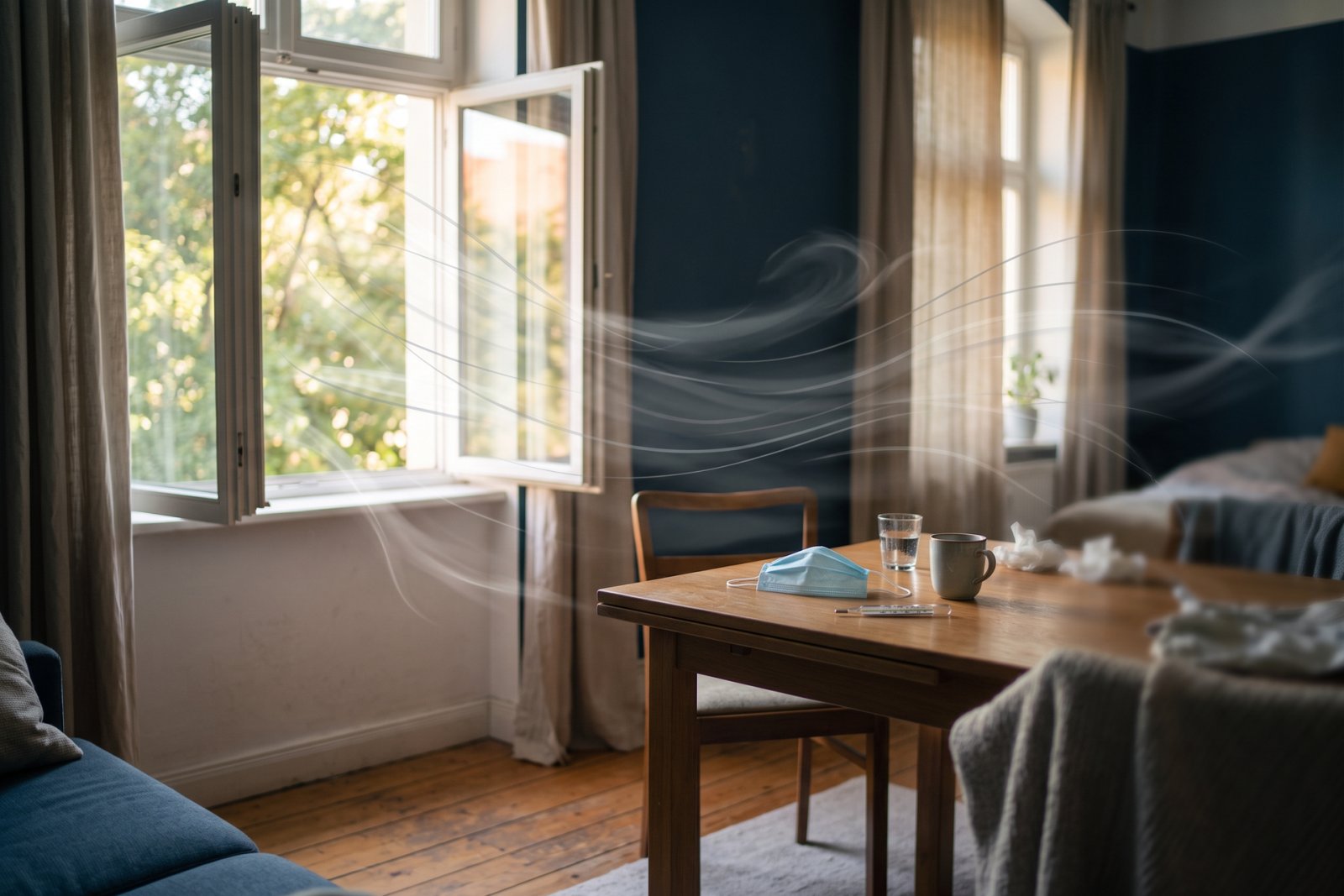
During the peak of summer, this can mean hotter-weathered areas drive more people into cool, air-conditioned indoor spaces with limited ventilation due to closed windows. In late summer, this could mean more contact among groups of people as kids return to school and bring germs back and forth to home.
When the fall season arrives, we tend to see a lull, said Mina.
“That’s because we’re kind of mitigating some of these transmission opportunities by maybe opening up windows more in the fall and congregating less inside or having less air conditioning, things along those lines,” he said.
Why Breakthrough Infections Happen
Dr. Andrew Handel, a pediatric infectious diseases specialist at Stony Brook Children’s Hospital, told USA TODAY that the virus’s evolution is likely driving the increase in breakthrough infections. As new variants emerge and immunity from prior exposure fades, conditions become more favorable for infection.
“The virus tends to mutate quickly, but there are small mutations one at a time, and so those can kind of add up over time more than we see with other viruses like influenza,” he said. “With COVID, we also have a shorter-lasting immunity … There’s enough of a waning in immunity that six months after your initial infection in the winter, people tend to get another maybe less robust, less severe infection in the summer.”
How to Reduce Your Risk
While “summer surge” rolls off the tongue, the July to August increase in cases is more aptly called a “summer wave” or “summer rise,” both Handel and Madad said. The real “surge” still happens in the winter months.
“Emergency-department visits remain very low, so this is best described as an early, relatively small summer wave, not a major surge … particularly when infections are increasing but severe illness remains low,” said Madad.
Still, she noted, “Low national severity does not mean no risk. Older adults, infants and immunocompromised people remain particularly vulnerable.”
Mina believes that the summer surge (or wave, or rise) could become something of an extinct phenomenon over the next few decades as human immunity and immunization science continue to advance. On a basic level, babies born to mothers who have developed antibodies against an illness and children who are exposed to the illness young develop a lifelong immune response that is more robust than adults trying to build defenses against something brand new, he explained.
As more children are exposed to the virus and associated immunizations and antibodies, the population’s immunity and ability to fight off serious disease caused by SARS-CoV-2 should continue to grow until fewer breakthrough infections occur.
In the meantime, he advises regular immunization to keep serious illness at bay and staying home from school or work if you feel sick.
You should also take a COVID test when feeling ill, added Madad, and consider other mitigating actions like improving air ventilation and filtration in your environment, practicing good hygiene, consulting with a doctor about antivirals when infected and wearing a well-fitted mask after exposure, during outbreaks or when around vulnerable people.
“The message is proportionate vigilance, not alarm,” she said. “COVID is rising but we have effective tools to reduce transmission and severe disease.”
Reporting by Mary Walrath-Holdridge, USA TODAY.
USA TODAY Network via Reuters Connect.