Vistra Is the Quietest Big Winner of the AI Power Boom. Here’s Why.
According to research from Goldman Sachs, U.S. data center power demand is forecast to double from 31 gigawatts (GW) in 2025 to 66 gigawatts (GW) by 2027. This massive surge in energy consumption bodes well for merchant power producers such as Vistra (VST -1.97%), which sells electricity into competitive wholesale markets.
Vistra has a massive fleet of energy-producing assets in key U.S. regions and has leveraged its platform to secure major deals with hyperscalers in recent years. As demand for artificial intelligence power booms, Vistra is quietly becoming a winner from these long-term tailwinds. Here’s why.
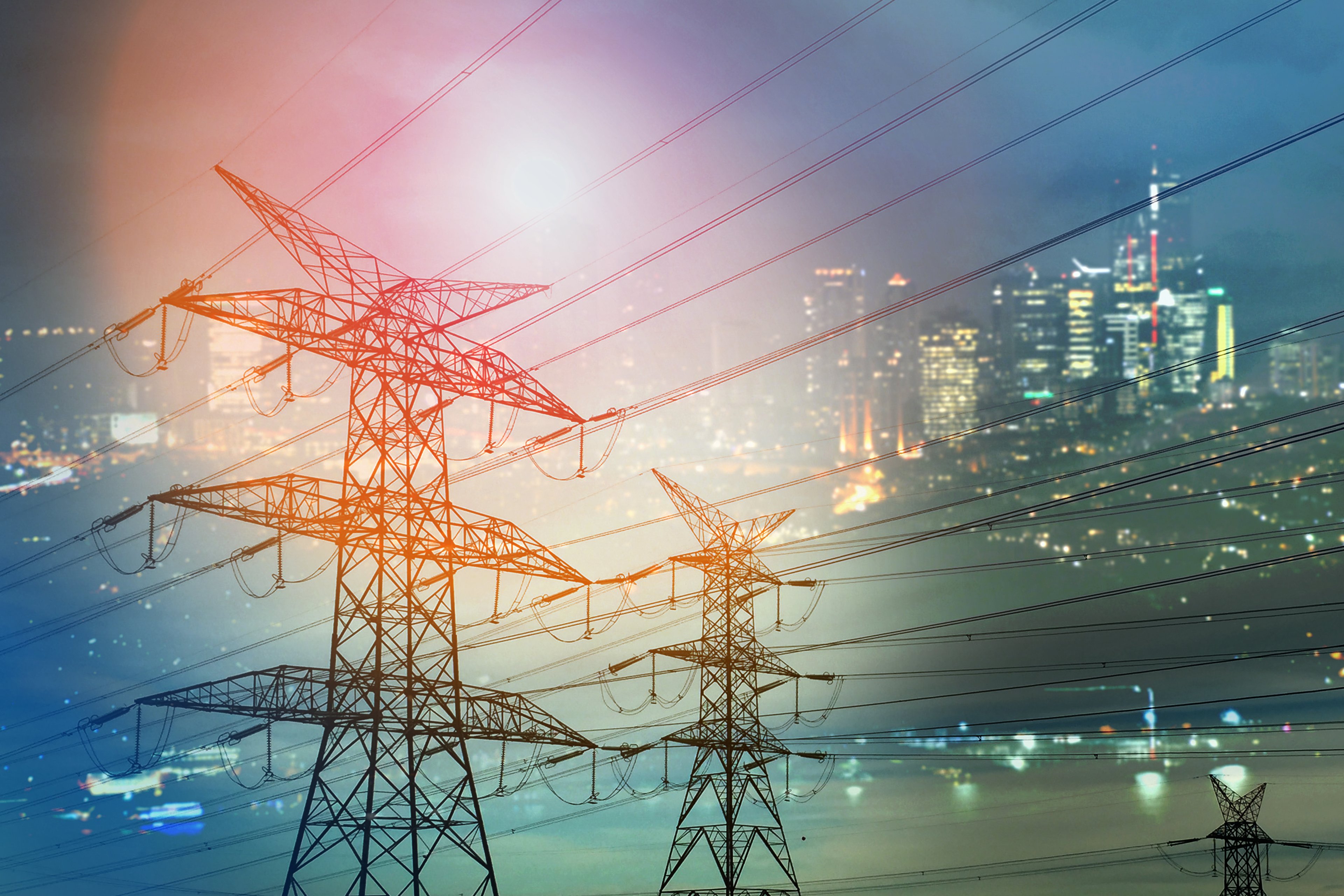
Image source: Getty Images.
The AI power boom supercharges Vistra’s business model
Hyperscalers are spending massive amounts of capital on building data centers. According to Goldman Sachs Research, global AI investments could top $1 trillion this year, with more to come. This massive deployment of capital and build-out of modern data centers, where server racks require significantly more power and cooling, has citizens concerned about the impact on the power grid.
Regulated utilities operate under a cost-of-service model, meaning they earn a legally capped return on equity (ROE), which averages roughly 10%, on their investments. This helps keep energy prices stable for households and other consumers and prevents price gouging, given utilities’ territorial monopolies in their regions.
As a result, regulated utilities’ upside from the electricity boom is more capped. Meanwhile, independent power producers (IPPs), like Vistra, own power generation assets but don’t own the power grid infrastructure, such as high-voltage transmission lines, that delivers that power. Instead, Vistra sells its power directly into wholesale markets, allowing it to benefit from spikes in wholesale power prices.

Today’s Change
(-1.97%) $-2.73
Current Price
$136.21
Key Data Points
Market Cap
Day’s Range
$136.18 – $140.32
52wk Range
$132.66 – $219.82
Volume
5.1M
Avg Vol
4.5M
Gross Margin
20.18%
Dividend Yield
0.67%
Vistra has inked major deals with hyperscalers
Vistra also has the flexibility to enter into long-term power purchase agreements (PPAs) with hyperscalers. Last November, it signed a 20-year PPA, with a 20-year extension option, with Amazon Web Services for 1,200 megawatts (MW) of carbon-free power. In January 2026, it added to its hyperscaler deals with a 20-year PPA with Meta Platforms, supplying 2,609 megawatts (MW) of power from its nuclear sites.
The move provides long-term cash flow visibility by shifting capital risk onto hyperscalers. For example, Vistra’s agreement with Meta is structured around nuclear life extensions and uprates that expand power-generating capacity. Because Meta is funding this expansion, the deal satisfies political “Bring Your Own Power” mandates sought by regulators.
Building on its extensive energy assets, Vistra announced a deal to acquire Cogentrix Energy earlier this year. The acquisition adds 10 natural gas plants with roughly 5,500 MW of capacity in key regions across the U.S., and is expected to close later this year.
What’s next for Vistra
Vistra stands to benefit from another major tailwind. In June, Vistra, along with KKR, Nvidia, and Kuwait Investment Authority, announced the launch of Helix Digital Infrastructure. Helix aims to facilitate the development of AI data centers and is backed by $10 billion in investments. As part of this venture, Vistra becomes Helix’s preferred power provider.
Looking ahead, analysts covering Vistra stock project its earnings per share (EPS) to be $10.56 in 2027 and $12.36 in 2028. With Vistra’s stock down 38% from its 52-week high, it is now priced at just 12 times next year’s projected earnings.
For investors looking for exposure to data centers’ growing demand for electricity, Vistra is one solid stock to buy to capitalize on this long-term growth.