Democrats Fought Trump’s Bill. Why Back Part of It Now?
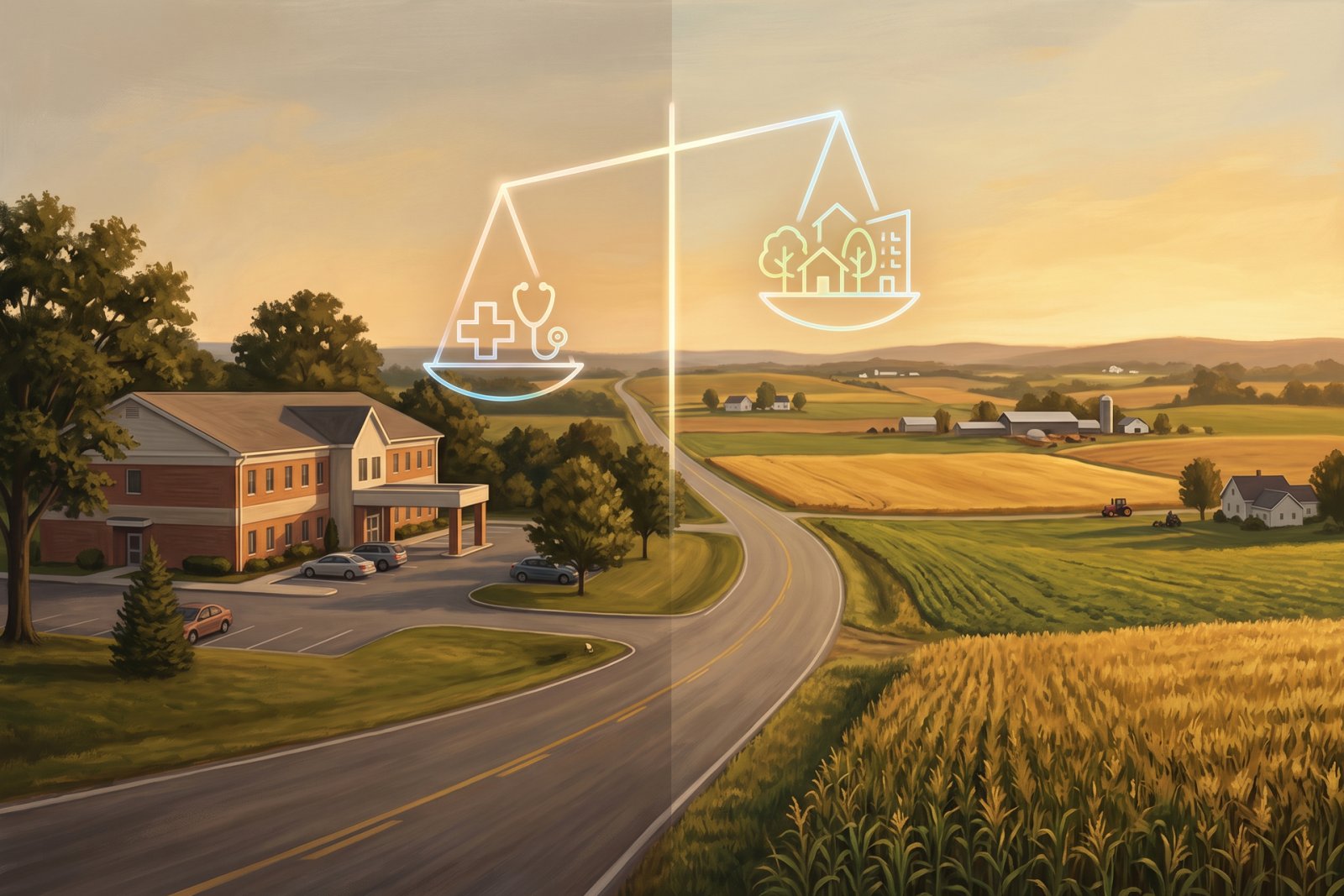
Democrats once opposed the law that created a five-year, $50 billion Rural Health Transformation Program. Now, some are highlighting the money headed to rural hospitals and services even as they continue warning about the law’s Medicaid changes.
What the Rural Health Fund Supports
The program lets states propose how to use the funding to address rural health needs. Plans can support rural hospitals, mental health services and other care that is scarce in rural communities. All 50 states applied, and the first year of funding has begun; the program is scheduled to run for five years.
Supporters say the money could help address decades of underinvestment and the financial pressure that has contributed to rural hospital closures. States have broad latitude to design their plans, including improving hospital supplies and services.
Why Medicaid Changes Matter
The program was included as Republicans crafted the law, in part amid concerns about Medicaid funding cuts and new eligibility requirements. Medicaid covers 16.1 million people in rural areas — about one in four rural adults, according to KFF.
Most of the Medicaid changes are scheduled to take effect in 2027. New work requirements are expected to reduce enrollment, although the White House describes them as restrictions rather than cuts. The $50 billion fund is limited to rural areas, while Medicaid changes will affect cities and suburbs as well, so the health fund is not expected to fully offset the reductions.
What It Means for Health Care Costs
The fund is not designed to replace the enhanced Affordable Care Act premium subsidies that expired at the end of 2025. States have generally directed the money toward hospital services and other care rather than reducing the insurance premiums people pay.
Some Democratic governors, including Maryland’s Wes Moore and Arizona’s Katie Hobbs, have promoted the funding as a benefit for rural communities. The White House has criticized Democrats for taking credit for a program they opposed.
Whether the investment can keep rural hospitals open remains uncertain. People in rural areas increasingly live farther from a community hospital, and the effects of the program will unfold alongside the Medicaid changes.
This article is based on a USA TODAY interview transcript. The original podcast transcript was automatically generated and edited for clarity.