U.S. Destroys 3 Iranian Oil Tankers Under New Retaliatory Policy
Topline
U.S. forces struck three Iranian crude oil tankers in the Persian Gulf and Gulf of Oman Saturday morning as part of a new “tanker for tanker” retaliatory policy meant to further deter Iranian attacks on tankers that move through the Strait of Hormuz shipping lane.
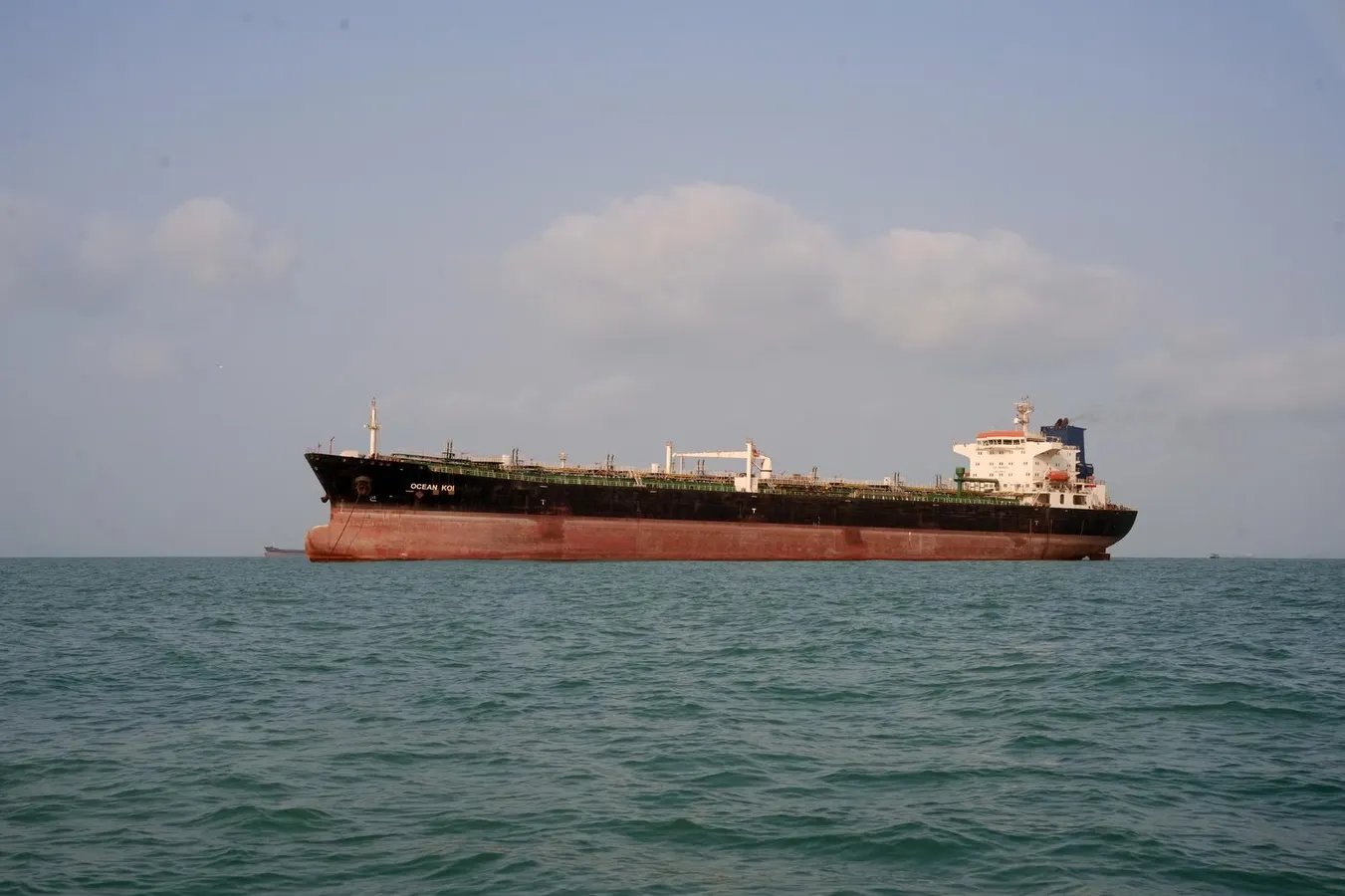
An oil products tanker is anchored in the Strait of Hormuz on Aug. 10, 2026.
Getty Images
Key Facts
U.S. Central Command (CENTCOM) said American forces “permanently disabled” the three oil carriers near Iran’s Kharg Island, Jask port city and in the Gulf of Oman.
The attacks come after the Islamic Revolutionary Guard Corps (IRGC) launched ballistic missiles toward two U.S. Navy warships.
The U.S. ships were able to avoid the missiles and no injuries or deaths were reported, but Saturday’s retaliatory attacks are among the first under a new policy that will target Iranian tankers in response to every Iranian attack on a ship in the Strait of Hormuz.
The “tanker for tanker” policy is meant to stop Iran from attacking ships trying to use the vital oil shipping channel and aims to dismantle the military infrastructure—like radar, air defense and missile capabilities—that Iran uses to threaten maritime traffic.
The tanker strikes came after CENTCOM conducted raids against approximately 100 military targets earlier this week, focusing on Iranian air defenses, coastal radar sites, mine-laying ships and anti-ship cruise missile launch pads along the Strait of Hormuz.
vNo injuries have yet been reported from Saturday’s attacks, and multiple news outlets reported Americans warned the ships via radio ahead of the strikes, giving crew time to evacuate.
CRUCIAL QUOTE
“Let the message to the IRGC be clear: If you shoot at two of our ships, we will impose an even higher economic cost—taking out three of yours,” Adm. Brad Cooper, CENTCOM commander, said Saturday. “We will not hesitate to defend American forces, and if necessary, destroy Iran’s limited and exposed oil fleet.”
Key background
Negotiators have failed to secure a peace framework since U.S. and Israeli attacks on Iran launched the region into war earlier this year. The new “tanker for tanker” policy marks a shift from passive defense to explicit economic retaliation in the Middle East as the Trump administration tries to inflict direct financial penalties on Tehran. CENTCOM is now systematically targeting vessels tied to Iran’s so-called “shadow network,” a group of multi-billion-dollar front companies, shell corporations, shady banking systems and a “shadow fleet” of oil tankers used to bypass international sanctions and fund Iranian military operations.
SURPRISING FACT
Diesel fuel prices jumped to a record high of $5.85 per gallon on Friday. The war has driven global oil and fuel prices to historic highs primarily because military operations and maritime blockades have effectively choked off the Strait of Hormuz—a bottleneck through which 20% of the world’s petroleum supply typically flows. Global energy markets have reacted by pricing in severe risk premiums and looming supply shortages.