We Saw a Bunch of Robot Vacuums at IFA 2026: Here is the Winner
Not many would have bet on iRobot stealing the show at IFA 2026. This is a brand that spent the last couple of years fighting to hold onto its identity until it was finally acquired by its major Chinese supplier, Picea Robotics, in January 2026. One thing Picea didn’t change, even after the acquisition, and for the good, was the “Roomba” branding.
Picea had its own robot vacuum brand, 3i, but my insiders pointed to the company giving iRobot the upper hand instead, putting engineering and manufacturing muscle behind the Roomba name. Vacuum Wars reported early on that 3i was being wound down and consolidated under iRobot, a claim Picea later muddied by insisting 3i models are still in development. Either way, the intent is quite clear: iRobot, not 3i, would carry Picea’s ambitions forward.
We had early indications of this when iRobot rolled out a batch of vacuums that all looked fine but didn’t really stand out. It was easy to write the brand off after that. Turns out iRobot had saved its best move for IFA 2026. Under Picea’s ownership, iRobot played this show carefully. It opened with two new Roombas, the Max 875 Combo and the Plus 678 Combo, both built around a new suction system called SealForce. Then it waited. Once it became clear that Roborock, Dreame, Anker’s Eufy, and Narwal had nothing jaw-dropping planned, iRobot dropped its biggest surprise, the Roomba Duo.

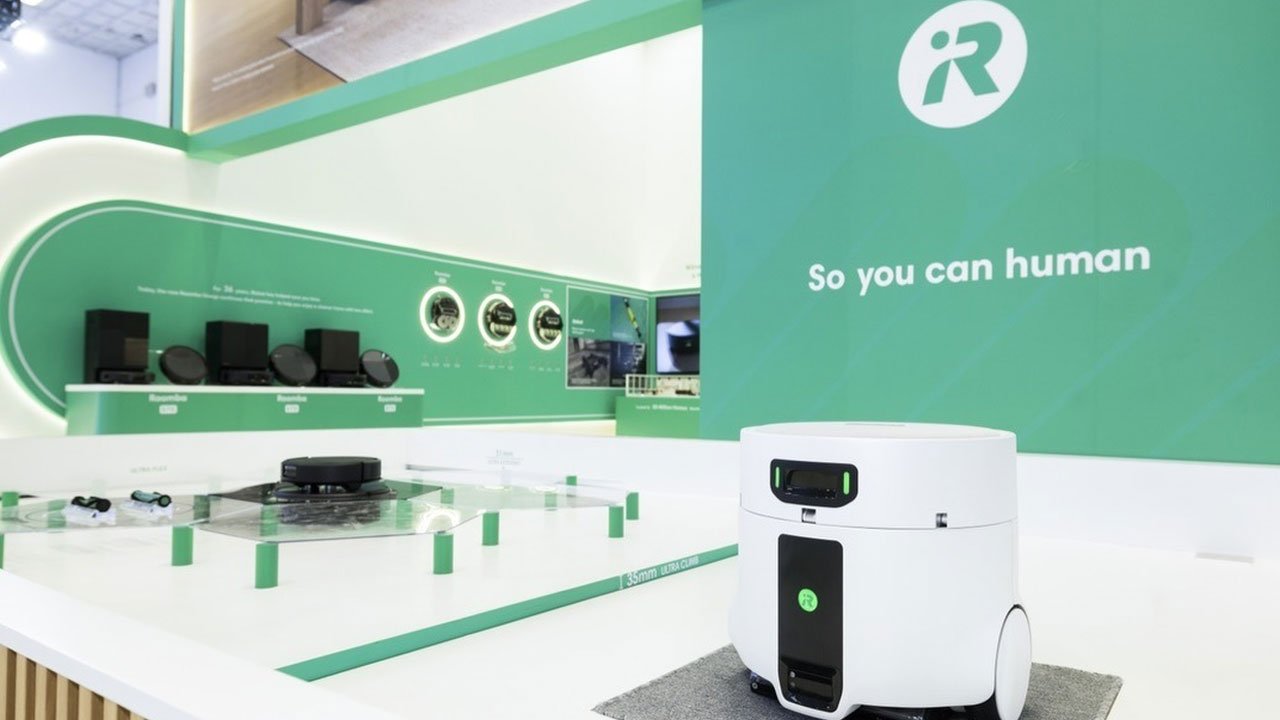
First reported by The Verge, the Roomba Duo is an experimental dual-unit concept that vacuums and mops your floor. The news has sent the rest of the floor-care industry into a bit of a scramble and put out a clear signal that iRobot isn’t dead yet. The Duo tucks a small companion robot inside a much larger main cleaning unit. Vacuum Wars describes it as a “robot-in-a-robot” architecture. The concept might sound silly at first, but it makes sense in real-life usage. Most robot vacuums are simply big enough that they can’t slide under a sofa. Any dimwit would argue, why not make them slim? Well, the problem with slim vacuums, even the ones iRobot made, is that they can’t hold much battery, water, or motor power. And this is why Roomba Duo certainly makes sense.

Gizmodo, which watched the live demo of Roomba Duo in action, called it something close to a matryoshka doll of vacuums, and CNET’s write-up made the same point another way, noting that the machine essentially rides another robot on its back. While many would still argue that the device is actually looking for a problem, iRobot’s fix is to stop making one robot do both jobs.
To put that into context, the main unit handles open floors. It runs a steam-assisted mop roller with a claimed 46 newtons of downward pressure. When it hits furniture it can’t clear, a mechanical arm on top lowers a second, much slimmer robot to the floor. That companion bot, which is 3.25 inches, slides beneath beds, dining chairs, and TV consoles that stop most robot vacuums cold.
As detailed in the company’s press release, the two robot vacuums share a single map, dock at the same AutoWash station, and run on the same LiDAR-based navigation. But here is the sad part about the whole thing. The Duo is still in the prototype stage. iRobot hasn’t said what it will cost, when it might ship, or where it would launch first. My sources within the company suggest, “We might do a few more tweaks to the unit before it’s market-ready.” If I am to make anything of that statement, it is: don’t have your expectations too high for at least a year. Nevertheless, Max 875 Combo and Plus 678 Combo are both available for purchase.
iRobot wasn’t the only one making its presence felt. Dreame introduced the Aqua20 Pro Ultra Roller X Complete, its first robot vacuum to pair steam pretreatment with a roller mop rather than the spinning pads most rivals still use. FoneArena, which reported on the subject matter, reports that the robot combines high-temperature steam cleaning with continuous roller water wash.
Roborock was a big disappointment in this regard, as they only showcased their wheel-legged Saros Rover, first shown at CES. Ecovacs, meanwhile, refreshed its flagship line with the Deebot X12S OmniCyclone, adding hygiene-focused upgrades over the outgoing X12 model. The company has been doing that for months, so it doesn’t leave tech enthusiast much excited.

Dyson used IFA to introduce a broader ten-product fall lineup built around three new Nurovi robot vacuums, alongside an updated PencilWash wet floor cleaner. Narwal brought its self-cleaning FlowWash mop system to the new Freo 20 and Freo 20 Edge alongside a V50 Cube cordless vacuum. And Eufy introduced Omni E35, a premium model with a self-cleaning roller mop and multicyclone filtration, sitting above two more budget-friendly C30 Series machines. We have done a detailed story on that subject matter here. None of the reveals were as exciting as the iRobot one.

DJI was possibly one brand that gave a close contest to iRobot. The company unveiled the ROMO 2 vacuum, which is an upgrade to ROMO, which it launched last year. Engadget did a detailed piece on the same pits it as a vacuum, “keep data about your home private,” but the comment section thinks otherwise.
All in all, day one of IFA 2026 was all about vacuum cleaners. And from what we have seen on the ground, robot vacuums aren’t just getting smarter this year; they’re getting stranger. With iRobot entering the fray, it’s pretty interesting what Roborock’s and Dreame’s next move could possibly be. Maybe a flying vacuum, if Mova isn’t working on it already. That said, if day one was any indication, the rest of the show week in Berlin is going to keep the pressure on every brand trying to out-clean the competition.