What I Look for When Test Driving New Cars
I’ve test driven over 20 brand-new cars, trucks and SUVs in 2026 for USA TODAY Cars, including best-selling models and models that top segment ranking lists. I drive new cars weekly, and there are key characteristics I look for in every new vehicle from the moment I step inside its cabin.
From EVs to gas guzzlers with V-8 engines, there are universal qualities drivers can look for on a test drive. Knowing what to look for and how to analyze a vehicle can make the difference between choosing a daily driver that lasts for years and leaving a vehicle on the lot.
Here’s what I look for in a vehicle as a consumer advice expert who regularly tests new cars.
Check the Screens and Controls
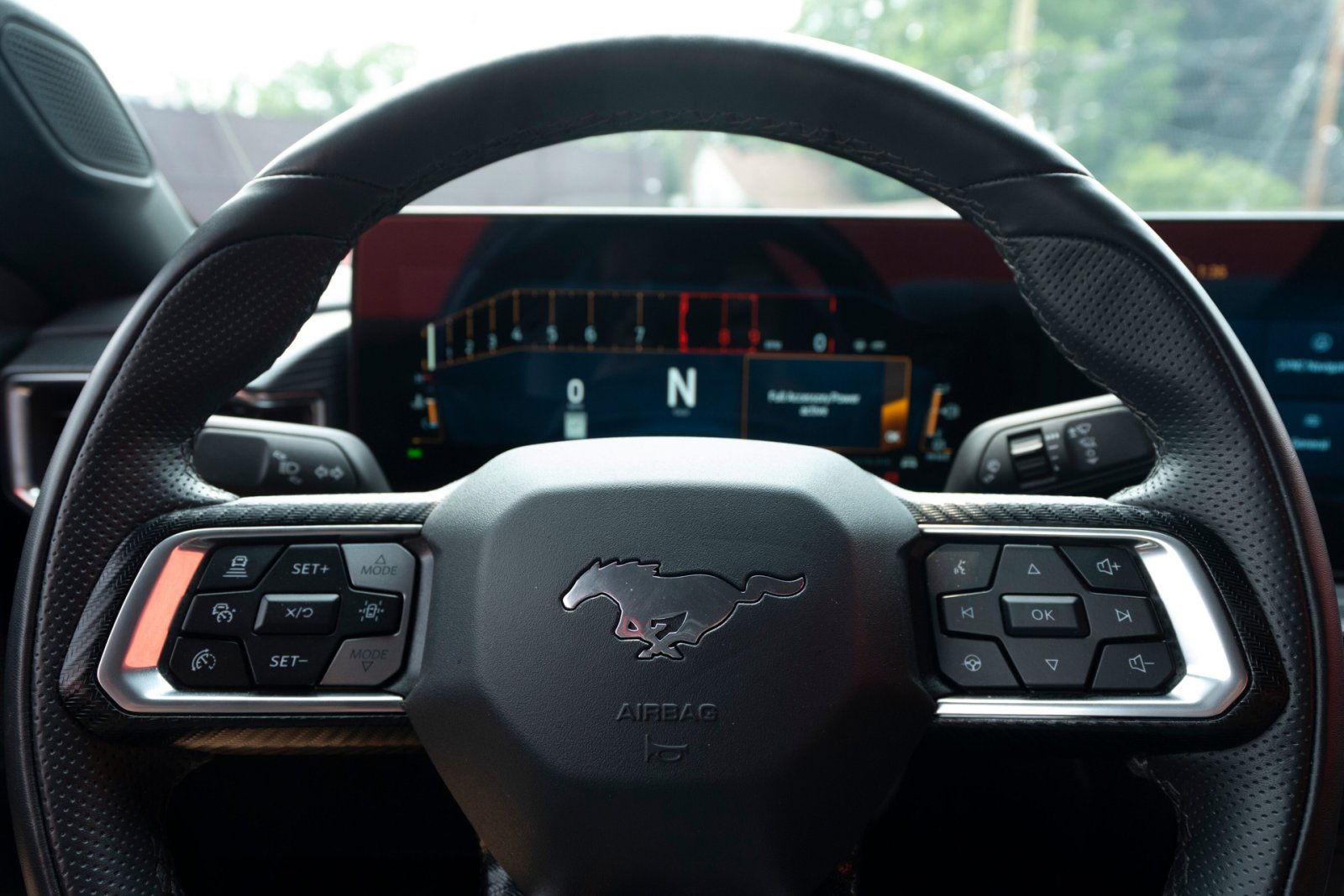
When I step into a new press vehicle for the first time, the infotainment screen and instrument panels are the first things to catch my eye. The modern touchscreen infotainment system has become a focal point of new vehicles, used for everything from navigation to streaming and toggling driver-assistance and safety features on and off.
If you buy a new car, chances are you’ll interact with the infotainment system every time you drive, especially if you’re a music lover or rely on navigation apps like Google Maps. I personally use Google Maps even when I know exactly where I’m going because it helps monitor traffic, travel conditions and clearly displays an arrival time.
One of the biggest red flags for a new vehicle is a buggy infotainment system, which I’ve personally encountered. Some vehicles feature software and hardware that make response times slower, causing awkward pauses while using touchscreen controls.
Some drivers appreciate the tactile feel of physical buttons, so a vehicle’s infotainment system and available buttons could make or break the test-drive experience. Smartphone connectivity is also important to test when you first enter a vehicle, since many drivers use it daily.
Evaluate Driving Dynamics and Ride Quality
After interacting with a vehicle’s infotainment system and connecting my smartphone to access maps and music streaming, the next thing I do is take it for a spin. I look at how easy or difficult it is to switch gears and how the vehicle’s acceleration feels on the road. Is it sluggish or immediately responsive?
Next, I test how precise the steering is and how the vehicle handles turns. If the steering is responsive and the vehicle is easy to control, it often improves the entire driving experience, especially when combined with solid power output. The Toyota GR86 is an example of a vehicle with near-perfect steering.
Ride quality is how stable and comfortable a vehicle feels over different types of terrain and bumps. A vehicle with a smooth ride has controlled movement after hitting bumps and provides good absorption. A vehicle with a rough ride can rattle the cabin when encountering potholes and bumps. Ride quality is key for commuters and drivers with families.
Consider the Vehicle’s Value
After using a car’s infotainment system, testing its driving dynamics and checking its standard features, I assess whether the vehicle presents adequate value for the money. New cars are expensive compared with the past, but some models still offer strong value despite rising prices.
A vehicle with a strong value proposition has an affordable starting price, generous standard features and performance specifications that drivers can be comfortable with during long-term ownership, such as decent power output and gas mileage.
The vehicles with the strongest value propositions tend to offer more than their rivals in terms of standard features, specifications and overall driving experience. The 2027 Kia Telluride is a prime example of a vehicle with a strong value proposition:
- Affordable starting price of $39,190
- Three-row seating
- More than 20 standard safety, driver-assistance and connectivity features
- Redesigned exterior and cabin
After test driving more than 20 vehicles in 2026 and hundreds of vehicles in my career, I’ve learned that every vehicle is unique. Even if two cars look identical, they can feature different software or have their own quirks. There’s no better way to truly get to know a car than getting behind the wheel yourself with a checklist in mind.
Charles Singh is an Autos Connect Reporter for The Tennessean, part of the USA TODAY Network. Contact him at [email protected].