The One Color Combination Designers Would Never Use in a Living Room
Choosing the right paint color for your living room can be a daunting task. Often the biggest space in the house, living rooms serve many purposes, from cozy nights in front of the TV to hosting drinks with friends. It’s an overwhelming brief, and it’s natural to play it safe and end up with the once-popular choice of a gray-and-white living room color scheme.
We’re often drawn to this living room color combination because both colors feel neutral, versatile, and contemporary. However, it’s a scheme that designers tend to avoid because the pairing of gray and white, two cool colors, can mean the room loses warmth and depth. While it’s not necessary to rule out the combination entirely, thinking carefully about how you use gray and white is key to creating a welcoming living room you want to spend time in.

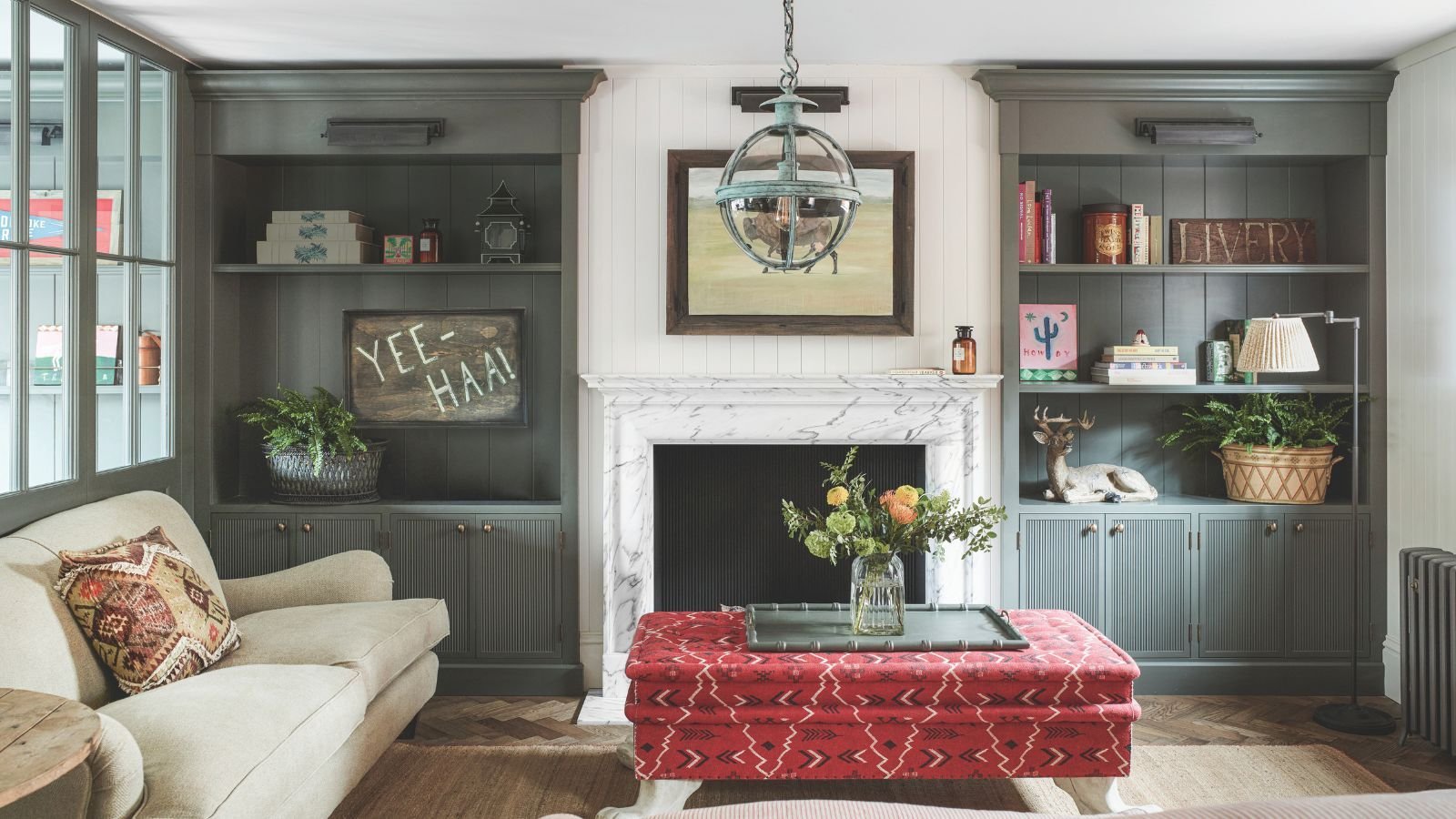
Designers are avoiding a gray and white living room scheme in favor of a more layered, tonal neutral approach.
(Image credit: Studio Lio / Styling Hannah Deacon / Photography Jake Curtis)
When it comes to gray and white, designers prefer to avoid using gray and cool white together. ‘I always think about how we feel on a cold gray day. Instinctively you want to come inside and get cozy. A cool gray interior can evoke that same feeling, particularly when paired with a stark white that makes both colors appear even cooler,’ Sophie Pringle, interior designer and Pringle & Pringle founder, explains.
Latest Videos FromHomes and Gardens
Why Cool Gray and Bright White Can Make a Living Room Feel Cold

A gray and white living room color scheme can work if the undertones are carefully considered and other deeper, warmer colors and brought in to balance the coolness.
(Image credit: Future / Studio HAM)
Painting your living room in cool gray and stark white can create an atmosphere that feels cold, uninviting, and lacking in depth. This is all down to color science. ‘You’re essentially putting two colors together that both sit at the cooler end of the spectrum, without anything to soften or balance them,’ Saskia Blyth, founder of Blyth-Collinson Interiors, explains.
This atmosphere is intensified further when gray and white walls are paired with furniture and decorative items in similar hues. ‘You lose any sense of depth. If the walls, upholstery, and furniture are all sitting within that same cool spectrum, everything starts to read as one note,’ New York-based interior designer Lauren Carlucci shares.
It’s All About the Undertones

This living room sticks with a classic off-white, gray tone for the walls but it’s warmed by the caramel tones and browns, plus plenty of layers and textures.
(Image credit: Blyth-Collison)
Much like their bolder color cousins, there are whole families of color within both gray and white. While three different shades of gray may look very similar at first glance, the undertones in each gray can have a big impact on how a space ends up feeling.
‘Undertones are hugely important when choosing both whites and grays because neither is truly neutral. A white can have blue, green, pink, yellow, or violet undertones, while gray can lean blue, green, purple, brown, or even warm taupe,’ Saskia points out.
The undertones at play in a white or gray become much more apparent once the color is on all four walls and interacting with everything else in the room. ‘A blue-gray next to a creamy white, for example, can sometimes make the gray suddenly look much bluer and the white much yellower than either appeared on the paint chip,’ Lauren notes.
How Lighting Can Change the Way Gray and White Look

A cool toned scheme can be totally transformed by the lighting (both natural and artificial) so always consider the aspect of your living room when choosing colors.
(Image credit: Ruth Maria Murphy)
Undertones, and subsequently the color, are hugely impacted by the light a room receives. Naturally, this is also a very important part of the puzzle when choosing the right gray and white for a living room. ‘A north-facing room tends to receive cooler, more diffused light, which can exaggerate blue or gray undertones. South-facing rooms have warmer, stronger natural light and can usually tolerate cooler colors more successfully,’ Lauren confirms.
Beyond this, artificial living room lighting also plays a big role. ‘Cool white bulbs can reinforce the blue undertones, while warmer bulbs will introduce a little more comfort in the evening,’ Saskia adds.
The Warmer Living Room Color Combinations Designers Prefer

In this cozy living room, the warm blush walls don’t stray to far from neutral and the white ceiling and woodwork keep the palette fresh and light.
(Image credit: Pringle & Pringle)
Neutral doesn’t have to mean beige, gray, or white. In fact, Pringle suggests looking at neutrals with a discernible undertone. For example, soft plaster pinks, muddy greens, warm stone shades, and pale earthy yellows all bring much more warmth and character.
‘Edward Bulmer Jonquil is a lovely example of a soft, warm neutral, Farrow & Ball Cromarty has a subtle green undertone, and Paint & Paper Library Stone is another favorite when you want something warmer but still very understated and contemporary,’ Sophie suggests.
Meanwhile, Lauren recommends neutrals that sit somewhere between cream, stone, putty, mushroom, and even very muted green. For example, Farrow & Ball’s Matchstick, Slipper Satin, Old White and String.
How to Warm Up a Gray and White Living Room Without Starting Over

Texture can do a lot of the work when warming up a neutral scheme.
(Image credit: Finch Interior Design / Styling Anna Sheridan / Photography Chris Snook)
If you already have a cool gray-and-white living room, you certainly don’t need to rip everything out. Saskia suggests starting by introducing natural timber: ‘An oak coffee table, a warm wood side table, or even a few smaller timber accessories can immediately take the chill off.’
She then recommends adding tactile textiles such as wool, linen, bouclé, velvet, and chunky knits in warmer shades such as oatmeal, camel, tobacco, rust, or muted olive. Beyond this, you can also look at lighting. ‘Several pools of warm, low-level light are much more inviting than one bright overhead source,’ she adds.
While a gray-and-white living room isn’t inherently a bad thing, it requires careful consideration when it comes to paint colors and benefits hugely from layering furniture and fabrics. After all, we all want a living room that feels warm, cozy, and inviting.
Love beautiful design ideas, expert advice, and inspiring decor trends? Sign up for our newsletter and get the latest features delivered straight to your inbox.