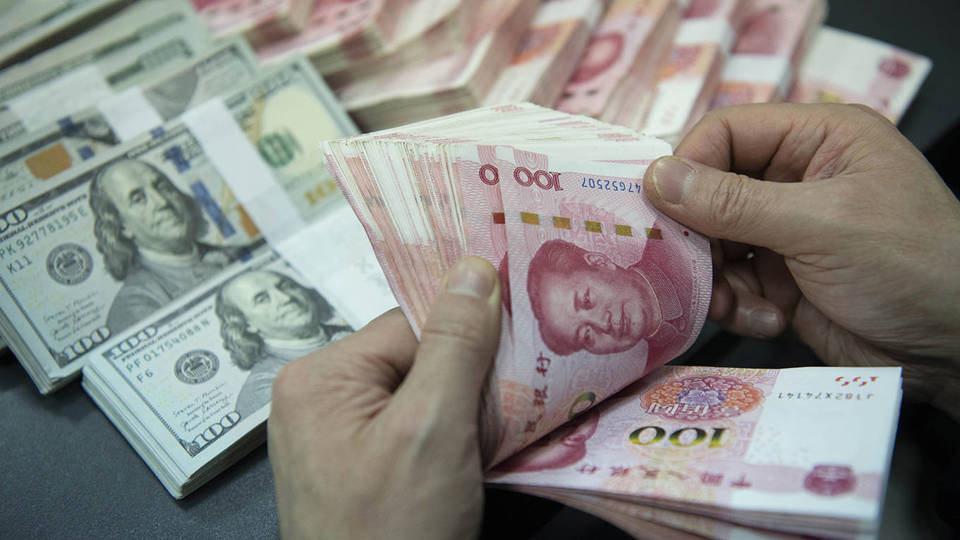
Renminbi appreciation would not, on its own, rebalance China’s economy and eliminate its massive surpluses. But by increasing households’ purchasing power over imports and compressing tradable-sector margins, it would raise the cost of avoiding reform.
LONDON—China’s undervalued exchange rate is often read as a symptom of the imbalance that underlies its surpluses. This is the wrong metaphor. The exchange rate is better understood as a price: by suppressing the renminbi’s value, the Chinese government not only obscures the underlying imbalance, but also disables the main mechanism for correcting it. The result is a deliberate policy of self-harm.