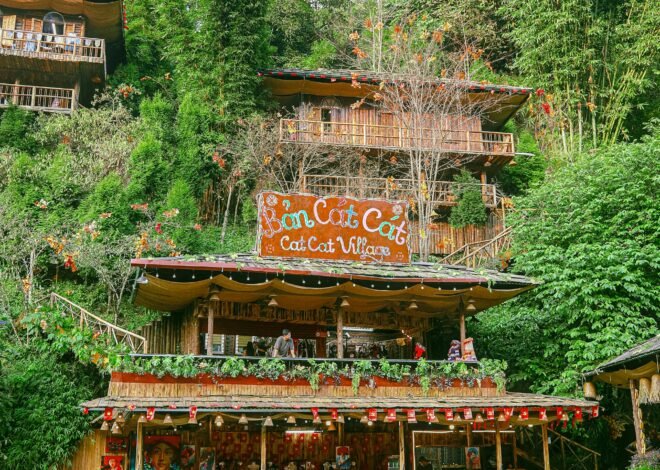
Responsible Travel: How Tourists Can Make a Difference
In April 2026, the concept of “Responsible Travel” has evolved from a niche preference into a global necessity. As major hubs like Venice and Barcelona implement strict access fees and apartment bans, the role of the individual tourist has shifted from a mere consumer to a temporary steward of the destinations they visit.
Making a difference in 2026 isn’t just about “doing no harm”—it’s about Regenerative Travel, ensuring your presence leaves a measurable positive impact on the local economy and environment.
🏛️ 1. Economic Responsibility: The “Leakage” Problem
In many popular destinations, up to 80% of tourist spend “leaks” out of the local economy to multinational hotel chains, airlines, and international tour operators.
- The “Local-First” Rule: Prioritize stays at locally-owned guesthouses (like Italy’s Alberghi Diffusi) and eat at “hole-in-the-wall” family restaurants.
- Direct Trade: Buy souvenirs directly from the artisans. In regions like Northern Pakistan or Oaxaca, Mexico, purchasing a hand-woven shawl directly from a village cooperative ensures 100% of the profit supports that community’s heritage.
- The Tipping Economy: In 2026, with the rise of digital payments, ensure you carry local cash for tips. For many service workers in the Global South, these direct contributions are more impactful than the base service fee.
🌿 2. Environmental Stewardship: Beyond the Towel
Responsible travelers in 2026 look at their total resource “pull” on a destination.
- The “Coolcation” Shift: To reduce the strain on heat-stressed Southern European and Asian hubs, consider “coolcations” to northern latitudes (like Oulu, Finland) during peak summer. This helps redistribute the ecological burden of tourism.
- Plastic-Free Travel: Carry a high-quality filtered water bottle (e.g., Grayl or Lifestraw). In countries with poor waste infrastructure, a single tourist can prevent dozens of plastic bottles from entering local landfills or oceans in a single week.
- Carbon Accountability: Move beyond “offsets” (which are often criticized for greenwashing in 2026) and focus on Carbon Reduction. Take the high-speed rail instead of a short-haul flight; one train journey across Europe or China emits roughly 90% less $CO_2$ than the equivalent flight.
📊 The 2026 Responsible Traveler’s “Impact Scale”
| Action | Traditional Impact | Responsible Impact (2026) |
| Dining | Global fast-food chains. | Street food & local markets. |
| Transport | Private ride-shares / Taxis. | Public transit & e-bikes. |
| Tours | Large-group bus tours. | Small-group, local-led walking tours. |
| Souvenirs | Mass-produced “Made in…” magnets. | Certified local handicrafts. |
🤝 3. Social Responsibility: The “Good Guest” Protocol
Respecting the social fabric of a community is as important as protecting its nature.
- Respecting “No-Photo” Zones: With the 2026 crackdown on “Instagram-traffic,” many residential areas and sacred sites have designated quiet zones. Respecting these boundaries preserves the dignity of local residents.
- The “Slow Travel” Mentality: Instead of visiting five cities in ten days, spend the full ten days in one region. This reduces your transport footprint and allows you to build genuine rapport with locals, moving you from “tourist” to “guest.”
- Language and Etiquette: Learning just ten basic phrases in the local tongue (Urdu in the North, Catalan in Barcelona, etc.) humanizes the interaction and signals that you value the culture as more than a backdrop for photos.
⚖️ 4. The “Social Media” Ethics
In 2026, “Geotagging” has become a controversial topic.
- Responsible Tagging: Consider using general geotags (e.g., “The Dolomites”) rather than specific, hidden locations. This prevents “viral surges” that can destroy fragile ecosystems or overwhelm small villages that lack the infrastructure to handle a sudden influx of visitors.