CleanSpark is making what may be the biggest strategic bet in its history, expanding into AI data center infrastructure after previously transforming itself from an energy technology company into one of the world’s largest publicly traded bitcoin miners.
The company has secured a 20-year, $6.6 billion lease with an unnamed global technology company to develop a 175 MW AI data center campus in Sandersville, Georgia. The agreement, which includes options that could increase the contract’s value to $11.6 billion, also includes a letter of intent granting the tenant exclusivity over CleanSpark’s planned Texas AI development portfolio, representing up to 885 MW of future capacity.
Leading this transition is President and CFO Gary Vecchiarelli, who inherited the finance organization in 2021 as CleanSpark continued scaling its bitcoin mining business. He rebuilt the company’s accounting foundation before taking on the additional role of president in September of last year, helping position its power portfolio for another strategic shift.
The company’s earlier transition from microgrid software development and energy management to bitcoin mining created enormous upside, but also brought shareholder confusion and drew scrutiny from short sellers. So much so, Veccharelli’s predecessor, former CFO Lori Love, told CFO.com in an exclusive 2024 interview that her experience as CleanSpark’s finance chief dissuaded her from ever pursuing another CFO role again.
Though bitcoin mining is still a big part of CleanSpark’s business, the company is now expanding into AI data center infrastructure to monetize its growing power portfolio. In a recent interview with CFO.com, Vecchiarelli explains why the company believes AI is a natural evolution of its business and what it has learned from navigating one of the bitcoin mining industry’s most dramatic transformations.
Gary Vecchiarelli
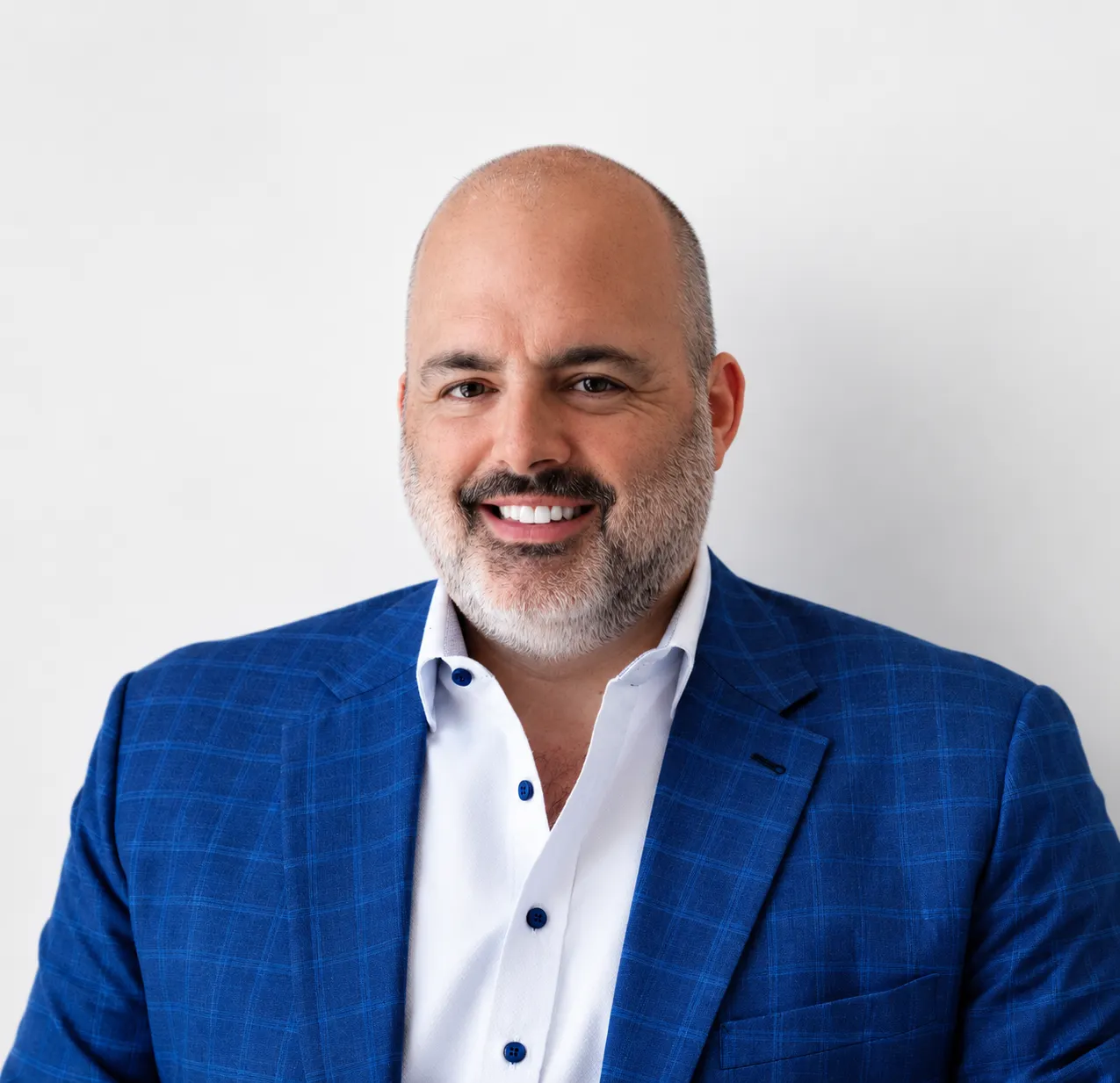
Optional Caption
Permission granted by CleanSpark
President and CFO, CleanSpark
First CFO Position: 2012
Notable previous employers:
- Galaxy Gaming
- Golden Entertainment
- Imatrex
This interview has been edited for brevity and clarity.
ADAM ZAKI: When you joined CleanSpark in 2021, what were the biggest challenges you inherited, and where did you focus your attention first?
GARY VECCHIARELLI: When I joined, there were a lot of pain points around what I call the blocking and tackling of being a CFO. We had material weaknesses in internal controls, the budgeting process wasn’t where it needed to be and the monthly financial close was taking too long. My priority was reestablishing the accounting function.
To have a strategic finance organization, you first need a strong accounting foundation. Otherwise, it’s garbage in, garbage out. If you don’t have good, disaggregated financial data, you can’t forecast effectively or make informed business decisions.
As Frank Sinatra said, I did it my way. I was able to choose the systems, build the team and invest in accounting. Some companies view accounting as overhead, but if you don’t invest in that foundation, it’s difficult to take the next step as a business.
Today, accounting is largely self-sustaining under our chief accounting officer. I only get involved when something requires a higher-level decision. That lets me spend more of my time looking ahead, thinking about capital allocation, lowering our cost of capital and creating long-term value for shareholders.
You became president almost a year ago while remaining CFO. How has that changed your role?
It wasn’t something I expected. When Matt Schultz became CEO, he wanted to give me the president title, and I told him, “I’m going to help you with the work anyway. I don’t need the title.” But he wanted to recognize the role I was already playing because I could help the company work more effectively across departments.
As we expanded into AI infrastructure, it became clear that finance needed to become much more collaborative. To increase the probability of meeting our financial goals, we had to get every department rowing in the same direction.
One of the first things I introduced was a goal-setting framework, [objectives and key results], after reading “Measure What Matters” by John Doerr. I read the book over Thanksgiving weekend and was immediately captivated by it. I asked our leadership team to read it, and almost everyone did voluntarily. They embraced the idea because it gave us a structured way to set objectives, monitor progress and keep the organization focused on a shared north star. It’s the same framework companies like Google have used for years.
We’ve now been using OKRs for two quarters, and they’re already helping us execute more consistently. Bringing more focus across the organization increases the probability of execution and makes my forecasts more reliable. It also makes it easier to raise capital because I have greater confidence in the organization’s ability to deliver on its goals. That’s really been my role as president: being the glue that brings everyone together and keeping the organization rowing in the same direction.
The company built its business around bitcoin mining. What made the team realize the company’s future could also include AI infrastructure?
We were energy guys. CleanSpark was an energy company that learned bitcoin, not bitcoiners learning energy. That was an important distinction because when the company entered bitcoin mining, there were already larger players with more experience. We were the last kid on the bus, but we still became one of the largest and most efficient miners. We achieved 98% uptime, which made us an industry leader.
“A lot of employees and their families rely on us, and I take that responsibility very seriously. We have teams working in rural parts of America in the rain, snow and heat to keep our machines running and generate revenue because they believe in what we’re building. Everyone at the company is also a shareholder, so it’s important that we deliver on the promises we make.”

Gary Vecchiarelli
President and CFO, CleanSpark
We’re seeing a similar second-mover advantage in AI. Even before our CEO transition, some of our peers had already begun pivoting into AI infrastructure. Whether they saw the opportunity first doesn’t really matter. What mattered was that we watched the market reward companies that were monetizing megawatts through data centers instead of bitcoin mining. As fiduciaries, we had to take that seriously.
One advantage of moving later is that we were able to watch our peers map the trail. We could learn from their playbook, avoid many of their mistakes and enter the market under more favorable conditions. Lease rates have increased over the past 12 to 18 months, and the cost of capital has come down significantly.
That’s what led to this 20-year, $6.6 billion triple-net lease. While the market has cooled a bit and we haven’t yet seen the valuation we’d ultimately like, we view this as the first building block in creating a long-term business with sustainable cash flows.
CleanSpark has gone through multiple transformations. How do you keep yourself and your team focused during periods of rapid change?
The first thing is you have to thrive on change. If I did the same thing day in and day out, it’d be really boring. I enjoy the variety and, to a certain extent, even the volatility.
It’s easy to stay motivated when things are going well. The challenge comes when the stock price is down, or you’re dealing with difficult days. That’s when it’s important to keep your eyes on the horizon. If you believe in where you’re going and you believe in your team, you have to work through it because eventually the ship will right itself.
I also never lose sight of the responsibility that comes with this role. It’s not just about signing financial statements or managing the company’s finances. A lot of employees and their families rely on us, and I take that responsibility very seriously. We have teams working in rural parts of America in the rain, snow and heat to keep our machines running and generate revenue because they believe in what we’re building. Everyone at the company is also a shareholder, so it’s important that we deliver on the promises we make.
Knowing how hard those teams work motivates me to work just as hard. I may sit in a nice air-conditioned office, but I can’t take that commitment for granted. I also think we’ve built a culture where people believe in the mission, and that makes it easier to navigate periods of change because everyone understands what we’re working toward.
You’ve worked across several industries during your career. Was that intentional?
It was really a byproduct of being a CPA and committing to lifelong learning. Public accounting trained me to walk into an environment, quickly identify the highest-risk areas and address them. Working across different industries, especially with middle-market companies, also gave me the opportunity to work alongside entrepreneurs who were making the key business decisions.
“Ultimately, the reason I got into accounting in the first place is because every business decision leads to a transaction that ends up on a financial statement.”
Gary Vecchiarelli
President and CFO, CleanSpark
I learned that regardless of the industry, there’s a tremendous amount of commonality in how businesses operate. Most decisions ultimately come down to return on investment and managing risk.
My career wasn’t driven by a desire to work in different industries. It was driven by wanting to work for companies whose products and services I believed in. If you’re excited about what the company is building and the people you’re working with, that’s what helps you get through periods of change and volatility. There were certainly a few industries I knew I didn’t want to work in, but for the most part it happened naturally.
How do you distinguish between pursuing a trendy opportunity and building a sustainable business?
We took bitcoin mining very seriously. A lot of people didn’t understand bitcoin and lumped it in with other cryptocurrencies that were little more than pump-and-dump schemes. I believed in bitcoin’s underlying economic principles, but there were also plenty of companies chasing it simply because it was the shiny new thing and it was easy to raise capital.
You’re seeing some of that in AI today. Whenever there’s a gold rush, there are people who think it’s easy money. The important thing is to stay focused on the long game and avoid getting caught up in the excitement of the moment. We’ve seen companies in bitcoin mining raise money, make promises and fail to deliver. We’ve also seen AI opportunities where it’s clear some companies are taking a fake-it-till-you-make-it approach. That’s not how we’ve chosen to build this business.
Our philosophy has always been to walk through the front door, be transparent about what we know and what we don’t know and focus on creating sustainable cash flows. If there’s an area where we need additional expertise, we’ll bring in people who have it rather than pretending we already do. I think too many companies in emerging industries overpromise in the early stages, and when they don’t deliver, it hurts the credibility of the entire market.
That’s why execution matters so much. The companies that consistently executed well in bitcoin mining may not know everything about AI data centers today, but they know how to build teams, allocate capital and solve problems. Those are the skills that carry over from one industry to another. If you stay disciplined and keep delivering on what you tell investors you’re going to do, you put yourself in a much better position over the long term.
Few of the public company CFOs I interview maintain an active CPA license. Why has that remained important to you?
When you earn your CPA license, you’re really committing yourself to lifelong learning. You can continue learning without the credential, but maintaining it helps me stay sharp in a core competency that I’ve built my career on.
I’m not going to be the foremost expert in every technical accounting or tax issue, but it’s important to understand what’s coming down the pipeline and how changes will affect the business. Ultimately, the reason I got into accounting in the first place is because every business decision leads to a transaction that ends up on a financial statement. Investors read those financial statements, and if I understand how today’s decisions will ultimately affect the numbers, I’m going to be a better CFO.
Continuing professional education helps me stay on top of those changes. Some of it is technical, and some of it focuses on leadership, technology or managing people. But staying current is important because I’m signing off on financial statements and tax returns in an environment that’s constantly evolving.