Welcome to The 6 a.m. CFO, where finance chiefs share how they jump-start their days and engage with the tasks that are in front of them.
Today, Planet DDS’ CFO, Stephen Fong, shares his morning routine.
Be sure to check out the entire 6 a.m. CFO series, and if you’d like to be featured in a future post, please email us here.
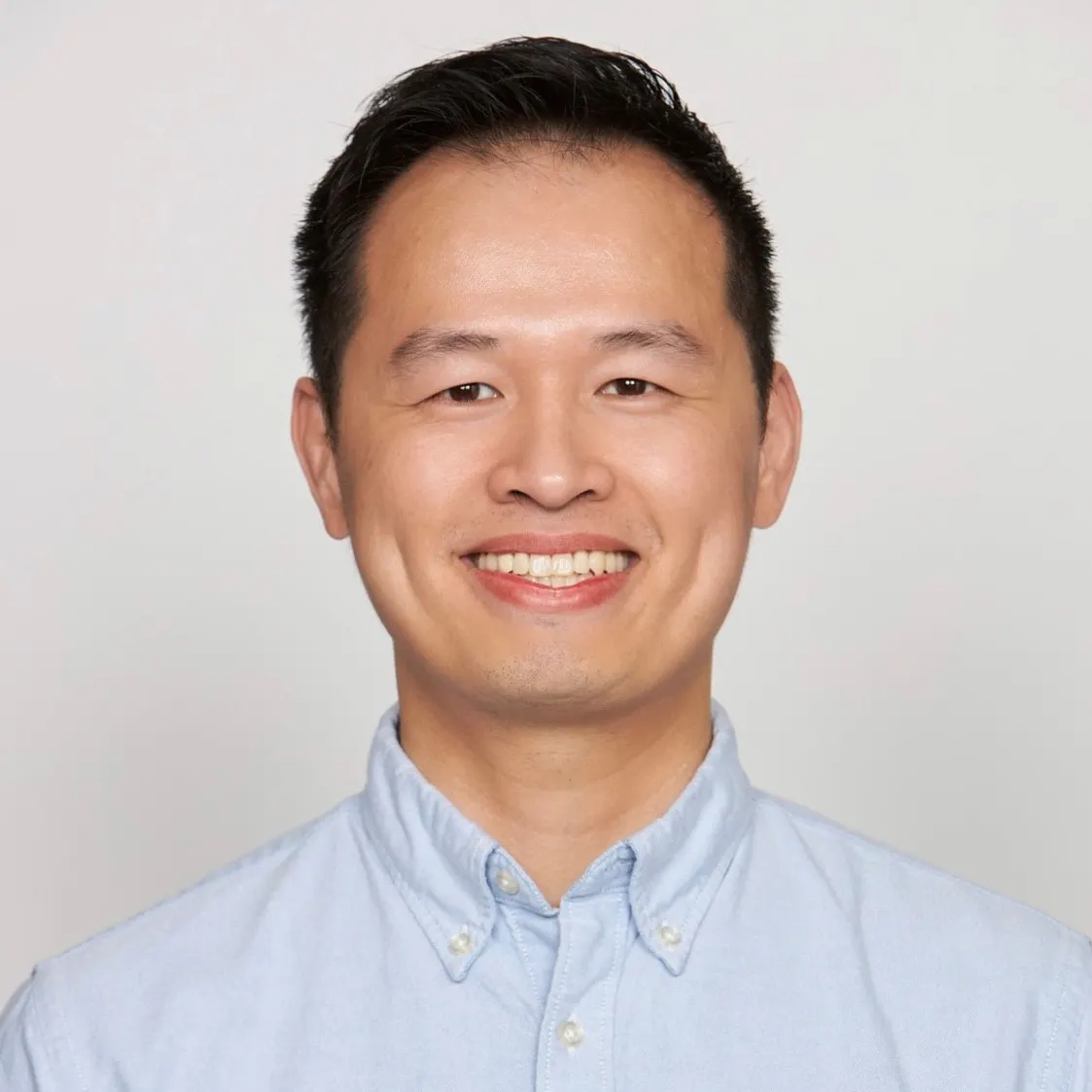
Optional Caption
Permission granted by Stephen Fong
Planet DDS
- Dental services software firm
- Year founded: 2003
- Number of employees: 300+
- Revenue: Surpassed $100M in annual recurring revenue and serves over 13,000 dental practices nationwide.
MORNING ROUTINE
Weekday wake-up time: Somewhere between 5 and 6 a.m. There’s a natural clock situation going on. Part of it is just how I’m wired, but a lot of it is practical: we’re a hybrid company with employees and board members on the East Coast, so mornings start early on the work side by necessity.
Morning beverage choice: Black coffee. No exceptions.
Non-work-related morning activities: I try to get a run in a few times a week, usually on weekdays when time allows, and more consistently on weekends. I also lift weights, though that happens more often at the end of the day. We have a gym at the office, so it’s easy to make it a bookend to the workday rather than the start of it.
Workday start time: Between 7:30 and 8:00 a.m.
How I usually spend the first hour of my day: I start by clearing emails to make sure nothing urgent came in overnight or at the tail end of the previous day. A lot of follow-through from conversations happens first thing in the morning, so I want to get those thoughts documented before they fade. From there, I do a mental pass across each of the functions I oversee: accounting, finance and FP&A, analytics and legal. I’m thinking about what each team needs from me, where feedback is required, and where things need to pick up pace. It’s less about a rigid checklist and more about making sure everything is moving.
Time I send out my first email: Realistically, I start my day around 8 a.m. A lot of internal communication runs through Teams these days, so the first message is often a response to an East Coast conversation that’s already a few hours old by the time I’m at my desk. I’m conscious about not pinging West Coast colleagues too early, but if someone on the East Coast reaches out, I’m happy to respond right away.
Best advice for writing an effective email: Think of the reader as someone navigating a map. Your job is to make the path as clear as possible. I probably spend more time than most people on organization: breaking things into sections, using bullet points, structuring the message so someone can get to what they need without having to search for it. Concise matters, but organized matters more.
First dashboard I review: It depends on what’s top of mind for the business. We have a robust KPI dashboard, and I’ll usually pull up my monthly financial package first to orient myself, then go deeper into whichever area is most relevant, whether that’s a specific product metric, a sales-related visualization the team has built out or something tied to the monthly close. Everything ultimately comes back to the P&L, so I’m always thinking about what moves the needle there.
How I structure my morning meetings: I’m pretty deliberate about the meetings I take. I get a lot of requests, so I try to filter carefully and make sure the right people are in the room. Time zones matter, and I try to be thoughtful about scheduling. I have standing one-on-ones with my direct reports, and we build agenda items before each one so we’re not wasting time. Anything more ad hoc gets scheduled based on urgency and workflow.
Mid-morning snack of choice: I tend to do an early lunch that doubles as a late breakfast, so I’m usually fasting through mid-morning outside of coffee. It keeps things simple.
What was a recent morning that didn’t go as planned, and how did you adjust? Fire drills are pretty much a weekly occurrence, at least once or twice. When something time-sensitive surfaces, I quickly run through what meetings I have that might be in conflict, figure out which workflow actually needs my presence first, and delegate where I can to make sure all bases are covered. The key is staying calm, triaging fast, and trusting your team to pick up what you can’t personally handle in that moment.
LEADERSHIP AND INSPIRATION
Favorite quote or mantra: “Strong opinions, held loosely.” It keeps me honest. You have to be willing to plant a flag, but you also have to stay open to being wrong. A close second: “In God we trust, all others must bring data.” That one covers about 90% of my daily operating philosophy.
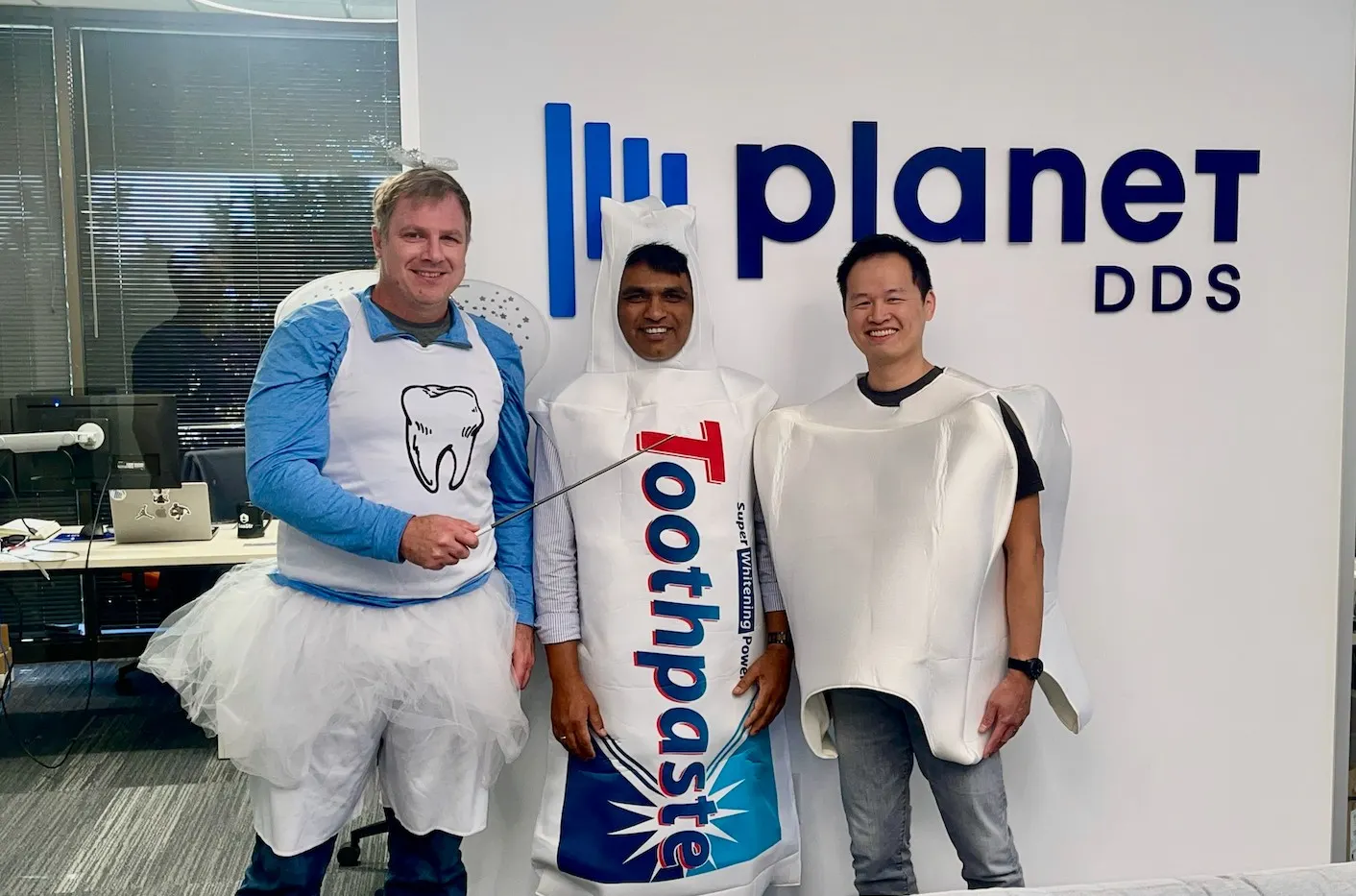
Halloween at the Planet DDS office.
Permission granted by Stephen Fong
Favorite leadership lesson: Leading by example. When you’re younger, leadership looks like someone in an ivory tower making high-level strategic calls. And there’s some of that. But when you actually get into the trenches and work alongside other executives, you realize it’s a lot more hands-on than the image suggests. The leaders I’ve respected most are the ones who do the work. I’ve heard it called servant leadership, but for me, it just means staying close to the problem and not asking your team to do anything you wouldn’t do yourself.
Something important to know about me that you wouldn’t know from my business bio: I’m a family person at my core. I have a son and a wife, and that grounds everything else. Outside of that, I love wine and collecting things. I’ll admit that’s a pretty cliché answer, but it’s the honest one.
Favorite number: Seven. It’s a lucky number, and I’ve never had a good reason to argue with that.
Most noteworthy items in my workspace: Sunblock. I’m in Southern California, so Supergoop is non-negotiable.
Do you have a pet, and are they with you right now? No pets, unless stuffed animals count. And no, they are not with me at the moment.
Favorite app on my phone that is not related to business: Reddit. Whether that counts as not business-related is debatable, but I’m going with it.
The year, make and model of your first car: 1985 Mercedes-Benz 300D Turbo Diesel. If you know, you know. It knocked. Loudly. You could hear it coming from across the block. Definitely not a subtle entrance.
Most influential or famous person you’ve ever met: I’ve been fortunate to meet a number of investors and executives over the years, but the one who stands out is Elon Musk. What struck me most was how deeply he leans into his own conviction and his ability to stay objective even when the consensus is pulling in a different direction. That kind of independence takes real discipline.
Most inspirational person in your life: My son. He’s taught me that success is not just about what I can achieve, but about what I can model and create for the next generation. That shift in perspective changes how you think about almost everything.