Ford Has New Plans for Lincoln, CEO Explains in New Interview
Ford Motor Co. CEO Jim Farley said the automaker’s decision to move production of its Lincoln Nautilus midsize SUV from China to the United States by the end of the decade was not made lightly. Two factors drove the decision: Ford plans to design all-new Lincoln vehicles in the next few years, and tariffs have made importing the vehicles more expensive.
Farley also said in an interview with the Detroit Free Press that improving quality at Ford’s U.S. manufacturing facilities made it a good time to make the move. On June 25, Ford ranked No. 1 among mainstream brands in J.D. Power’s Initial Quality Survey.
Analysts said the decision could give Ford a chance to relaunch Lincoln with a new lineup and attract buyers who have previously chosen other luxury brands.
Lincoln Production Is Moving to the United States
Ford announced Aug. 12 that, starting in 2030, it will increase production of Lincoln vehicles in the United States, creating thousands of jobs in the process. The move means Ford will stop importing the Nautilus, which it currently makes in China.
Farley declined to specify which U.S. plants would get the additional production or where the jobs would be located. He also declined to detail changes to Lincoln’s lineup beyond confirming that the company will design all-new vehicles in the next few years.
In the United States, Lincoln sells the midsize Nautilus and Aviator SUVs and the larger Navigator SUV. It discontinued the compact Corsair SUV and Ford Escape in December. Those vehicles had been built at Ford’s Louisville Assembly Plant in Kentucky, which Ford is retooling to produce an all-electric midsize pickup called Fathom early next year.
Ford currently builds the two-row Nautilus at its plant in Hangzhou, China, and sells it in North America and China. The company also builds the Lincoln Z midsize luxury sedan in China through its Changan Ford joint venture for sale only in China.
Tariffs Helped Drive the Decision
Farley said the production move took a year to decide and was shaped by the cost of developing an all-new lineup, retooling plants, securing suppliers and dealing with tariffs on vehicles imported from China.
In March 2025, the Trump administration imposed 25% tariffs on imported vehicles and car parts. Existing tariffs on Chinese exports meant the total tariff on some imports could exceed 50%. For Ford, total tariffs amounted to roughly $2 billion last year.
A tariff is a tax an importer pays to bring a product across a border. Higher import costs can affect automakers’ production decisions and, ultimately, the prices and availability of vehicles for consumers.
Ford began producing the Nautilus in China for North American sales because it once saved money to build one model for both markets. The vehicle remains Lincoln’s top seller. In the second quarter, Lincoln sold 10,505 Nautilus vehicles, up 6.4% from the same quarter a year earlier.
A Major Nautilus Redesign Is Coming
Farley said Ford is planning a “pretty major change” for the Nautilus, although he declined to provide detailed model information.
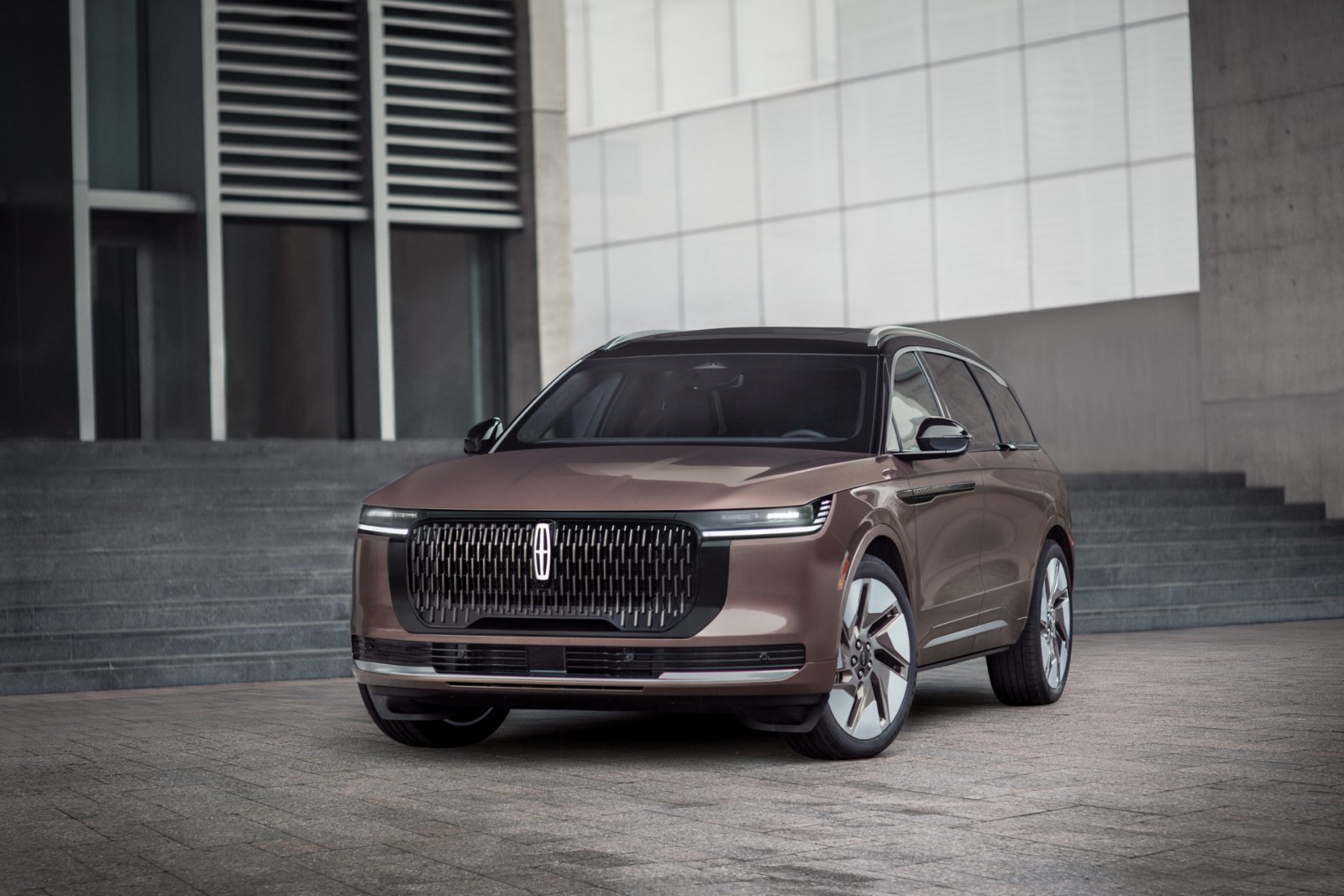
Ford’s Aug. 13 announcement about the 2027 Nautilus said the redesigned SUV will have a new front end, more personalization options and updated technology. It also will feature a more detailed grille, a redesigned hood and several wheel and exterior paint choices.
Farley said Ford’s improving quality at its North American plants also made it easier to localize production. He described that progress as significant but acknowledged that maintaining quality is an ongoing process.
Jamie L. LaReau is the senior autos writer for USA TODAY Co. who covers Ford Motor Co. for the Detroit Free Press. Contact her at [email protected].