Bill Ackman Put 4.9% of Pershing Square USA Into the Netflix Trade That Cost Him $400 Million in 2022
Bill Ackman is back in Netflix (NFLX -0.10%). His hedge fund, Pershing Square Capital Management, disclosed a position of 3.15 million shares in its Pershing Square USA fund’s semiannual report, released Wednesday evening — a stake amounting to about 4.9% of that fund’s portfolio as of June 30.
Netflix shares rose more than 5% on Thursday following the news.
The disclosure is more interesting than the usual hedge fund filing because Ackman has been here before. Pershing Square put more than $1 billion into Netflix in early 2022 — and sold the entire stake about three months later, locking in a loss of more than $400 million.
So, what does he see now that he didn’t see then? The answer says as much about Netflix as it does about Ackman.
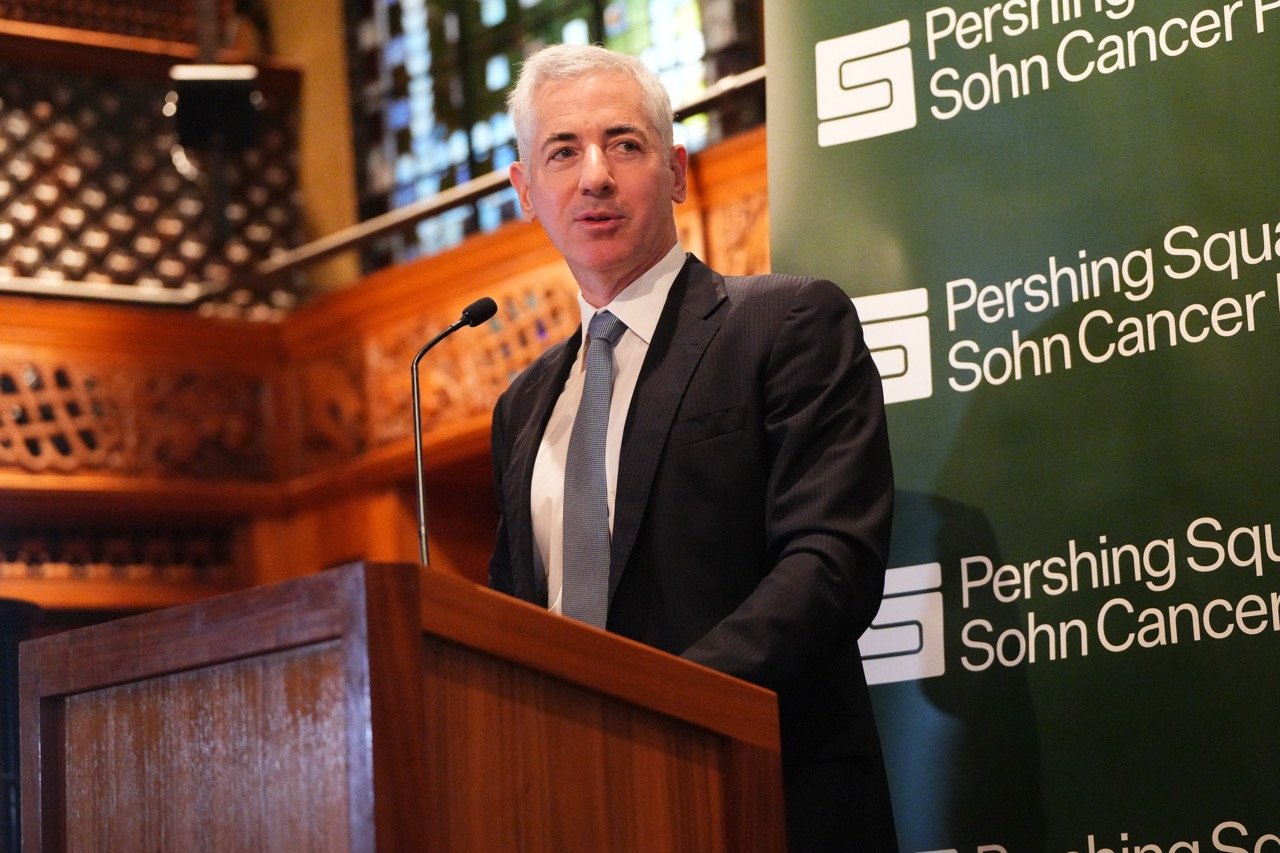
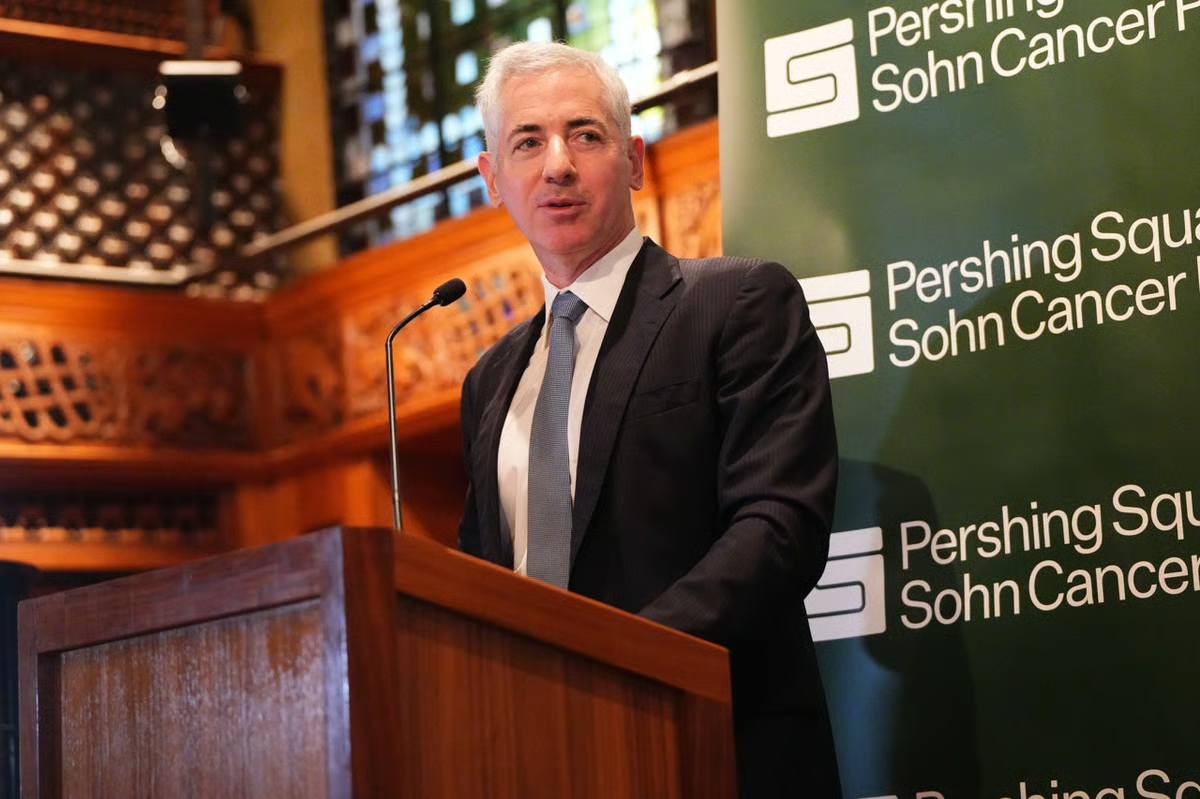
Bill Ackman. Image source: Getty Images.
A quick exit in 2022
The 2022 trade went wrong almost immediately. Shortly after Pershing Square started buying, Netflix reported its first subscriber decline in more than a decade, and the stock plunged. Ackman didn’t wait around. He said at the time that the company’s plans to change its business model — a cheaper ad-supported tier among them — had made Netflix’s future too difficult to predict with enough certainty.
Pershing Square sold in April 2022. And the changes that pushed Ackman out are the very things carrying Netflix’s business today.
The business is different this time
The streaming service‘s second-quarter revenue rose 13.4% year over year to $12.6 billion, and its operating margin was 33.4%. Management expects a 31.5% operating margin for the full year, up from 29.5% in 2025. Its forecast implies annual operating income growth of more than 20%.
And that advertising business Ackman once saw as a source of uncertainty? Netflix expects it to roughly double this year, to about $3 billion in revenue.
Pershing Square’s report frames the company as the winner of a long, expensive fight. Netflix has “effectively won the streaming wars,” the firm said, pointing to more than 325 million subscribers — well ahead of Disney+ and HBO Max, by the firm’s count. Scale like that lets Netflix spend heavily on programming while spreading the cost across a much larger audience than any rival can.
The firm also spelled out the record behind its conviction. Over the past five years, by Pershing Square’s accounting, Netflix grew revenue 12%, operating profit 21%, and earnings per share 27% annually — while its cash spending on content grew just 2% a year.

Today’s Change
(-0.10%) $-0.08
Current Price
$78.16
Key Data Points
Market Cap
Day’s Range
$77.76 – $78.73
52wk Range
$65.08 – $126.71
Volume
26.8M
Avg Vol
42.7M
Gross Margin
49.53%
Why is the stock down 38%?
As of this writing, Netflix shares trade around $78 — about 38% below their 52-week high of $126.71. A big reason is decelerating growth. Netflix’s revenue rose 16.2% year over year in the first quarter and 13.4% in the second, and management guided for 11.7% growth in the third. For a stock that spent years priced like a company that could grow quickly indefinitely, each step down has been expensive.
But the sell-off has also done much of Ackman’s work for him. Netflix now trades at about 25 times earnings and 23 times forward earnings.
“We believe the company’s current valuation multiple represents a substantial discount for a business with such a strong growth profile and dominant market position,” the firm said in its report.
In other words, Ackman paid up in 2022 for a business whose growth was stalling. This time, he’s paying far less for a business growing 13% with expanding margins and an ad business just hitting its stride.
Of course, the deceleration that knocked the stock down is the risk that comes with it. If revenue growth keeps stepping down toward single digits, today’s valuation could stop looking like a discount.
To me, the engagement figures are the more convincing detail in the bull case. Netflix members watched more than 97 billion hours of programming in the first half of 2026, up 2% year over year. That may sound modest, but it’s a slight acceleration from 2025’s pace, and it came despite competition from the Winter Olympics and the World Cup. In total, people aren’t watching less. Investors are just no longer willing to pay what they once did for that attention.
The trade Ackman abandoned in 2022 was a bet on a company in the middle of reinventing its model. The position he built this spring is a bet on the reinvented company itself, at a much lower price than the market put on it a year ago. Whether it works likely comes down to how long that double-digit growth holds up.