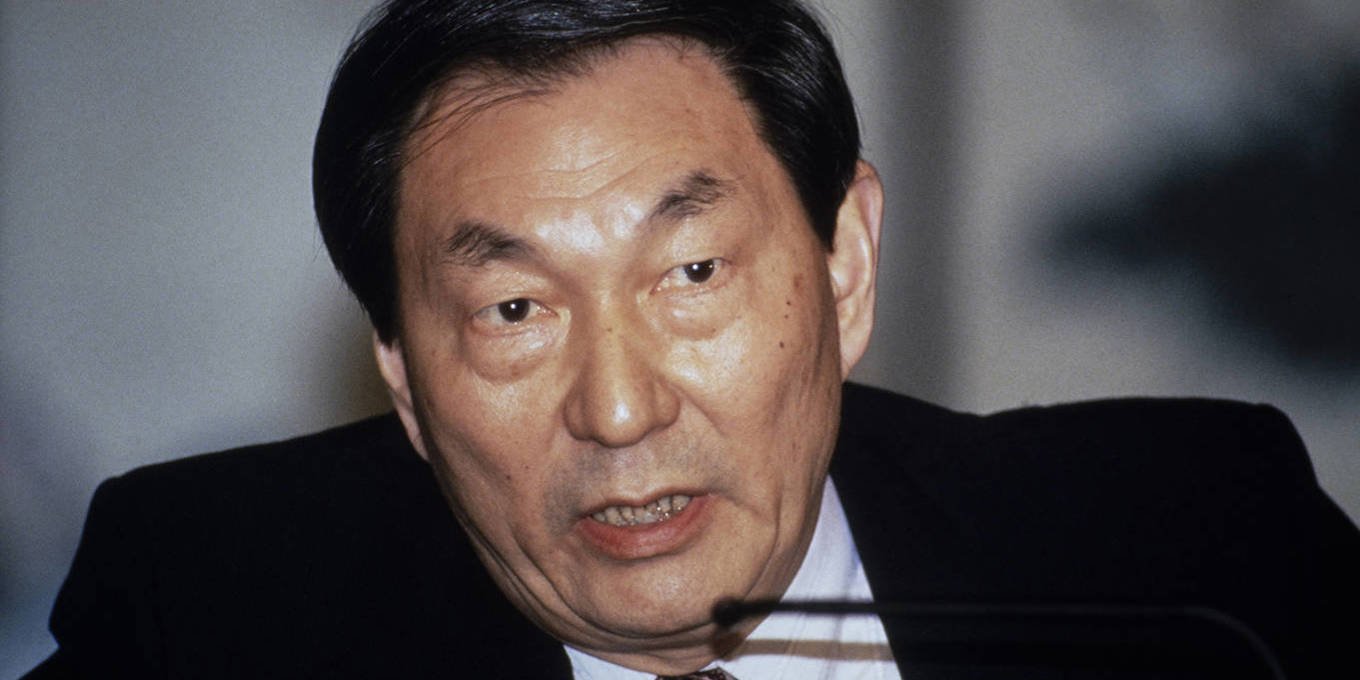
Zhu Rongji’s Legacy of Demographic Decline by Yi Fuxian
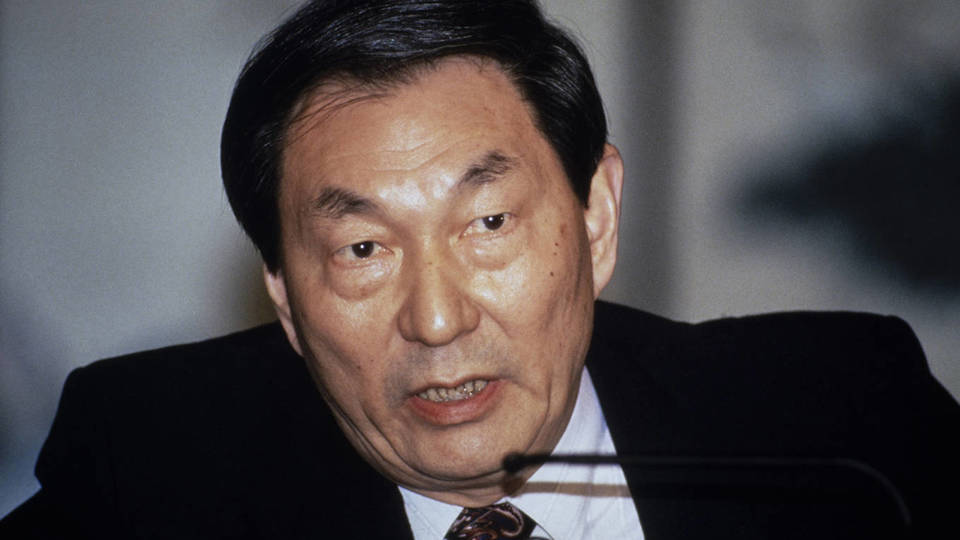
Former Chinese Premier Zhu Rongji’s recent death elicited widespread accolades for his role in pushing the market-oriented reforms that unleashed decades of economic growth. But Zhu also oversaw two major policy shifts that have had dire implications for China’s demographic outlook.






MADISON—Following former Chinese Premier Zhu Rongji’s recent death at the age of 97, homages poured in for a man widely credited with championing the market-oriented reforms that drove decades of rapid economic growth. Yet the two most emblematic reforms of his tenure, a 1994 tax-sharing policy and China’s 2001 accession to the World Trade Organization, did not only fuel robust growth. They also reshaped and partly distorted China’s economic structure and the global economy more broadly, with profound and lasting implications for the country’s political and demographic outlook.