‘Slow Showers’ Are the Antidote to Bathtub Guilt
For decades, the shower has been seen as a quick, functional part of our morning routine. Hop in, a quick blast of water, and then out to get dressed and ready for the day in record time.
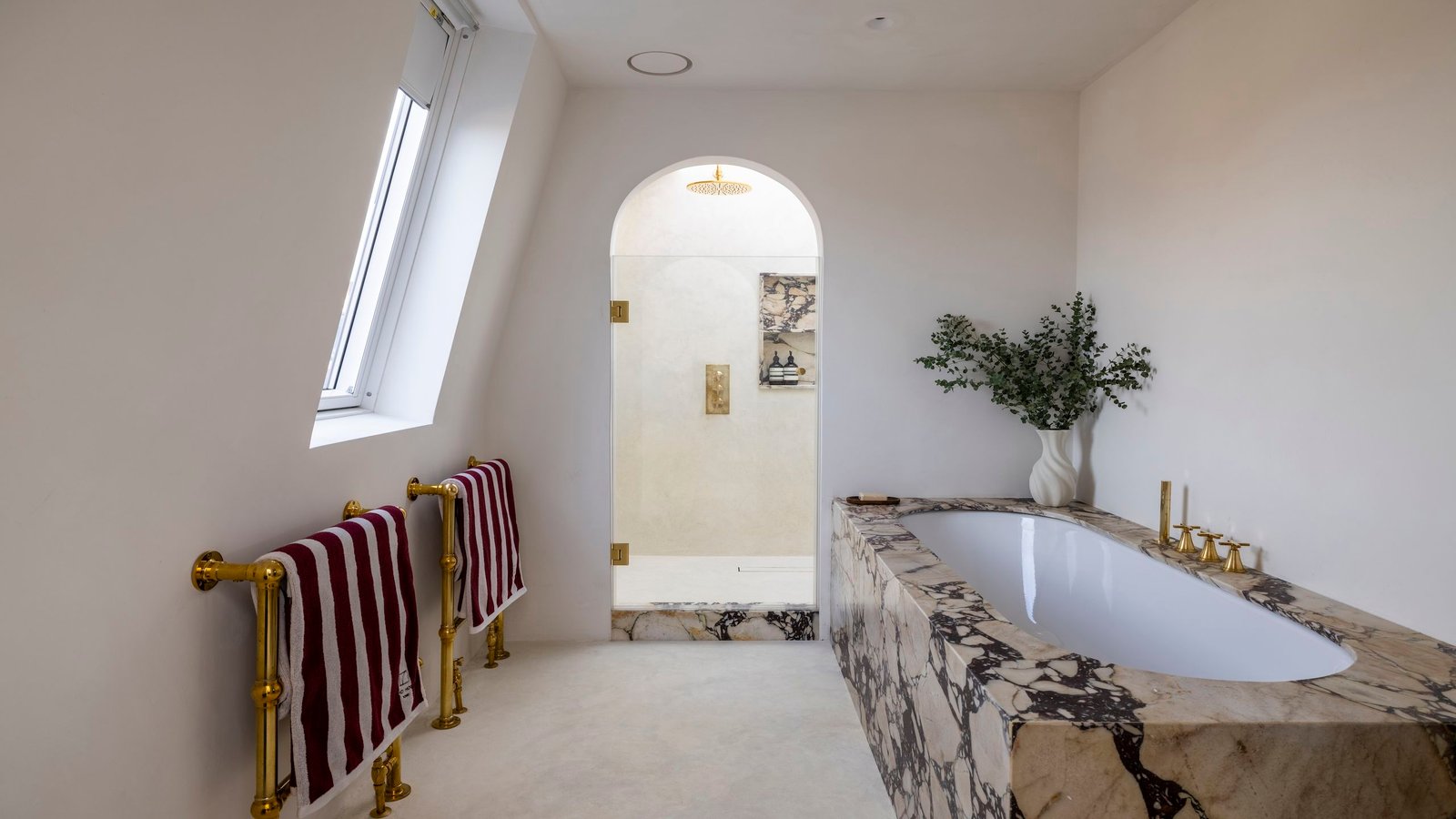
However, using the bathtub is subject to a guilt trip in today’s world. Not only because it’s much more water-intensive than taking a shower, almost regardless of length, but there’s a growing ‘anti-hygiene’ rhetoric surrounding the bathtub, and the idea of sitting in dirty bathwater being, actually, less romantic and relaxing than we once imagined.
Enter the rise of the ‘slow shower’, a morning routine that’s a little less frantic and a lot more mindful. And with that, walk-in shower ideas and relaxed bathroom rituals are on the up, say designers.
Latest Videos FromLivingetc
What Exactly Is a ‘Slow Shower’?
In a nutshell, showers are now being designed for calm, lingering moments, instead of a place to rush through a morning routine. Much like our baths are a key part of our wellness ritual, the slow shower is following suit as a place of restoration rather than simply a functional fixture.
“Popular self-care rituals such as the ‘everything shower’, alongside growing interest in at-home wellness, reflect a wider shift towards bathrooms becoming spaces for restoration rather than simply places to get ready,” explains Connor Warren, a design consultant at bathroom design studio Ripples. “And that’s reflected in shower design, with larger, walk-in spaces, multiple water outlets, built-in seating, warm materials and softer lighting all helping to turn an everyday shower into a more immersive experience.”
So how to transform a rushed morning shower routine into a relaxed daily ritual? I’ve asked the experts for their top tips, and here’s what they say.
1. Choose a Walk-in Shower

“A beautifully designed shower, with great water pressure and tactile materials, can feel every bit as restorative as a long soak, if not more,” says Louise Ashdown at West One Bathrooms.
(Image credit: Daniëlle Siobhan. Design: Aurélie Penneman de Bosscheyde. Stylist: Collected Studio)
Slow morning bathroom rituals don’t need a big built-in bathtub to relax in. And when planned properly, a generous walk-in shower can feel just as calm and luxurious, even in modest-sized bathrooms.
“One of the biggest shifts we’re seeing is the move towards larger walk-in showers and wet room-style spaces,” says Connor. “A flush-to-floor shower creates a seamless feel, while frameless glass can help a room feel more open.”
Removing any visual barriers within your shower lets materials like stone-effect porcelain and textured tiles flow throughout the space. So you’ll get a more cohesive and spa-like environment and a more mindful morning.
If space allows, add a built-in shower bench to create a more comfortable spot while applying treatments or taking a moment to pause before the day ahead begins.
And built-in shower niches keep toiletries neatly organized and to hand (rather than jostling around on the shower floor) for a calm and considered mood.
But if you’ve already installed your shower, you could try a small table on legs (as shown in this image) to stand your lotions and potions. Choose waterproof materials if possible.
Connor Warren
Connor is a bathroom designer at the Beaconsfield branch of Ripples, with four years in the industry. For Connor, great bathroom design starts with listening to the different needs, routines and priorities of each client.
2. Plan for a Sensory Experience

“Clients are increasingly asking for features that encourage them to pause,” says New York interior designer, Vanessa Katzen, “including handheld showers, generous niches, steam and materials that feel tactile rather than clinical.”
(Image credit: West One Bathrooms)
The wellness benefits of a spa day are hard to beat for that refreshed and relaxed feeling. You come away from the warm, scent-filled space feeling recharged and ready to face the world.
And the rise of the ‘slow shower’ follows that same ethos, encouraging us to slow down and start the day in a more considered and connected way.
That’s why wellness technology in our own homes is on the increase too. If you have the budget, a steam shower delivers intense wet heat at nearly 100% humidity for a spa-like treat. Benefits include opening airways, relieving congestion, and opening pores.
Generous rainfall showers can provide a softer, cocooning flow while multifunction handsets offer a range of shower patterns. And a good thermostatic control that locks in the right temperature within seconds is key.
But creating a shower routine that feels relaxed and mindful doesn’t mean packing your bathroom with the latest technology — far from it.
“Acoustics softened by textiles, subtle natural fragrance and humidity-loving plants all contribute to a sense of completeness,” says Nick Cryer founder of Berkeley Place. “These elements should never compete for attention; they work collectively, creating an environment that feels instinctively calm without announcing itself.”
Underfloor heating, a heated towel rail and a nearby stool stashed with fluffy towels can all make stepping in and out of the shower feel like a real treat.
We’re starting to feel relaxed already…
Nick is founder of Berkeley Place, a high-end, residential property renovation company with locations in Bristol, Bath and London and particular expertise in restoring and remodelling period and listed buildings.
3. Switch on to Layered Lighting

“A skylight over the shower can change the entire emotional temperature of the room before a single drop of water falls,” says John Maloney McNamara, founder and principal designer at Coosa.
(Image credit: Project London)
Bathroom lighting has that incredible power to make us feel relaxed. And for the ‘slow shower’, warm, dimmable lighting creates a more relaxed environment, whether that’s a morning shower ritual or unwinding at the end of the day.
Yes your bathroom still needs bright task lighting for getting ready. But like the rest of the house, the answer is a layered lighting scheme. In basic terms, this is a range of different light sources installed at different levels that work in tandem with natural daylight to create a gentle progression from rest to wakefulness.
“Harsh overhead lighting can make a bathroom feel clinical, so introduce layered lighting wherever possible,” says Waleed Shahid of Royal Bathrooms. “Warm wall lights, illuminated mirrors or dimmable fittings can create a gentler atmosphere, particularly during darker mornings. Lighting should still be practical, but it does not need to feel stark.”
One easy switch that Mara Rypacek Miller, founder of Industville, suggests is to replace a clear glass shade with a warmer, smoked amber finish. It can introduce depth and character, while textured glass helps gently diffuse light and reduce harsh glare.
Remember, any light fitting or fixture you use in the bathroom needs to be IP-rated for safe use around water.
4. Reduce Clutter

“Storage isn’t just nice to have in a bathroom, it’s a necessity” says Sophie Chapman, associate and interior designer at The Vawdrey House. “A well-organized space will have a direct impact on how you feel and clutter will undermine calm.”
(Image credit: 82mm Photography. Design: The Vawdrey House)
You know the saying, a clear space equals a clear mind.
And a calm, mindful morning that allows you to slow down is much harder to achieve when bottles, towels and everyday essentials clutter up every bathroom surface.
That’s why well-designed bathroom storage is one of the most important elements for the slow shower routine. Choose built-in vanity units to conceal all your shower essentials when you don’t need them.
And for the shower itself, a neat shower caddy or rack can free up floors and trays.
“Built-in niches keep shampoos, treatments and body products within easy reach without covering the floor or shower tray with bottles,” says Connor at Ripples. “A well designed niche can also become an architectural feature, especially when finished in a complementary tile.”
As the experts say, good bathroom storage allows you to focus less on the practicalities of tidying up and finding stuff and more on enjoying the shower experience.
5. Use Feel-Good Materials

Tiles with a gentle texture that reflect the light feel warm and cocooning
(Image credit: Baked Tiles)
Stark white bathrooms and crisp tiles are fresh and hygienic, yes. However you might not feel calm and relaxed with everything so spotless and super shiny.
Instead, choose gently-textured tiles and nature-inspired materials such as stone, warm timber and soft brushed metals.
“They invite touch, develop character with age and offer a quieter expression of luxury,” adds Nick at Berkeley Place. “Increasingly, homeowners are seeking interiors that feel authentic rather than immaculate; spaces that acquire a gentle patina instead of demanding constant perfection.”
Don’t forget, wood-look furniture and stone-effect tiles are really practical options that will still soften the overall bathroom mood.
6. Choose Warm, Earthy Colors

Earthy hues such as deep green, chocolate, terracotta, sand and putty are a good choice for the ‘slow shower’
(Image credit: Hyperion Tiles)
Colors that suit slower mornings should be soft, earthy and warm. Because all white walls and floors tend to give off a clinical, ‘don’t-linger-too-long’ mood (for fear of everything getting a bit dirty!)
Jo Wilkinson, design lead at West One Bathrooms suggests nature-inspired hues such as khaki, rich brown and olive green.
“I’m naturally drawn to blues and greens for their tranquil quality, alongside rich reds and earthy, grounding tones,” says Saskia Blyth, founder and creative director of Blyth-Collinson Interiors. “One of my favorite paints is Edward Bulmer’s Jonquil – a warm dusty pink that fills a room with optimism and creates a welcoming atmosphere for a more mindful start to the day.”

Saskia Blyth is the founder and creative force behind Blyth-Collinson Interiors, a boutique London-based interior design studio specialising in elegant, characterful, and highly individual interiors.

Bed Threads
Espresso 100% Cotton Bath Towels
A bundle of plush, 100% cotton bath towels in a deep chocolate hue will make your bathroom feel like a luxury spa experience.

Nkuku
Itan Recycled Glass Tiered Pendant – Amber
This tiered pendant in recycled amber glass will cast a warm glow over your bathroom. Make sure your existing light fitting is IP-rated

Neptune
Arbroath Jute Laundry Basket
Throw wet towels in this natural jute laundry basket for a calm and uncluttered bathroom
Calm, atmospheric design choices naturally make us want to linger longer in the slow shower. But how do we justify longer showers, which potentially use more of the earth’s precious water supply? Luckily, today’s showers are equipped with a range of eco-friendly features so you can immerse yourself in the shower without feeling guilty. “Low-flow rain heads now inject air into the water stream, so a fraction of the gallons still feels like standing under a real downpour,” says John at Coosa.
For more inspiration, sign up to the Livingetc newsletter, and for help designing your own mindful showering space, why not book a Style consultation with Design Lab by Livingetc?