Flash Flooding Preparedness: 8 Ways to Protect Your Home
Imagine tens of thousands of gallons of fast-moving water arriving with little or no warning. Flash floods surges typically happen after heavy storms or rapid winter thaws; they overwhelm the normal capacities of rivers, streams, and man-made containment systems like levees. Within hours roads are impassable, trees are uprooted, power lines are down, and bridges could be out.
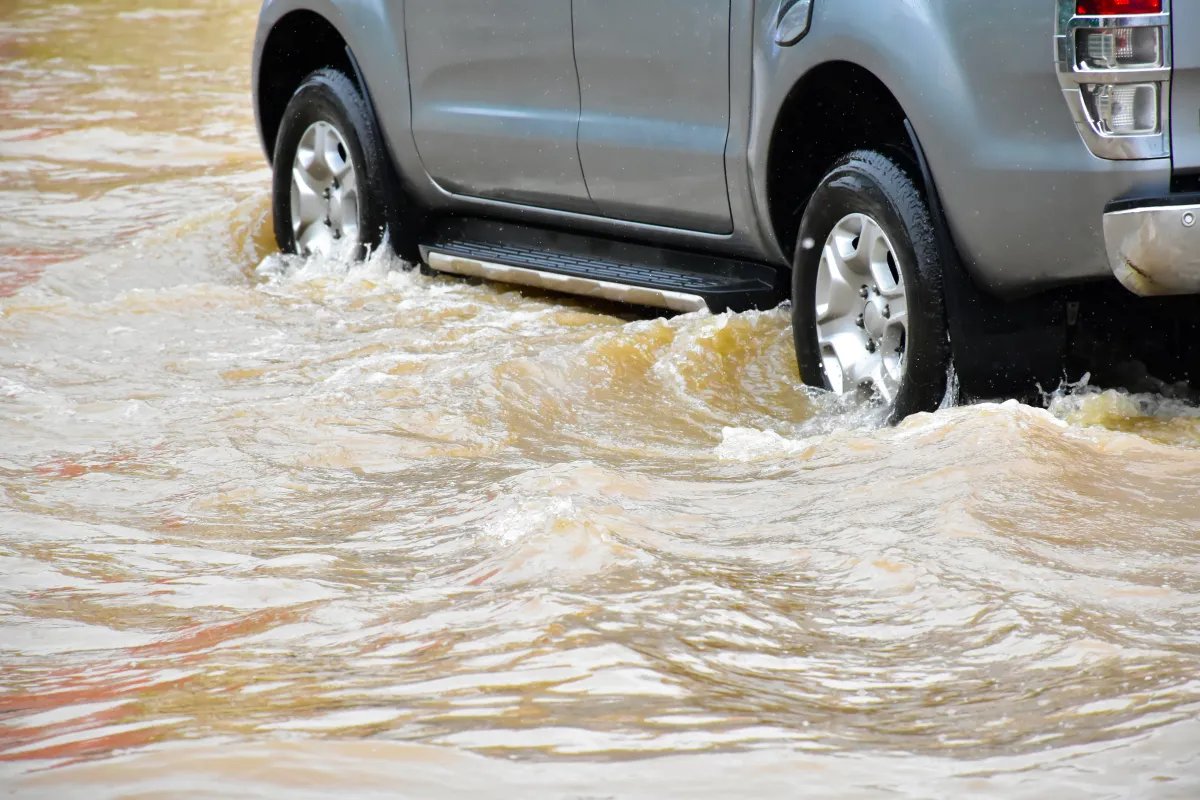
People frequently underestimate how dangerous flash floods really are. According to the National Weather Service, just 6 inches of flood water can knock you off your feet, and as few as 12 inches can move your car. The NWS says an average of 88 people die every year due to flash flooding, more than are killed by hurricanes, lightning, or tornadoes.
Our quick guide is designed to help you and your family prepare for flash floods, and be in the best possible position to recover quickly once the threat has passed.
1. Subscribe to extreme weather alerts.
What causes floods can vary tremendously: In cold regions, rivers dammed by winter ice can suddenly release huge amounts of water. Some states are subject to frequent thunderstorms or tornadoes. The Federal Emergency Management Agency (FEMA) website helps answer the question of where do floods occur in a particular area.
How can you get news about flash flood warnings? Start here:
• The Federal Communications Commission (FCC) sends geographically targeted Wireless Emergency Alerts (WEAs) to compatible mobile devices. The good news is that the a are delivered to you automatically if your wireless carrier offers the service.
• The National Weather Service lists active alerts on its website. We also recommend following NWS on Twitter or Facebook, and enabling notifications.
• Regional TV and radio stations broadcast severe weather warnings, and you may be able to sign up for alerts from your local weather authority.
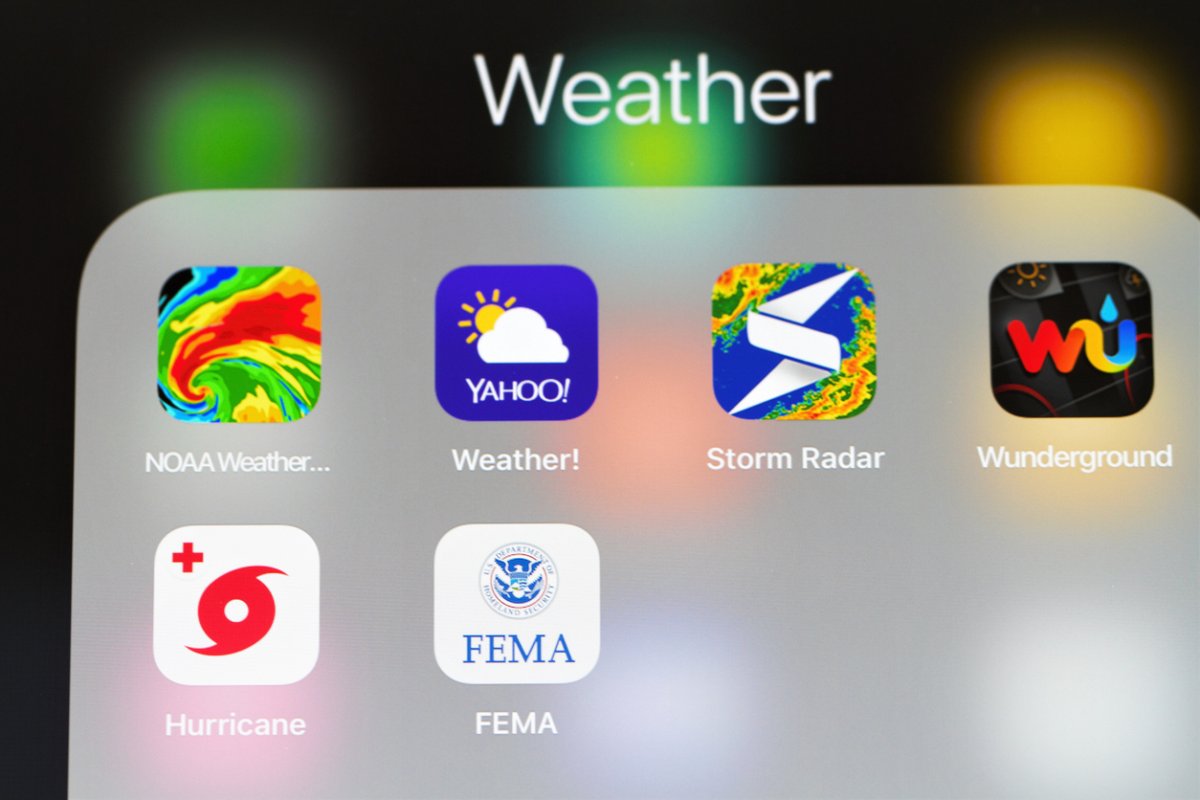
• Download smartphone apps that can send you weather warnings and bulletins, including:
- The American Red Cross’s Emergency: Alerts app (on Apple or Android) allows for live tracking of weather hazards
- The National Oceanic and Atmospheric Administration (NOAA)‘s Clime weather app isn’t free, but tracks everything from lightning strikes to minute-by-minute participation
- Accuweather‘s app, which offers live radar and local alerts
RELATED: The 9 Best Emergency Radios—No Electricity, No Wifi, No Cell Service Needed
2. Create and share an emergency plan.

In all likelihood, when you get a flash flood warning you will have a few hours at most to react. If you are unprepared, stress can seriously hamper your ability to process information properly. As a result you are more likely to make errors, and that can make a bad situation worse.
So that you can best be prepared in the event of a flash flood warning, it’s a good idea to create an emergency plan in advance, and make sure all family members understand their role in it. Prioritize the safety of people and pets before property. It can actually be fun to run practice drills, especially if you have a nice reward for participants afterward.
3. Heed first responders’ instructions.
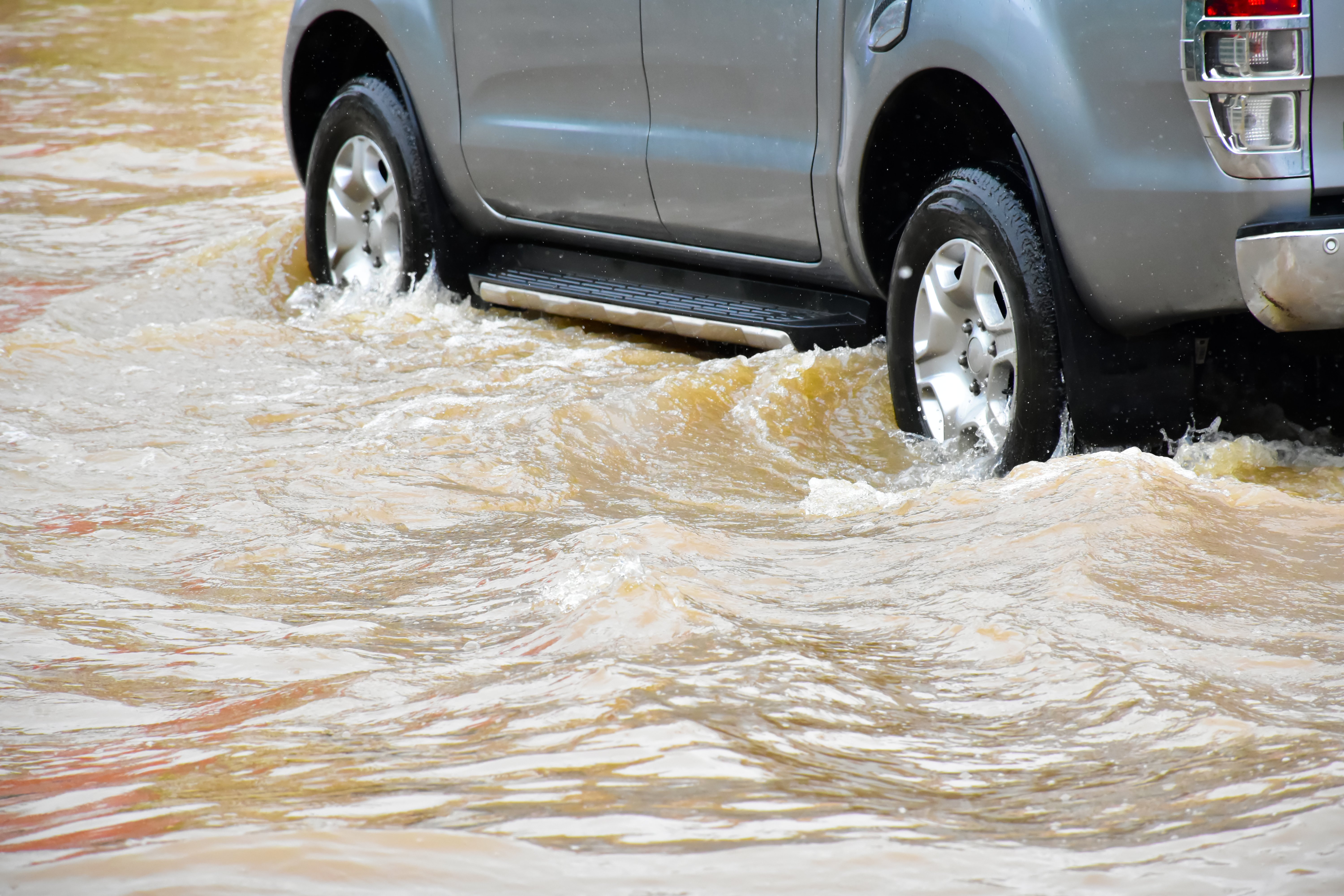
If flooding is imminent, it might be tempting to consider an escape but if first responders advise staying put, they are doing so for good reason. The National Weather Service advises “turn around, don’t drown” as a warning against venturing out in flood water. Even minor rain floods can hide sharp debris or pollutants, and downed power lines present a danger of electrocution. Of course if you are advised to evacuate, you should do so immediately.
If you are caught in your vehicle during a flash flood, the American Safety Council advises that you get out of the vehicle if you can and seek higher ground because 6 inches of flood water is enough to cause you to lose control of your vehicle (or knock you to the ground, if you are standing in the water). Never move warning barricades set out by first responders; they are there to protect against hidden dangers.
4. Keep an emergency kit on hand.
Flash floods frequently cause power outages. The outage may be isolated to your own property, but it’s certainly not safe to check the breaker box when there’s flooding. In fact it’s recommended not to use electrical devices at all.
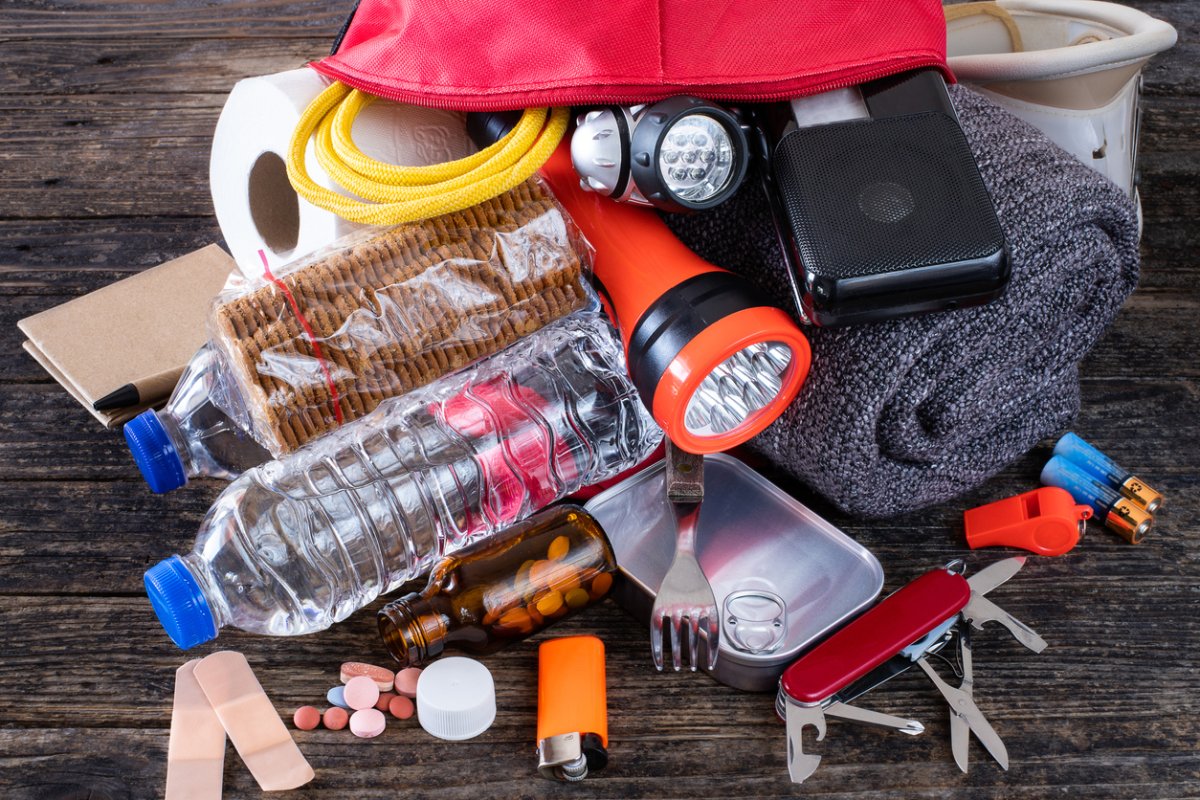
Whether for floods, hurricanes, or any other emergencies, every household should have survival essentials at the ready to weather the storm. Your survival kit should contain some way of providing light. While most phones have a flashlight function, it is best to save battery power for emergency communications. Candles and matches are portable enough to store in case of an emergency, but they pose a fire hazard. Battery-powered LED lanterns and flashlights are safer and more efficient.
Many homeowners already have a first aid kit in their home, but it’s something that you should add to your inventory right away if you don’t have one. Be sure to keep plenty of high-energy food bars can be stored in an airtight container. Don’t forget to include plenty of drinking water—the Red Cross recommends a gallon per person per day—as the municipal supply might be compromised.
Best LED Lantern
Lepro LE Super Bright LED Camping Lantern
Lepro’s camping lantern is 1000 lumens and can last 12 hours on a single charge. Read the review.
Photo: Amazon
5. Clear rain gutters and downspouts.
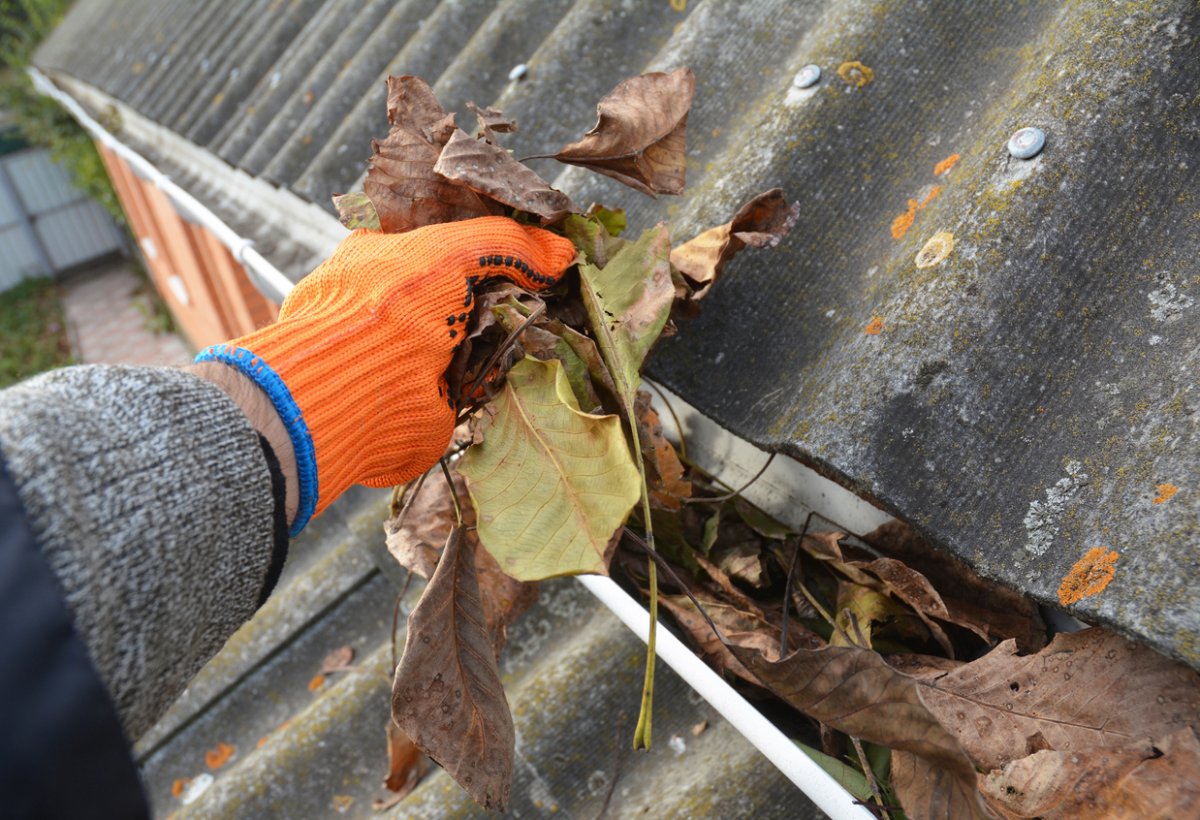
People often picture a flash flood as a mass of water that’s rushing down the road or boiling out of sewers. The truth is that flash flooding can simply be the result of an overwhelming amount of rain in a short period of time. Cleaning your home’s gutters and downspouts isn’t anyone’s favorite job, but this can be very effective at moving water away from the immediate vicinity. If rainwater just pours over the edge because of blockages, the likely destination is the basement.
6. Maintain the sump pump.

Because water runs downhill, your basement will likely bear the brunt of the damage in the event that your property floods. A sump pump may not be able to handle the sheer volume of water from a flash flood. If the sump pump is properly maintained, though, it should go on pumping away as long as there is power connected, and eventually it will return things to normal. If the sump pump is neglected, you’ll likely need wet/dry vacuums, mops, and buckets to clean up.
Best Shop Vaccum
Ridgid 12-Gallon 5.0 Peak HP NXT Wet/Dry Shop Vacuum
We like that Ridgid’s 12-gallon shop vacuum has a 15-foot cord, and a drain plug to empty the vac without tipping it. Read the review.
Photo: The Home Depot
7. Move items in the basement to higher ground.
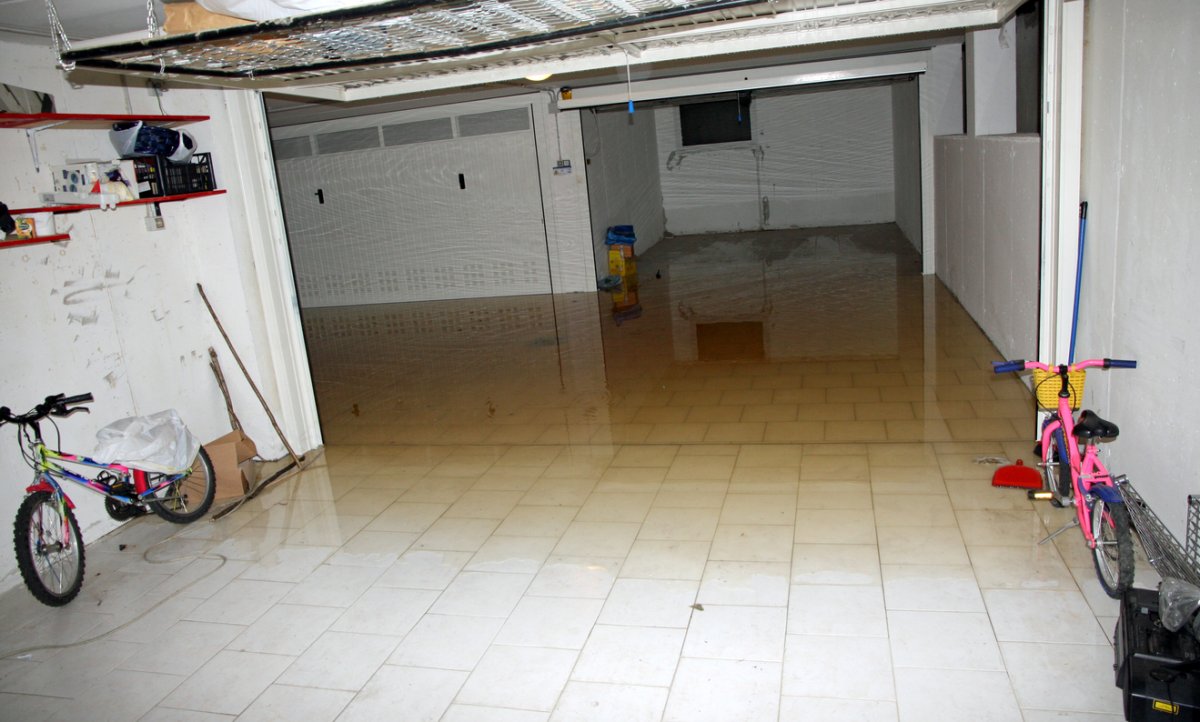
If you live in an area with a moderate to high flood risk, think about the current contents of your basement. Are items likely to withstand basement flooding, and sitting in water for hours or days afterward? If they aren’t, consider moving them to a higher location, such as a loft, or storing them on steel shelving in a shed or garage. Raising your household items just a couple of feet above ground level will prevent damage much of the time.
8. Create a home inventory for insurance—and determine if flood insurance is right for you.

Most standard homeowners insurance policies do not cover flood damage. Those who live in high-risk areas in particular should think about adding additional coverage. According to FEMA, just 1 inch of flood water can cause $25,000 of damage inside a home.
Whatever kind of insurance you have on your home and its contents, it’s always a good idea to have a written and photographic home inventory of the property itself and things like kitchen appliances, TVs and music equipment, and furniture. If you haven’t already put a detailed inventory together, spend some time today taking smartphone videos of every room of your home. Record any details you can remember about makes and models of electronics and furniture, along with purchase prices, dates, and where you purchased the items.
What to Do After a Flood
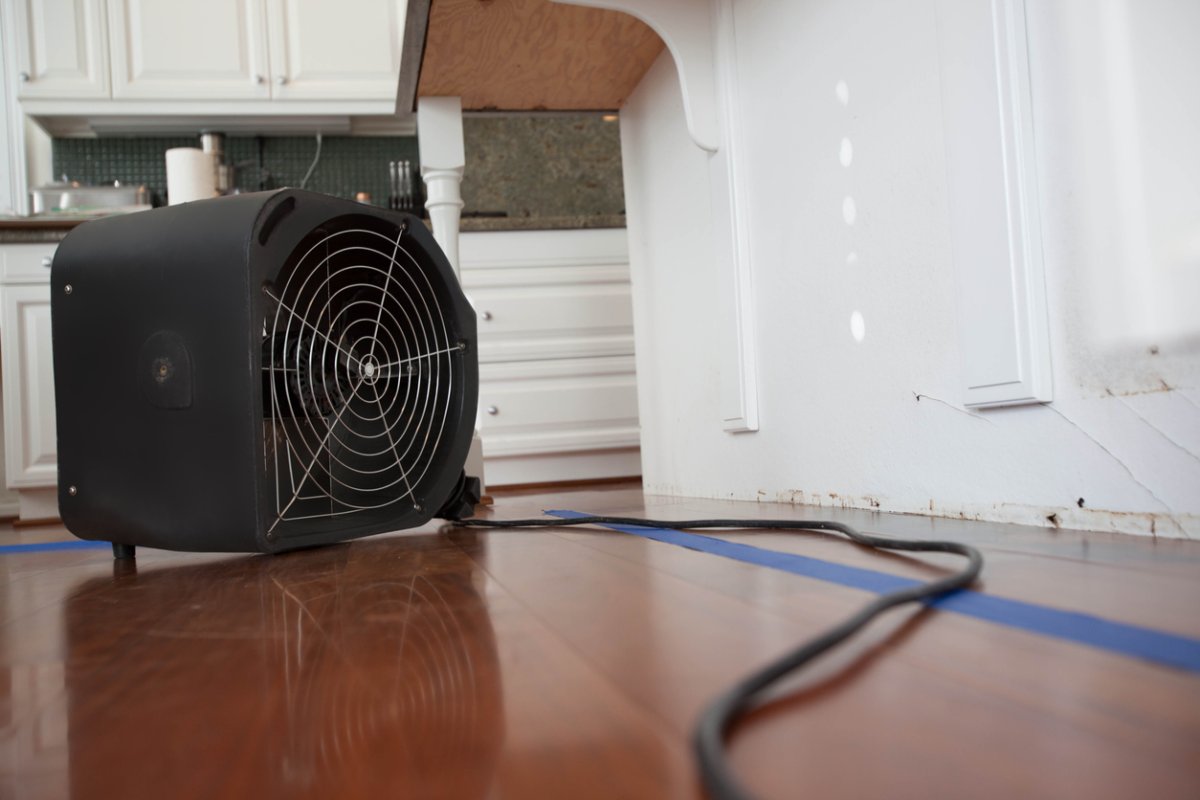
If flooding impacts your home, follow these flood cleanup tips to keep your family safe and healthy:
• If you have been evacuated from your home, return to your home only when local officials advise you to do so. Safety is the top priority.
• If your power is out, consult the utility company about next steps. Do not attempt to test or restart your electrical system yourself.
• Dispose of any food that’s been in contact with flood water.
• Sanitize floors and hard surfaces with a bleach-based product, or with bleach diluted with water.
• Have soft furnishings and carpets professionally cleaned, if they can be salvaged at all. Mold and fungus will not only cause damage, they can also present significant health hazards.
• Ventilate and dry your home to discourage mold growth. Run floor fans, box fans, bathroom and range hood fans—anything to get the air moving.
• Consult a water damage restoration professional if you believe that the cleanup is more extensive than you can DIY yourself.

After Testing 20 Air Purifiers, We Found One That Does Something the Rest Can’t