Oura Ring Doesn’t Accurately Measure Sleep Quality, Lawsuit Says
Oura rings oversell their ability to track a wearer’s sleep, a new class-action lawsuit alleges.
Many Americans struggle with sleep. Oura rings promise to help people measure the length and quality of their sleep, along with WHOOP bracelets, Apple Watches and other wearable devices.
Sleep “has become a major health priority for American consumers,” says the lawsuit, filed Aug. 20 in U.S. District Court in California. Oura sits at the center of a nearly $7 billion sleep-tracking market, the complaint says.
Oura promotes its smart ring as a 24/7 wellness companion capable of tracking sleep and daily physical activity. The company says the ring collects health metrics and insights, including sleep information.
Lawsuit Challenges Oura’s Sleep Claims
The lawsuit alleges that Oura touts benefits its ring cannot deliver. The San Francisco-based smart-ring firm responded: “We dispute the allegations in this complaint and intend to defend against them.”
According to the suit, Oura has marketed its rings as capable of measuring not just how long you sleep, but how well.
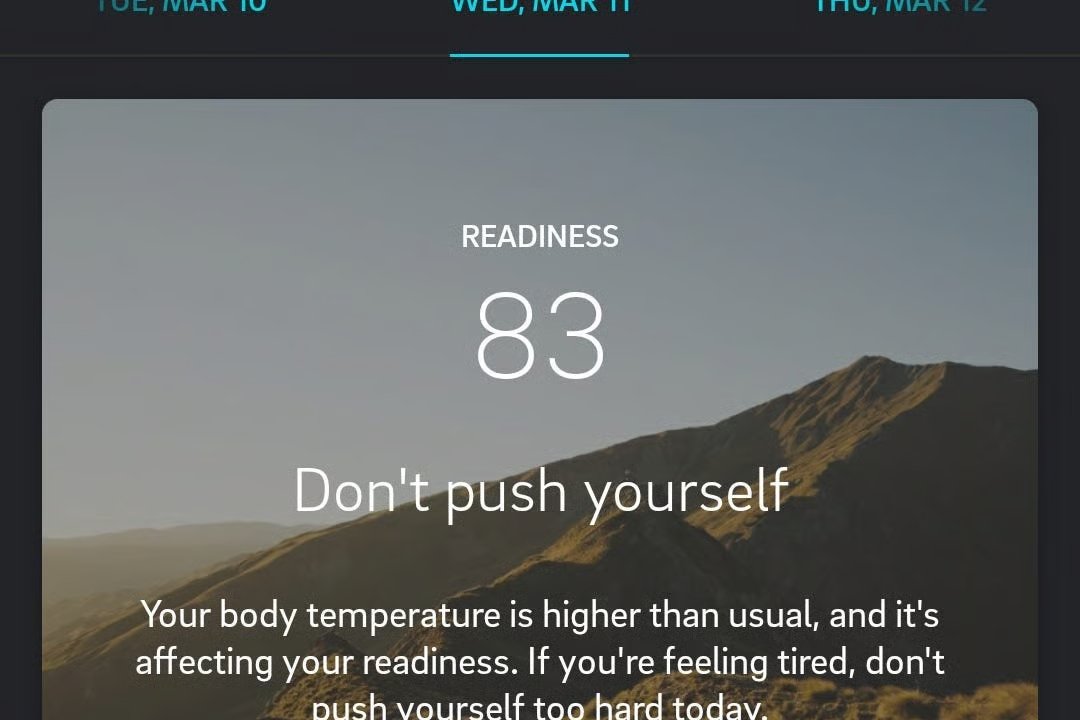
“Every morning, when millions of people wake up, they reach for their phone before they open their eyes—not to check messages, but to check how they slept,” the lawsuit says. “They see a number from 0 to 100, the total sleep score telling them how well they slept.”
The suit says Oura claims to measure time spent in deep, REM and light sleep, along with sleep efficiency, time in bed, restfulness and awake time. But the complaint argues that the ring cannot directly measure sleep cycles because sleep occurs in the brain, not on a finger.
The lawsuit joins a broader debate about wearable devices used to track human health. Research cited in the article has found that these devices can cause stress and anxiety for some wearers who put too much stock in the readings. For others, rings and bracelets encourage good sleep habits.
What the Lawsuit Says Consumers Paid For
Attorneys brought the suit on behalf of Madison Surber, a Californian who bought an Oura ring for $513.68 in 2025 based on the disputed marketing claims, according to the complaint.
Oura told customers its ring could measure different sleep stages with 95% accuracy, said Shireen Clarkson, co-founder of the law firm that filed the suit. She said its estimates are closer to 50% accurate.
“What the ring does is, it sits on your finger, and it measures heart rate and skin temperature and body movement, and the algorithm spits out an estimate based on those signals about what your sleep stages are,” Clarkson said. “People are relying on this information for their health, and I think that’s where the danger lies.”
The lawsuit says Oura acknowledges that its ring cannot replicate a laboratory sleep study, but discloses that limitation only deep within technical materials that come with the product.
According to the complaint, customers bought nearly 3 million rings in 2025, generating more than $1 billion in sales.
The lawsuit seeks to halt what it calls unlawful and fraudulent advertising and marketing of Oura rings and potentially to halt their sale. It also seeks restitution for consumers who allegedly overpaid based on the advertised benefits.
This article is based on allegations in a pending lawsuit. The company disputes the claims.