Before September Rain Arrives, Check Where Your Downspouts Are Sending the Water

The 2026 Atlantic hurricane season has already produced three named storms: Arthur in June, Bertha in July, and Cristobal in August, according to the National Hurricane Center. September is still ahead, which makes late August a good time to check how your backyard handles water before another stretch of heavy rain.
Start with the downspouts. Roof runoff can empty beside the foundation, enter a garden bed, or cross the lawn until it reaches a low point. The puddle may appear several yards from the downspout that supplied the water.

One couple found that exact problem in their backyard. Water from a detached-garage downspout had no route out and collected at the low point of the lawn. Their fix shows why checking where each downspout sends water should come before digging drains or filling wet spots.
Start at Every Downspout
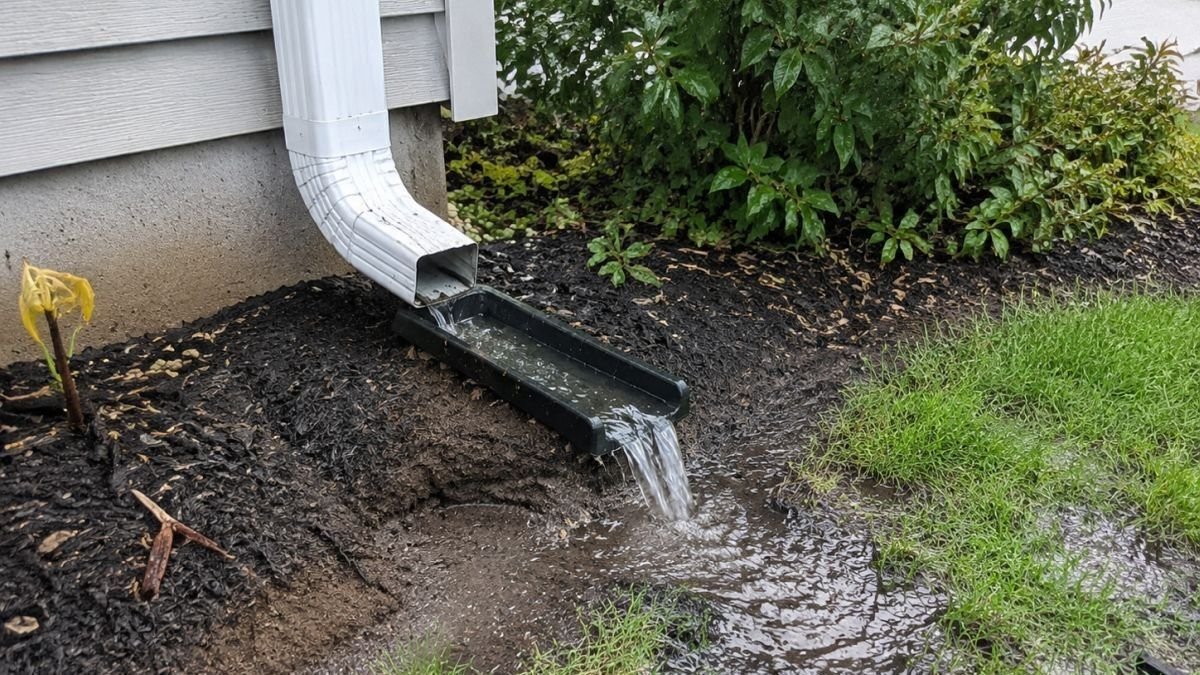
A downspout that ends a few inches from the house leaves roof water to find its own path. Depending on the grade, it may remain near the foundation or move across the yard until it reaches lower ground.
Check where each downspout ends and what sits beyond it. Soil that slopes toward a garden bed, patio, or low section of lawn can direct runoff into an area that already receives rain.
Detached garages and sheds need the same check. Their roofs collect water too, and their downspouts can discharge into parts of the backyard that receive less attention.
Follow the Water During a Rainstorm
Dry-weather inspections show the slope, but rain shows the route. Watch where water exits each downspout and follow it across the property.
Look for channels forming in mulch, water crossing paths, soil washing from beds, and puddles appearing in low sections. Check the same locations after the rain stops to see which areas drain and which remain wet.
Mark problem spots while the evidence is visible. Once the lawn dries, small changes in grade can be hard to identify.
One Couple Traced Their Wet Backyard Back to the Garage
Reddit user u/applestofloranges and his wife had dealt with a drainage problem since buying their home about three years earlier. Their investigation traced the water to the downspout on a detached garage.

The downspout discharged water into the yard without a route to carry it away. Runoff then moved toward a low point and pooled there.
Instead of regrading the whole backyard, the couple chose to redirect the water toward a rain garden.
They Gave the Water a Route Through the Lawn
The project started by connecting the buried garage downspout to a prefabricated French-drain system. A trench created a defined route across the yard instead of leaving runoff to spread across the lawn.

This distinction matters when checking a backyard before fall. Finding standing water tells you where the water ends up. Following the runoff back to a downspout, slope, or other source tells you what may need to change.
Drainage Rock Went Into the Trench
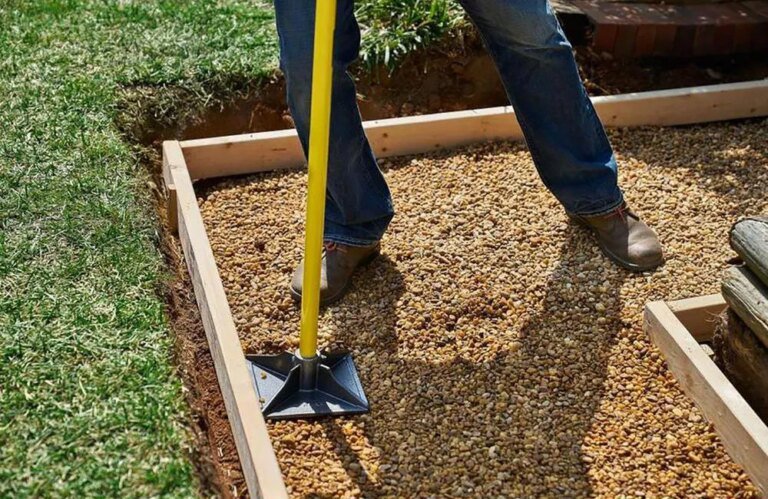
The couple backfilled the trench with drainage rock around the new system before restoring the lawn above it.

A French drain is not the answer for every wet yard. Some properties need a downspout extension, grading correction, catch basin, dry well, or another drainage method. Soil, slope, runoff volume, and local drainage rules affect the choice.
The useful lesson from this project comes before choosing any of them: determine where the water enters the problem area.
Their Rain Garden Became the Destination
Rather than send the collected runoff to another section of lawn, the homeowners directed it into a rain garden.

Rain gardens sit in shallow depressions where runoff can collect and soak into the ground. Plants chosen for the site need to tolerate periods of wet soil as well as the drier conditions between storms.
The finished lawn hides much of the drainage work, but the route underneath changes what happens to water coming from the garage roof.
Clear Existing Drains Before Fall Leaves Arrive
Backyards with catch basins, channel drains, or buried downspout connections need another late-August check. Leaves, mulch, soil, grass clippings, and other debris can restrict openings.
Remove material covering drain grates and inspect visible outlets. Also check gutters and downspouts for blockages that can cause water to spill over the gutter instead of reaching the intended drainage route.
Fall leaves can add more debris within weeks, so clearing existing drainage before leaf drop gives the system a better chance to handle the first stretch of wet weather.
Check Low Spots Before Planting Fall Beds
Low sections of lawn and garden beds deserve attention even when no standing water is present now. Watch them after rain and check the soil once surface water disappears.
A bed that remains saturated while nearby soil drains may not be a good place for new fall plants without changes to the site. Adding compost or new plants does not correct runoff entering from a downspout or surrounding slope.
September rain can expose a drainage problem, but you do not have to wait for a waterlogged lawn to start looking for it. Begin at the roof, check the downspouts, follow the route across the yard, and find where the water ends up.
Image sources : u/ricky_jordann , u/applestofloranges