Japanese startups, IPOs set for boost with unlisted-company platform
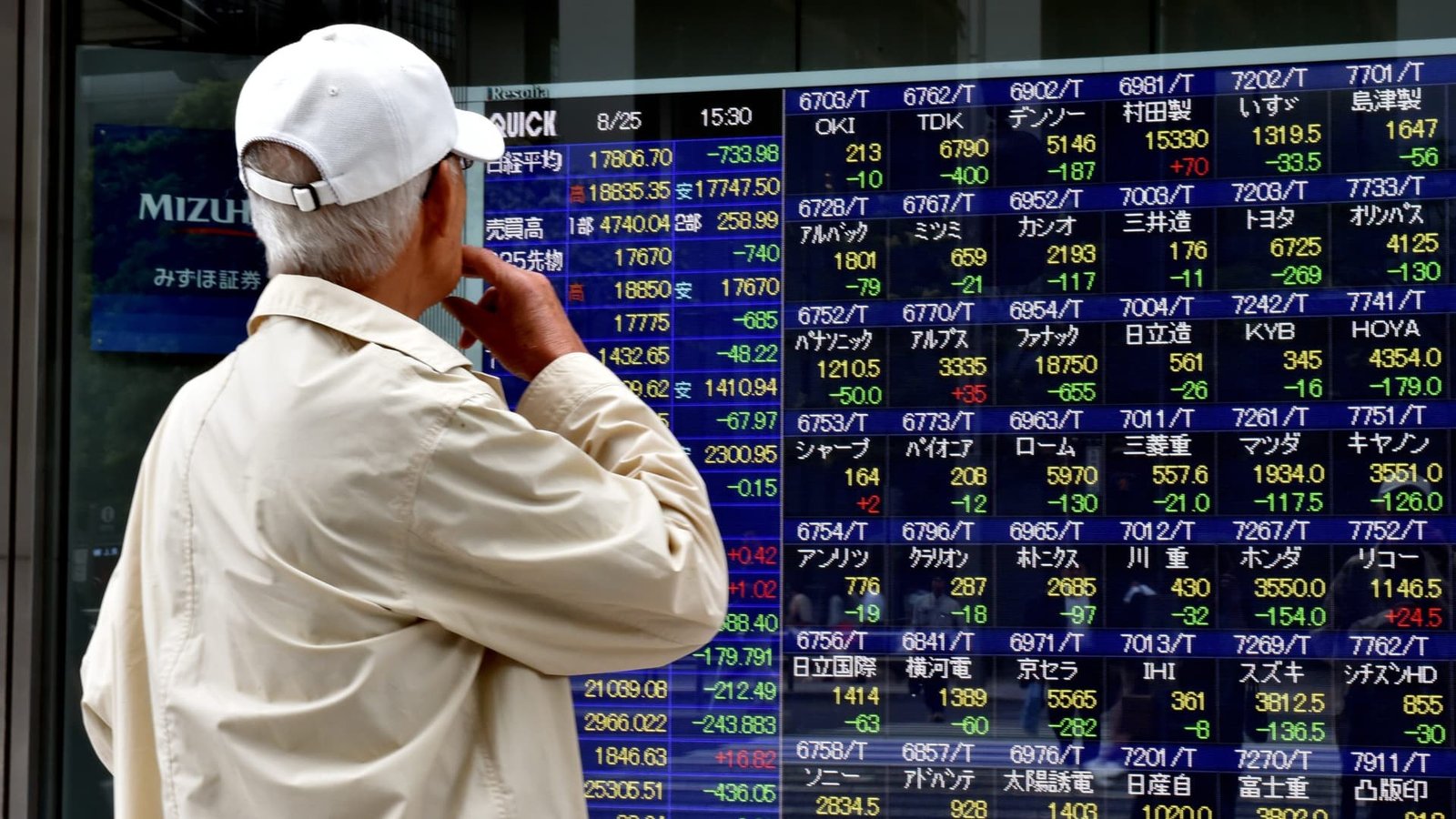
An investor gazes at a share price board showing various stocks on the Tokyo Stock Exchange in Tokyo on August 25, 2015. Japan’s share prices dropped 733.98 points, or nearly 4.0 percent, to close at 17,806.70 at the Tokyo Stock Exchange, erasing a morning rebound as Hong Kong and Shanghai extended losses on worries over China’s stalling growth. AFP PHOTO / Yoshikazu TSUNO (Photo credit should read YOSHIKAZU TSUNO/AFP via Getty Images)
Yoshikazu Tsuno | Afp | Getty Images
Japan’s startup and initial-public offering scenes may get a boost from a new trading platform that will help unlisted companies raise capital.
Investors have had few options to cash out besides IPOs or acquisitions by third parties. But earlier this month, the Financial Services Agency announced that it has registered Smartround Securities as a brokerage for secondary market trading of unlisted shares, as part of efforts to broaden private markets and attract more investment in domestic startups.
Giving investors a more efficient way to buy and sell shares should make it easier for capital to reach growing businesses, said Sylvain Thieullent, chief executive officer of Horizon Trading Solutions.
“Companies come to the public market better prepared, ultimately improving the quality of Japan’s IPO pipeline,” he said.
The platform helps Japan take part in a global shift where regulators are actively reshaping private markets, including the U.S. and the U.K. Jeremy Tan, chief executive officer of Tiger Fund Management, said Smartround aligns with regulators’ aim to improve corporate governance of unlisted companies, while providing investors with more oversight and founders a channel to interact with minority investors.
“The new platform could enhance more transparency and disclosures of unlisted companies given the potential digitalization of ledgers and corporate records that will be made available to investors,” Tan said.
To gain access to the new platform, founders and senior management of the unlisted companies would have to comply with such disclosure requirements, Tan added.
“The challenge everywhere is creating liquidity and better price discovery without pretending private shares have the same transparency as listed stocks,” Thieullent said.