Bill Ackman Just Made His Biggest Portfolio Overhaul in Years, Adding Netflix, Visa, and Mastercard to Pershing Square. What’s the Thesis Behind the Switch?
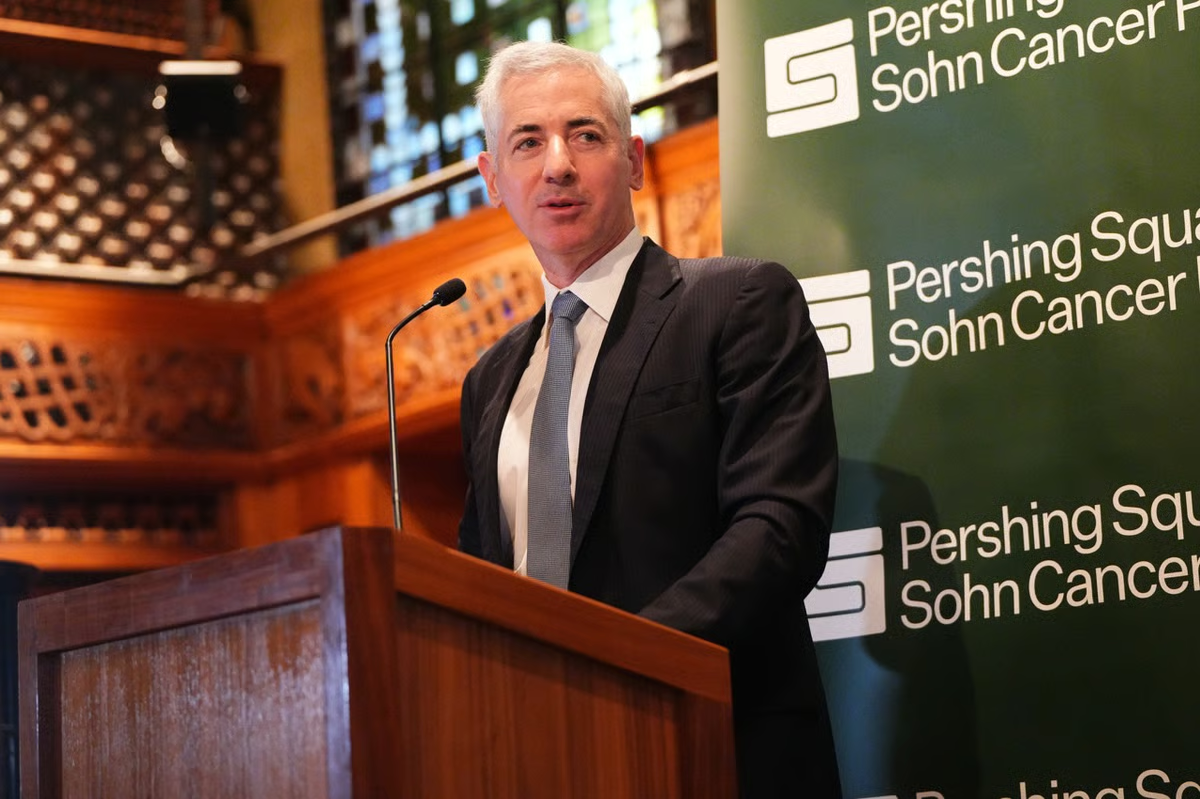
Bill Ackman is the Founder and CEO of the Pershing Square Capital Management hedge fund company. Many investors follow his moves, because he’s pretty good at investing. Per Pershing Square, the fund’s cumulative net gains since its inception in January 2004 are 2,644% as of the end of 2025 — amounting to an average annual gain of around 16%.
That’s pretty good, considering that the overall stock market averaged only about 11% over that same period, and its long-term average annual gain is around 10%. It’s enough to have made Ackman a billionaire, recently worth $8.9 billion, perForbes.
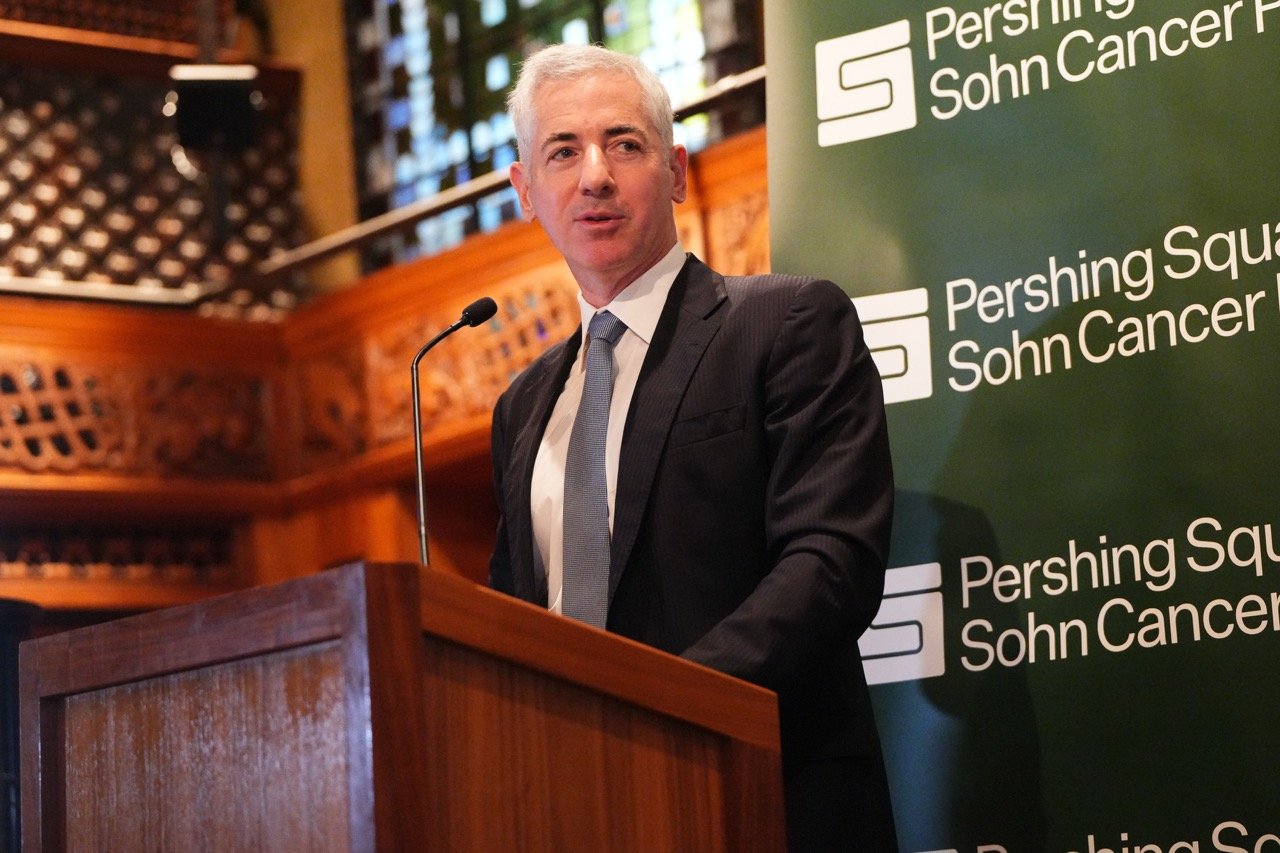
Image source: Getty Images.
Pershing Square’s portfolio
Ackman is also known for having a very concentrated portfolio, with only 14 holdings as of its 13-F filing for the quarter ending June 30. That kind of concentration is rare, and it reflects a lot of confidence in the fund’s holdings.
Here’s how the portfolio looked at the end of that quarter.
|
Stock |
Rank in Portfolio |
Market Value |
|---|---|---|
|
Uber |
1 |
$2.5 billion |
|
Microsoft |
3 |
$2.3 billion |
|
Amazon.com |
4 |
$2.0 billion |
|
Howard Hughes Holdings |
5 |
$2.0 billion |
|
Meta Platforms |
7 |
$1.8 billion |
|
Visa (V -1.10%) |
8 |
$1.1 billion |
|
Mastercard (MA -1.13%) |
9 |
$1.1 billion |
|
Netflix (NFLX -1.99%) |
11 |
$934 million |
Data source: WhaleWisdom.com.
Noteworthy additions to the portfolio
Additions that may be of the most interest to investors include Netflix, Visa, and Mastercard. Why did Pershing buy them? A key factor is likely simply valuation, as Ackman likes to buy stocks at a fair or low price and hold. These companies are also highly dominant, so he’s also betting that great growers will continue to grow and dominate.
Netflix
Netflix shares were recently down about 32% over the past year (as of Aug. 25). Its shares are arguably undervalued, with a recent price-to-earnings (P/E) ratio of 26, well below the five-year average of 36. The company is still growing, but at a slower clip, due to its size and dominance — and it’s facing more competition than ever. International markets are a good growth driver, though.

Today’s Change
(-1.99%) $-1.62
Current Price
$79.84
Key Data Points
Market Cap
Day’s Range
$79.28 – $81.15
52wk Range
$65.08 – $126.71
Volume
27.2M
Avg Vol
42.4M
Gross Margin
49.53%
Visa and Mastercard
Visa’s shares look more fairly valued, with a recent P/E ratio of 33, close to the five-year average of 32. Its stock has averaged annual gains of nearly 22% over the past 15 years, and it’s up 17% over the past year.

Today’s Change
(-1.10%) $-4.24
Current Price
$379.66
Key Data Points
Market Cap
Day’s Range
$378.50 – $381.77
52wk Range
$293.89 – $385.57
Volume
6.6M
Avg Vol
8.1M
Gross Margin
77.16%
Dividend Yield
0.70%
Mastercard’s shares also look fairly to attractively valued, with a recent P/E ratio of 33, a bit below the five-year average of 37. The stock has also averaged annual gains of 22% over the past 15 years, though it’s up only 1.6% over the past year (as of Aug. 25).

Today’s Change
(-1.13%) $-6.74
Current Price
$591.73
Key Data Points
Market Cap
Day’s Range
$588.11 – $594.01
52wk Range
$464.52 – $601.62
Volume
3.2M
Avg Vol
3.5M
Gross Margin
96.60%
Dividend Yield
0.56%
Both are fintech giants, likely to keep growing as more people conduct more financial business electronically. Crypto is a new threat, however, as is the fact that these two companies are so dominant that they may attract additional regulatory oversight.
Selena Maranjian has positions in Amazon, Meta Platforms, Microsoft, Netflix, and Visa. The Motley Fool has positions in and recommends Amazon, Howard Hughes, Mastercard, Meta Platforms, Microsoft, Netflix, and Visa. The Motley Fool recommends Uber Technologies. The Motley Fool has a disclosure policy.