Palantir Billionaire Peter Thiel Just Put 33% of His Portfolio Into These 3 Energy Stocks
Peter Thiel built his reputation by building and investing in companies that looked unfashionable until they became inevitable. Thiel co-founded PayPal in 1998 — helping turn online payments from a futuristic curiosity into everyday e-commerce infrastructure. In 2003, he co-founded Palantir Technologies, the data analytics darling that now sits at the center of intelligence work with the U.S. government and its allies, as well as a growing number of Fortune 500 enterprises. Around the same time, Thiel wrote the first outside check into Facebook (now Meta Platforms). This investment ultimately became one of the defining venture bets of the internet era.
These chapters explain why smart investors monitor Thiel’s moves closely. His investment philosophy is equally contrarian. In his book Zero to One, he argues that competition is for losers and that lasting value comes from building something no one else can truly copy — essentially making your business a monopoly.
Perhaps unsurprisingly, Thiel has downplayed the loud narrative around artificial intelligence (AI). He sees the potential of the technology, but does not think it will lead to the absolute social transformation being promised by frontier labs.
The latest 13F filing from his hedge fund, Thiel Macro, puts this skepticism into quantifiable practice. After two consecutive quarters of holding nothing, the fund rebuilt a $419 million book during the second quarter. While Amazon is the largest position, roughly 33% of the portfolio now sits in three companies in the energy sector: Vista Energy (VIST -1.42%), Vistra (VST -1.30%), and X-Energy (XE -3.25%).
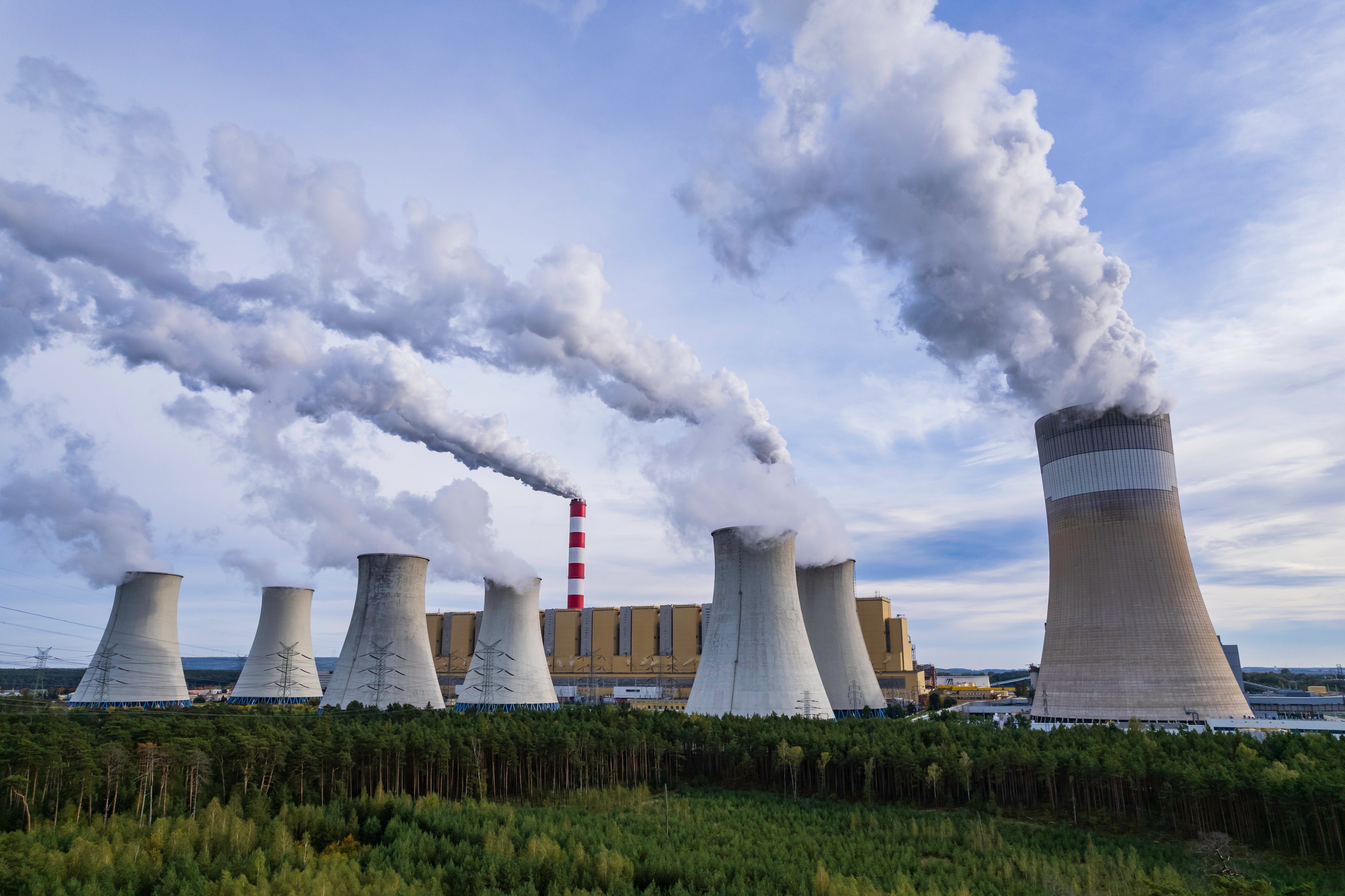
Image source: Getty Images.
Don’t be fooled: Vista isn’t an AI play
While energy consumption has become a popular discussion topic around AI infrastructure, I do not think data centers have anything to do with Thiel’s position in Vista Energy. Instead, I see the position as more personal. Thiel Macro disclosed 1.2 million American depositary shares of Vista, worth $76 million at the end of the second quarter. This position makes up 18% of the hedge fund’s disclosed book and roughly 1% of the company.
Vista is Argentina’s leading independent energy producer in Vaca Muerta, a shale formation in Neuquén that holds the world’s second-largest shale gas and fourth-largest shale oil resources. The company produces nearly 160,000 barrels of oil equivalent per day.
All told, Vista is really an oil and gas story rather than an AI play. In my eyes, Thiel’s ties to the company are rooted more in geography and politics. While Thiel primarily resides in California, the billionaire purchased a mansion in Buenos Aires’ Palermo Chico neighborhood earlier this year.
This isn’t entirely surprising, as Thiel has met Argentina’s President, Javier Milei, at the Casa Rosada and has previously spoken favorably of Milei’s policies around spending, deregulation, and inflation. To me, Thiel’s bet on Vista looks more like a wager that Milei’s reforms will unlock the potential of a large, still-developing hydrocarbon basin.
Vistra: The AI link is more clear
During the second quarter, Thiel Macro built a $59 million position in Vistra — representing about 14% of the fund. Of note, Thiel has owned Vistra stock in the past.
AI hyperscalers need carbon-free baseload power that does not wait for ideal weather conditions. Even a few hours of intermittent downtime wastes the capabilities of GPUs training AI models and running inference deployments. Nuclear brings this 24/7 optionality to the table. Vistra is a key enabler of AI workloads because the company operates nuclear plants in the Pennsylvania-New Jersey-Maryland (PJM) region.
It’s important to highlight that Vistra has already locked in 20-year power purchase agreements with Amazon Web Services (AWS) for 1,200 megawatts from Comanche Peak and with Meta for more than 2,600 megawatts from its Ohio and Pennsylvania sites. Interestingly, Vistra also joined Nvidia, KKR, and the Kuwait Investment Authority in the Helix venture, a $10 billion partnership that aims to deliver nuclear power and data center infrastructure as a comprehensive package.
Given Thiel’s prior history with Vistra and the company’s relationships with a number of hyperscalers, I think this position represents his most obvious — albeit still quite small — positioning on the AI trade.

Today’s Change
(-1.30%) $-1.82
Current Price
$137.99
Key Data Points
Market Cap
Day’s Range
$137.91 – $141.10
52wk Range
$132.66 – $219.82
Volume
1.1M
Avg Vol
4.4M
Gross Margin
20.18%
Dividend Yield
0.65%
X-Energy: The newcomer at the intersection of nuclear and AI
X-Energy develops gas-cooled small modular reactors (SMRs). Prior to its IPO earlier this year, Amazon was a major backer and customer. While Thiel’s post-IPO purchase is a discretionary expression of the same nuclear power-AI theme, smart investors must remember this is an extremely modest position for a billionaire.
In fact, X-Energy is the smallest line item in the entire Thiel Macro portfolio, comprising about 1% of the fund. Given its nominal scale relative to his other investments, I think this speaks volumes about Thiel’s assessment of the AI narrative.
Taken together, these three energy stocks illustrate how Thiel is treating electricity — not chips — as the bottleneck around AI development. All told, Thiel’s hedge fund is quite concentrated, and his positions and their relative sizes are consistent with a person who always prefers to own the enablers of mass adoption trends rather than the consensus trade.