Alabama Shakes’ Return: What The “I Must Be Dreaming” Rollout Gets Right

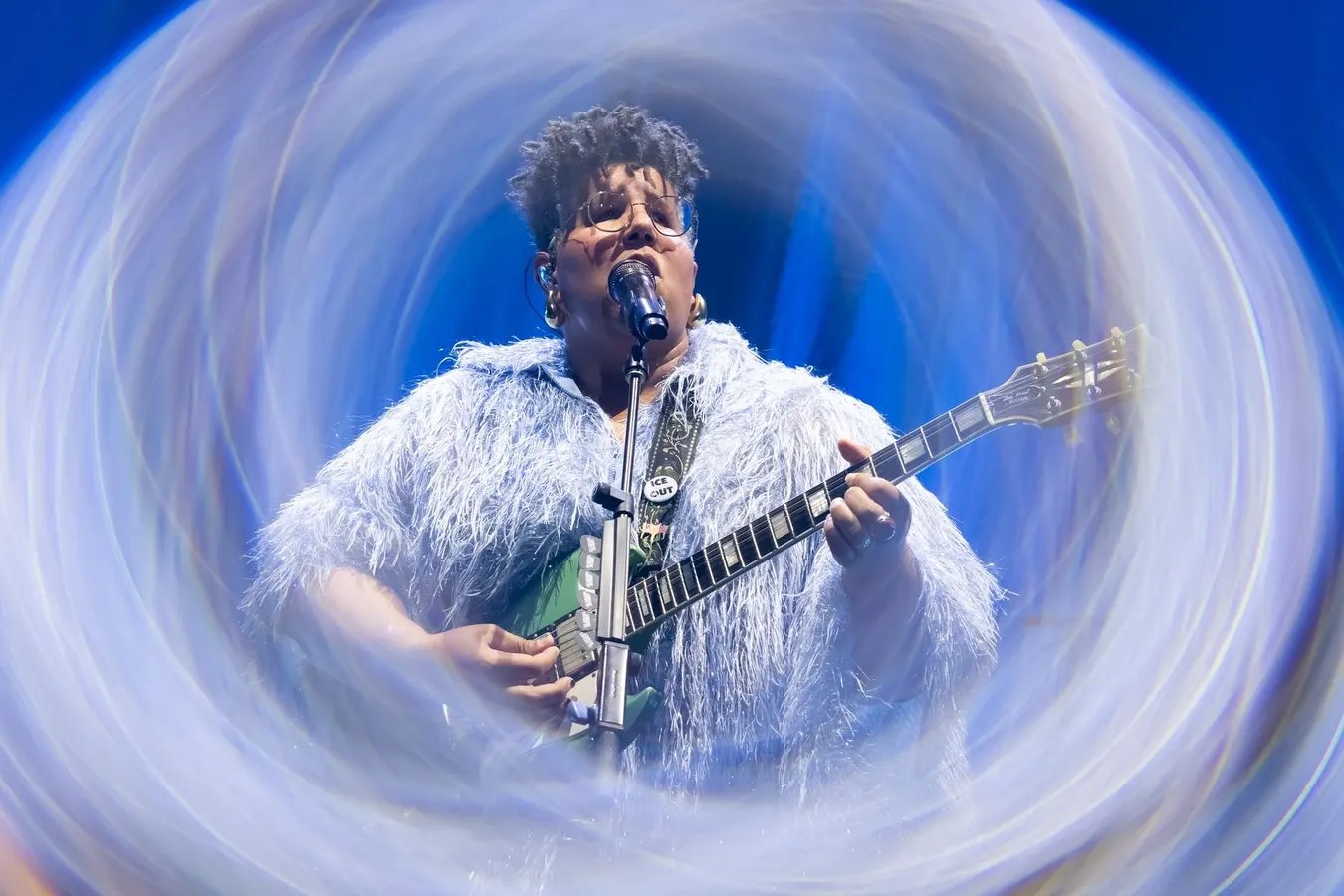
MADRID, SPAIN – JULY 11: (EDITOR’S NOTE: A special effects camera filter was used for this image.) Brittany Howard of Alabama Shakes performs in concert during Noches del Botanico music festival at Real Jardin Botanico Alfonso XIII on July 11, 2026 in Madrid, Spain. (Photo by Aldara Zarraoa/WireImage)
WireImage
Eleven years is a long time to stay away and still be remembered. Alabama Shakes last released an album in 2015, when Sound & Color debuted at number one on the Billboard 200 and picked up multiple Grammy wins. On August 28, the trio of Brittany Howard, Heath Fogg and Zac Cockrell returned with I Must Be Dreaming, its first full length in more than a decade. The rollout that led up to it offers a useful case study in how to reintroduce a dormant but beloved act without leaning on nostalgia alone.
What The Band Has Done Well
The pacing was patient, and that patience appears deliberate. Rather than announcing a reunion and rushing an album behind it, Alabama Shakes let the return unfold in stages over roughly two years. A surprise live performance in Tuscaloosa in December 2024 planted the first seed. In January 2025, the band posted studio photos with producer Shawn Everett, confirming new music was in progress without naming a release date. A full tour followed later that year, the band’s first in eight years, giving fans a reason to show up before there was a record to sell. Only then did the singles begin: “Another Life” in August 2025, “American Dream” in April 2026, and “I Feel Hope Coming” in July 2026, each one arriving months apart rather than in a tight promotional cluster. That spacing kept the story alive across multiple news cycles instead of burning it in one announcement week.
The singles themselves function as a narrative arc rather than a random sampling of the album. Howard has described the album title’s double meaning, the sense that the world feels both frightening and beautiful at once, and the three lead singles trace that tension: a protest-minded track in “American Dream,” a collaborative, hopeful counterpart in “I Feel Hope Coming.” That thematic thread gives journalists an angle beyond “band gets back together,” which matters for securing coverage that goes deeper than a news brief.
Earned media has been a real strength here. “I Feel Hope Coming” premiered with Zane Lowe on BBC Radio 1, a placement that signals continued credibility with tastemaker gatekeepers. Garden & Gun ran a substantial profile built around Howard’s own reflections on why she stepped away and what brought the band back. Howard’s appearance at the Academy Awards earlier this year, performing as part of a tribute to the music of Sinners alongside artists including Shaboozey and Christone “Kingfish” Ingram, extended her visibility into a moment with no direct tie to the album but with real cultural reach. None of this reads as manufactured. It reads as a band whose return was validated by people other than its own publicity team, which is the point of good press strategy.
The band’s social presence, while not flashy, has stayed consistent across Instagram, TikTok, Facebook and its website, anchored by a pre-save link for the album and steady single rollout content. It is not the most aggressive social calendar in music marketing right now, but it has been reliable, and for an act built on musicianship and a long absence, reliability signals stability rather than a rushed cash grab.
Touring ahead of the album has also done real work. By the time I Must Be Dreaming arrives, the band will have already played headline shows, European festivals including NOS Alive and BBK Live, and dates opening for Zach Bryan, a booking that puts the band in front of a large country and Americana audience that may not have followed them closely in 2015. Reviews have started to land well too, with outlets like The Blues Magazine and Rock and Blues Muse framing the album as forward-looking rather than a retread, which is exactly the framing a comeback album needs to avoid being dismissed as a nostalgia play.
Where The Rollout Could Go Further
The behind-the-scenes content could be deeper. The studio photos from Sound Emporium and Blackbird Studio were a smart early tease, but there has not been much serialized short-form video showing the making of the record itself. Given how much goodwill exists around this reunion, longer-form or episodic content documenting the sessions with Shawn Everett could turn casual anticipation into sustained engagement on TikTok and YouTube, platforms where music documentary style content tends to outperform standard promo clips.
The Zach Bryan support slot is a real opportunity that could be pushed harder. Cross-genre audience exposure like that is valuable, but it works best when paired with content built specifically for that new audience, rather than assuming they will discover the catalog on their own.
There is also room to lean further into Howard’s expanded cultural footprint. The Oscars tribute performance was a meaningful moment, but it lived somewhat separately from the album campaign. Tying moments like that more directly back to the I Must Be Dreaming rollout, through interviews or content that connects her solo work, her television and film-adjacent appearances, and the band’s return, would help unify her personal brand equity with the band’s relaunch rather than treating them as parallel storylines.
Finally, regional press ahead of specific tour stops has been light relative to the scale of the tour itself. With dates spanning Red Rocks, Ravinia, and international festivals, market-specific press hits timed to those shows could extend the album’s news cycle well past its release date and keep local coverage feeding the broader campaign through the fall.