Alberta’s deal with Ottawa could close curtain on private-sector investment in the province’s oil
Alberta’s deal with Ottawa could close curtain on private-sector investment in the province’s oil
cheryl
Thu, 09/03/2026 – 09:09
EST. READ TIME 3 MIN.
With Trump’s trade war raging, you can be forgiven if major developments in other areas of policy have faded from memory. But in the last 10 months or so, we’ve seen many interesting developments in the saga of Alberta’s oilsands.
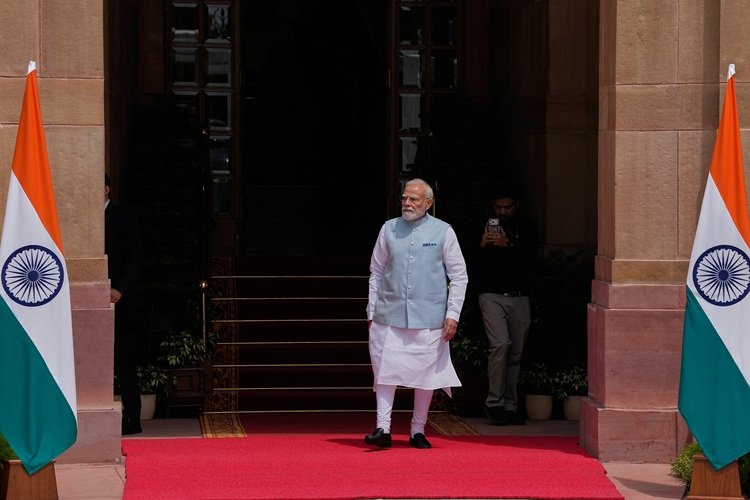
Long stymied by federal government and interest-group obstructionism, Alberta’s dream of exporting oil (bitumen) derived from the Athabasca oilsands to lucrative non-U.S. markets abroad took a major step forward in November 2025 when Prime Minister Carney sat down with Premier Smith to craft a grand bargain, which includes a potential pipeline to carry oil to Canada’s west coast for sale to markets in Asia.
With Alberta’s agreement to “capture” and store the greenhouse gas emissions from the production of new oil that would fill the pipeline, the deal would also cement the federal government’s goal of “carbon-neutrality” into the policy firmament of Alberta and its oil industry. Some people, including Tim Hodgson, Carney’s minister of Energy and Natural Resources, extol the new deal. Others are less enamoured, finding the overall costs borne by Alberta onerously steep.
But few have focused on what seems to be an obvious implication of the Alberta/Ottawa pipeline deal.
Think about this for a moment. Even the massive profit potential of getting to sell Alberta’s oil to new Asian markets was not enough to convince private-sector actors, with private-sector capital, to invest in a pipeline even with the federal government’s vague promises of granting permission. Premier Smith said the new pipeline would “create tens of thousands of jobs” and “generate tens of billions in new provincial and federal revenues.” Yet private-sector investors largely took a pass. That’s amazing when you think about it. But it’s been a long time coming.
Alberta’s investment problem both precedes and extends far beyond one pipeline. From 2014 to 2024, investment in oil and gas extraction in Alberta declined by nearly 61 per cent. And a recent survey of senior oil and gas executives, filled in the “why.” Half (yes, 50 per cent) of survey respondents said “stability, consistency and timeliness of environmental regulatory processes” scare away investment in Alberta compared to only 14 per cent in Wyoming and 11 per cent in Texas (two oil-producing competitor states). Similarly, 43 per cent of respondents said the cost of regulatory compliance deters investment in Alberta compared to 9 per cent for Wyoming and 19 per cent for Texas.
Not only does the new pipeline deal fail to change that private-investment dynamic, it likely cements it in stone. Beyond the deal, the federal government has implemented no serious systemic regulatory relief so it’s clear that any future efforts to similarly expand oil production, transport and sale will increasingly rely on government backing.
To reverse the precedent set by the deal, Canada needs a real sustained campaign of regulatory reform to rebuild investor confidence in our fossil-fuel energy sector. That the new Alberta pipeline project failed to get any significant private-sector interest suggests that one-off pipeline deals, regulatory carve-outs—and renaming, rebranding and concealing onerous regulatory barriers to private-sector investment—of the sort favoured by Prime Minister Carney will not be sufficient.

By: