Still Sending Checks in the Mail? It’s Time to Stop
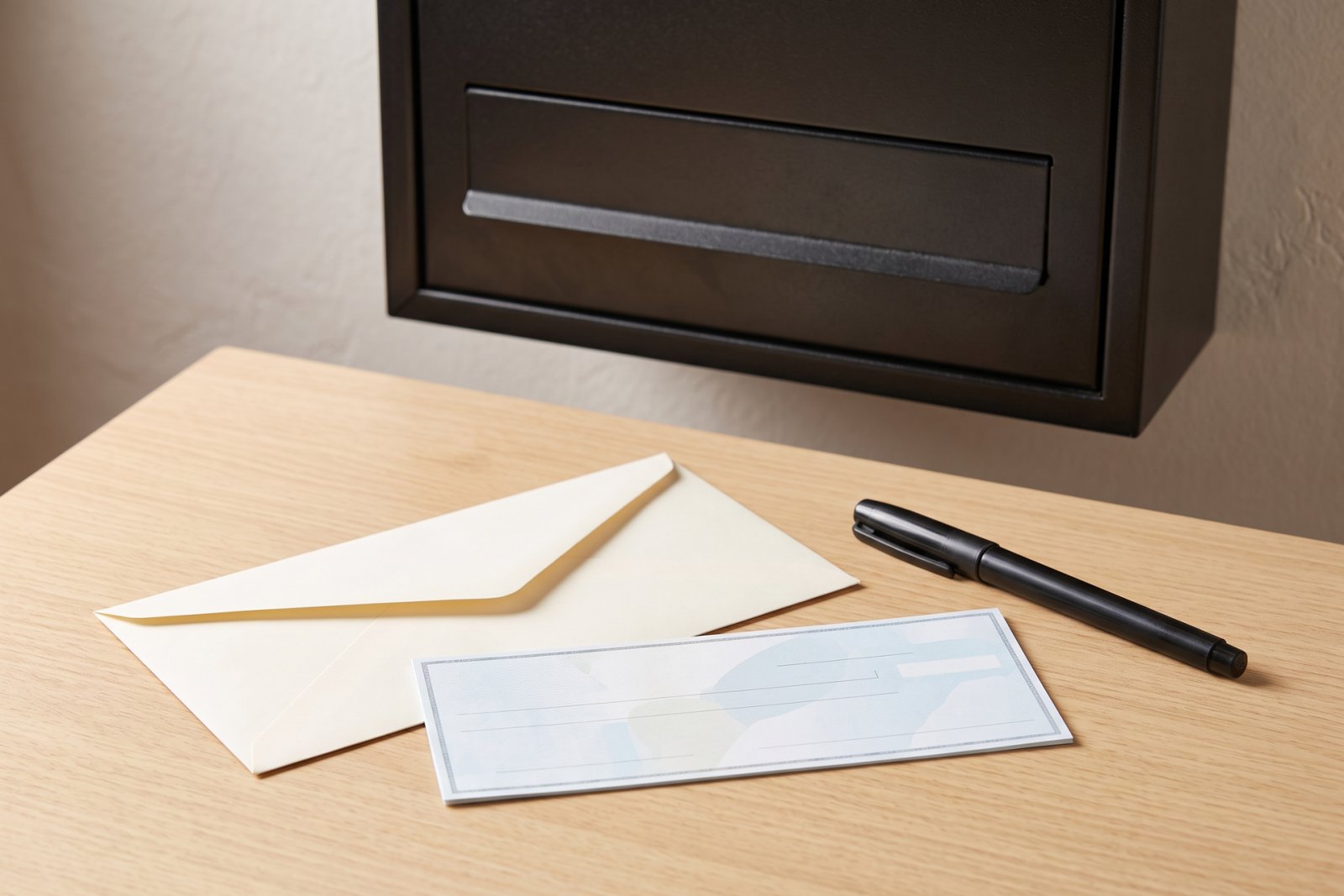
Every time you send a paper check in the mail, consumer advocates say, you’re putting your bank account at risk.
Check fraud is rising, even as the number of checks in circulation is declining. In 2025, federal data shows, Americans lost more money to check fraud than to debit card or gift card scams.
Consumers are writing fewer checks these days, but the amounts are larger, and thieves know it.
“Criminals know that when they see a check in the mail, it’s less likely to be a $10 check and more likely to be a $10,000 check,” said Scott Anchin, senior vice president of strategic initiatives and policy at the Independent Community Bankers of America.
Paper checks used to be everywhere. By 2024, however, they represented just 3% of all payments in the United States, according to the Federal Reserve.
Consumers used to write checks to pay bills, buy groceries and re-up at the gym. Today, people often write checks for larger one-time transactions, such as paying a contractor or a tax bill.
Larger Checks Mean Higher Stakes for Fraud
Larger checks mean higher stakes for thieves. Check fraud has been around for ages, but modern tech gives fraudsters new and more powerful tools.
“Twenty years ago, 30 years ago, we were talking about solo operators,” Anchin said. “Now, you have real organized criminal gangs who engage in check fraud. They steal checks en masse. And then they have an incredible amount of technology they can use to alter the check or to create new checks out of whole cloth.”
While electronic payments have grown increasingly sophisticated in recent years, the paper check hasn’t really evolved.
“The check is still fundamentally the same,” said Joe Bernardo, head of fraud and claims at Wells Fargo. “And fraudsters are always looking for weak points in the process to exploit.”
Thieves pull checks from residential mailboxes and fish them out of USPS drop boxes. Larger operations steal entire bags of mail.
Once the criminals have your check, they can “wash” your name off with acetone, bleach or rubbing alcohol, said Adam Rust, director of financial services at the Consumer Federation of America.
The thief can change the amount and the payee and deposit the check themselves. Or, they can leave it blank and sell it on the dark web.
The information on your check alone puts your finances at risk.
“Your account number and routing number appear on the check,” Rust said. “It’s very personal. It’s very sensitive.”
Chuck Bell, programs director for advocacy at Consumer Reports, became a victim of check fraud in 2021. Thieves found his heating bill in a collection box, doctored the check and cashed it for $25,000. He recovered the money a few weeks later.
Safer Ways to Pay
The obvious solution, Bell said, is for consumers to stop writing checks. In 2025, President Donald Trump issued an executive order to phase out paper checks to and from the federal government.
But not everyone is happy about the alternatives.
Some Americans “have never become comfortable with making payments on the phone or on the computer,” Bell said. “If you want to move the whole country to digital payments, it’s not as simple as it looks.”
The safest way to pay someone, consumer advocates say, is online, with a credit or debit card or electronic check. Most businesses, government agencies and medical practices have secure portals for online payments.
Your bank’s automatic bill-pay app is another relatively secure option. The bank sometimes resorts to a paper check, Anchin said, but it’s much safer than sending your own check in the mail.
Payment apps present security risks of their own.
The banking industry is partial to Zelle, a money-transfer service that lets you send cash directly through your bank account. Because the service is embedded in your banking app, industry leaders reason, it’s relatively secure.
In an extensive 2023 analysis, Consumer Reports compared Venmo, Zelle, Cash App and Apple Cash on safety, privacy and transparency. Cash App and Apple rated high for safety. Apple got the highest marks for privacy.
On the whole, Anchin said, “I think an electronic payment is always safer than a check payment.”
How to Keep Checks Safe
And if you must send a check? Here are some tips for keeping it safe.
Ask Your Bank for Secure Checks
Not all checks are created equal, Consumer Reports advises.
Look for checks with security features that thwart thieves, including watermarks, holograms and chemically sensitive paper or ink.
Write the Check With Permanent Ink
It’s much harder to “wash” a check made out in permanent ink, the American Bankers Association advises.
An online search for “permanent,” “indelible” or “fraud prevention” pens will get you to the right product. Avoid ballpoints.
“It’s really trivial to wash ballpoint ink off a check,” Anchin said.
Don’t Leave Blank Space
When you write a check, don’t leave space for a fraudster to add zeroes or a second name. Fill in the spaces yourself.
Mail the Check as Securely as You Can
Leaving a check in your mailbox overnight is a bad idea, consumer advocates say. You’re better off finding a USPS mailbox or, better still, taking the letter to the post office.
“The more touch points there are along the way, the more bad things can happen,” Bernardo said.
Track the Check Through the System
Review your bank account to verify your check has been deposited. Examine the check image to ensure the payee hasn’t changed. Contact the recipient to make sure they actually cashed it.
Report Suspected Fraud Immediately
You should contact both your bank and the police about potential fraud, the ABA recommends.
Banks often require that customers report fraud within 30 days, Rust said.
“The bank is liable for checks that have been forged,” he said. “But they can argue that you were negligent if they sent the statement to you and you didn’t respond in time.”
That may not sound fair, but it means you may not get your money back if you wait too long to make a claim.
This article originally appeared on USA TODAY: Still sending checks in the mail? It’s time to stop.
Reporting by Daniel de Visé, USA TODAY / USA TODAY
USA TODAY Network via Reuters Connect