Eco-Tourism: Protecting Nature While Traveling
In April 2026, eco-tourism has moved beyond “leaving no trace.” The industry is shifting toward Regenerative Travel, where the goal is to leave a destination better than you found it. As climate impacts become more visible, travelers are increasingly seeking “intentional journeys” that prioritize biodiversity, local equity, and carbon accountability.
🌿 1. Identifying Genuine Eco-Tourism vs. “Greenwashing”
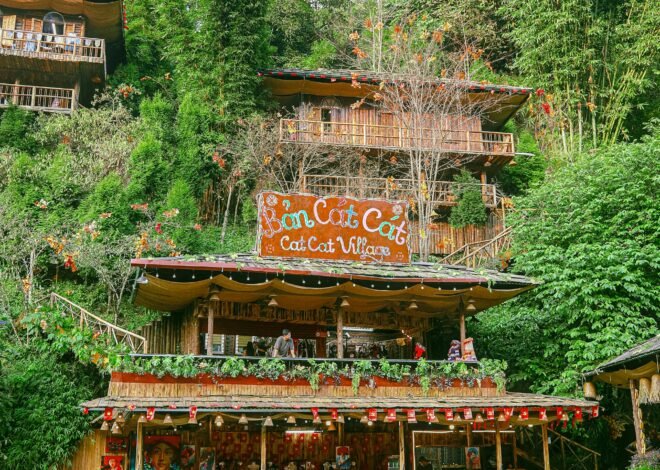
In 2026, many operators use “eco-vibe” aesthetics (bamboo furniture, earth tones) to hide unsustainable practices. Use this checklist to spot the real deal:
- Third-Party Validation: Look for certifications like EarthCheck, Green Globe, or the GSTC (Global Sustainable Tourism Council). These require rigorous audits rather than self-reporting.
- Operational Transparency: A genuine eco-lodge won’t just ask you to “reuse your towels.” They will openly share data on their solar micro-grids, closed-loop water systems, and 100% on-site waste processing.
- The “Local Link”: Ask what percentage of the staff is from the immediate community and whether the food is sourced from local farmers. Authentic eco-tourism is as much about people as it is about plants.
🏛️ 2. Top Sustainable Destinations for 2026
These locations are currently leading the world in ethical tourism management:
- Bhutan: The world’s first carbon-negative country. Its Sustainable Development Fee (SDF) ensures that visitor numbers are kept low, while funds go directly to national conservation and healthcare.
- Costa Rica: A pioneer in “rewilding” and wildlife tracking. It is one of the few places where high-end tourism and strict environmental law successfully coexist.
- Oulu, Finland: The 2026 European Capital of Culture, focusing on “Arctic Sustainability” and seasonal travel that doesn’t overwhelm the local ecosystem.
- Palau: The first nation to change its immigration laws for the sake of environmental protection. Visitors must sign the “Palau Pledge” in their passports, promising the children of Palau to act ecologically responsible.
📊 The 2026 “Green Traveler” Action Plan
| Strategy | Actionable Step | Environmental Impact |
| “Coolcations” | Visit temperate northern climates (e.g., Iceland, Norway) during summer. | Reduces pressure on heat-stressed southern ecosystems. |
| Second-City Travel | Visit Montreal or El Chaltén instead of over-touristed hubs. | Combats over-tourism and distributes economic benefits. |
| Low-Carbon Transit | Use high-speed rail or “car-free” lottery incentives (like the UTMB model). | Reduces travel-related $CO_2$ emissions by up to 75%. |
| Slow Travel | Stay in one region for 10+ days instead of “city-hopping.” | Lower transport footprint and deeper cultural immersion. |
📉 3. The Carbon Offset Reality Check
By 2026, the mantra is “Reduce First, Offset Last.” * The “Offset to Forget” Trap: Avoid projects that simply claim to “plant trees.” Instead, look for Direct Air Capture (DAC) or “Additionality” projects where your contribution is the only reason the conservation project exists.
- Linguistic Shift: Leading 2026 organizations are moving away from “carbon neutral” claims toward “Climate Contribution”—admitting that all travel has an impact and investing in long-term climate transition rather than just “erasing” a flight.
💡 4. Ethical Wildlife and Cultural Respect
- The “Hands-Off” Rule: In 2026, any attraction that allows physical contact with wild animals (elephant rides, tiger selfies) is a major red flag. Support “Sanctuary-First” models where animals are observed from a distance in their natural habitats.
- Digital Detox & Nature: There is a surge in “Grass-Touching” tourism—destinations that encourage guests to disconnect from devices and participate in rewilding or litter clean-ups (like Copenhagen’s CopenPay).