How Sec. 530A “Trump Accounts” Impact Intergenerational Giving Decisions
We often tend to think of giving from one generation to the next in terms of inheritance, with a parent passing on their assets after death. However, some parents (who are confident that they have more than enough funds to last their own lifetime) want to be more proactive in giving to the next generation. Which in some cases is because of a desire to witness their children enjoying the gifts they’ve been given, but is more commonly done in order to set the child up for future security, happiness, and fulfillment – e.g., by funding their college education or gifting funds for a down payment on a home.
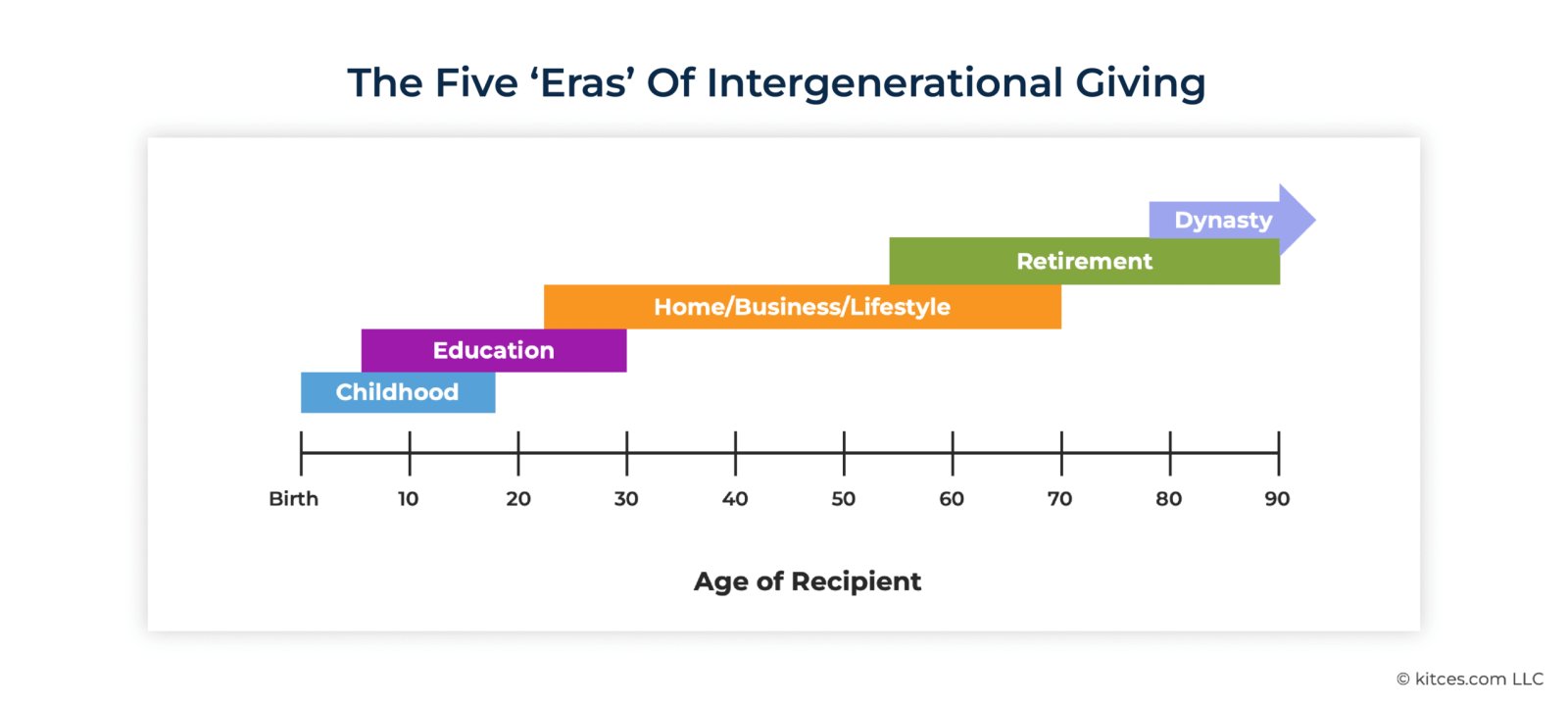
In practice, this type of intentional giving tends to fall into one or more ‘eras’ according to when the funds are intended to be spent by the child. Many parents focus on higher education savings or supporting their children’s lifestyle expenses during young adulthood. A smaller number of higher-net-worth families are focused on dynasty creation, i.e., setting aside funds to be used by multiple future generations. And nearly all parents do some amount of small-dollar giving to their young children, from allowances to birthday gifts to visits from the Tooth Fairy.
However, few parents tend to focus on saving for their children’s retirement – often because the parents themselves won’t necessarily be around by the time their children reach retirement age. This is notable given the recent launch of Sec. 530A “Trump Accounts” (TAs), which are explicitly designed for retirement savings on behalf of young children (given their rules that closely mirror those of IRAs, other than the ability to contribute regardless of whether the child has any earned income). Government promotional efforts have emphasized how much can be accumulated in TAs over decades of saving and compounding, and planners have noted the option for Roth conversions after the child’s age 18, allowing for many decades of tax-free growth – raising the question of whether parents should think about saving for their children’s retirement, in order to take advantage of the tax benefits of TAs.
However, the reality is that despite the potential for significant asset accumulation by the child’s eventual retirement age, TAs remain just one of a variety of account types available for intergenerational giving. And because each account type has its own set of tax characteristics and incentives for specific types of savings, the ‘best’ account for giving depends more on what type of giving best aligns with the parent’s philosophy of how to invest in their child’s future happiness and wellbeing, rather than which one will result in the highest after-tax dollar figure.
For example, some parents may be convinced that a college and/or postgraduate education is the best way to set their children up for a career that will be financially rewarding and personally fulfilling (at which point they’ll be able to adequately fund their own retirement savings) – suggesting that a 529 plan and its tax-free withdrawals for higher educational expenses may be the most tax-efficient way to fund that goal. But other parents might see more value in ‘pre-funding’ their children’s retirement, which gives them the ability to take risks and/or pursue more personally fulfilling (though perhaps less lucrative) careers without having to worry as much about financial security – in which case TAs might really be the ‘best’ option available.
The key point is that there really is no single ‘best’ account for intergenerational giving, as different accounts – from 529 plans and TAs to UTMA/UGMA taxable custodial accounts to child-owned Roth IRAs to irrevocable trusts – are each tax-advantaged for certain goals, but may be tax-disadvantaged for others. And so the decision to use one (or more) account type is ultimately more about what the parent hopes the child will eventually do with it, rather than which one could (theoretically) accumulate the highest balance in the end!
 |
And if you want to go deeper on this topic, hear directly from the author on the Financial Advisor Technician podcast . |